Asteroids may have brought water to Earth billions of years ago, says study


Ryugu asteroid
Findings of a Japanese space mission suggest that water may have been brought to Earth by asteroids from the outer edges of the solar system. An analysisof rare samples brought back to Earth in 2020 from the asteroid Ryugu led to the latest revelation.
Notably, to learn more about the origin of life and formation of the universe, Japanese space probe Hayabusa-2 had landed on the asteroid and fired an "impactor" into its surface, leading to the gathering of 5.4 grams (0.2 ounces) of rocks and dust.
Also Read |Astronomers discover amino acids in asteroid samples during Hayabusa2 probe

In a new paper published in the journal Nature Astronomy, scientists said the Ryugu samples could help understand how oceans appeared on Earth billions of years ago. An earlier study published in June said scientists had found organic material which showed that some of the building blocks of life on Earth, amino acids, may have been formed in space.
"Volatile and organic-rich C-type asteroids may have been one of the main sources of Earth's water. The delivery of volatiles (that is, organics and water) to the Earth is still a subject of notable debate," said the study published Monday.
But the organic materials found "in Ryugu particles, identified in this study, probably represent one important source of volatiles".
)
US Secretary of state Marco Rubio to visit India on 19th October
)
Trump signs Greenland security deal with Denmark, paving way for two new US military bases
)
IND vs JPN T20I: How an overturned wide became point of difference between India's win and a tie
)
Cyclone Arnab: Landfall expected before midnight tomorrow as IMD issues orange alerts across six states
)
TMC revives impeachment push against CEC Gyanesh Kumar after report of internal dissent
)
ICC plans T20I expansion and fewer ODIs in 2027–2031 FTP cycle: Report
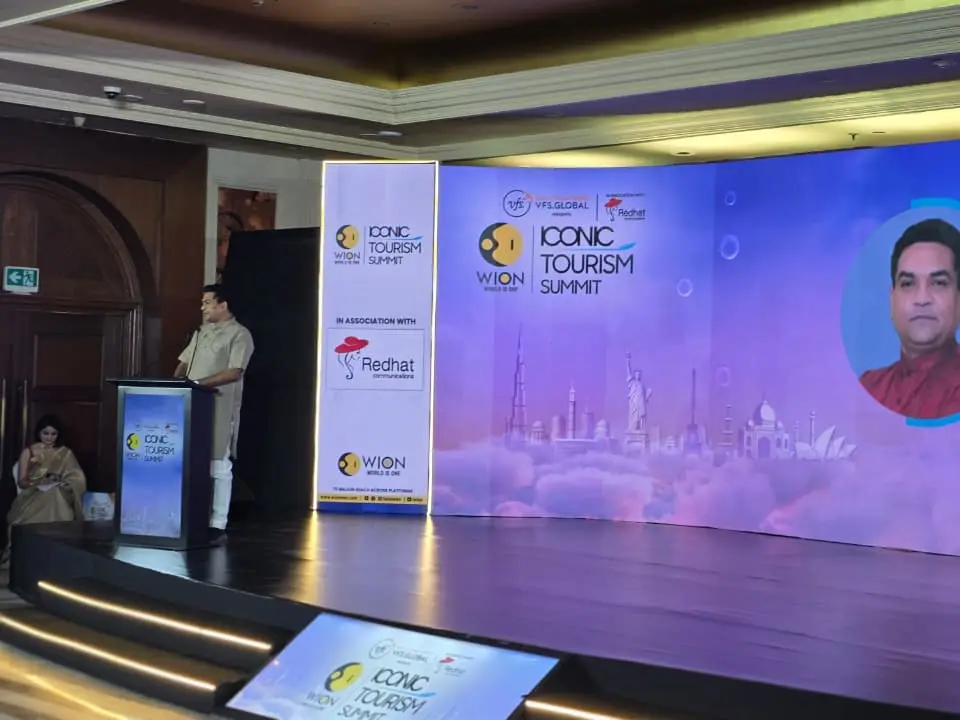)
WION Iconic Tourism Summit: Minister Kapil Mishra shares Delhi tourism future, invites industry to be partners
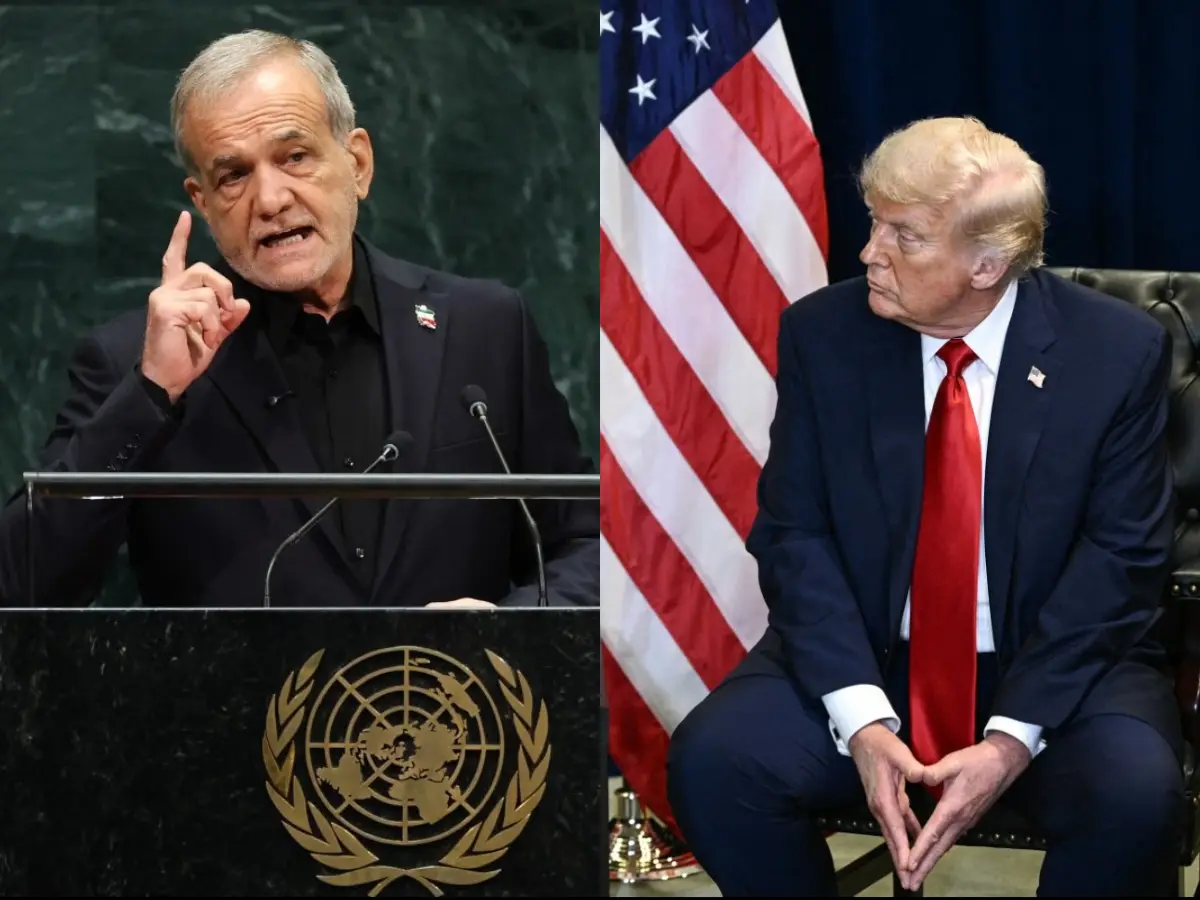)
‘Iran will never bend at the knee’: Pezeshkian hits back at Trump at UNGA
)
WION Iconic Tourism Summit: South African envoy pushes for direct air connectivity with India
)
WION Iconic Tourism Summit: Seychelles envoy says India partnership is important for Seychelles
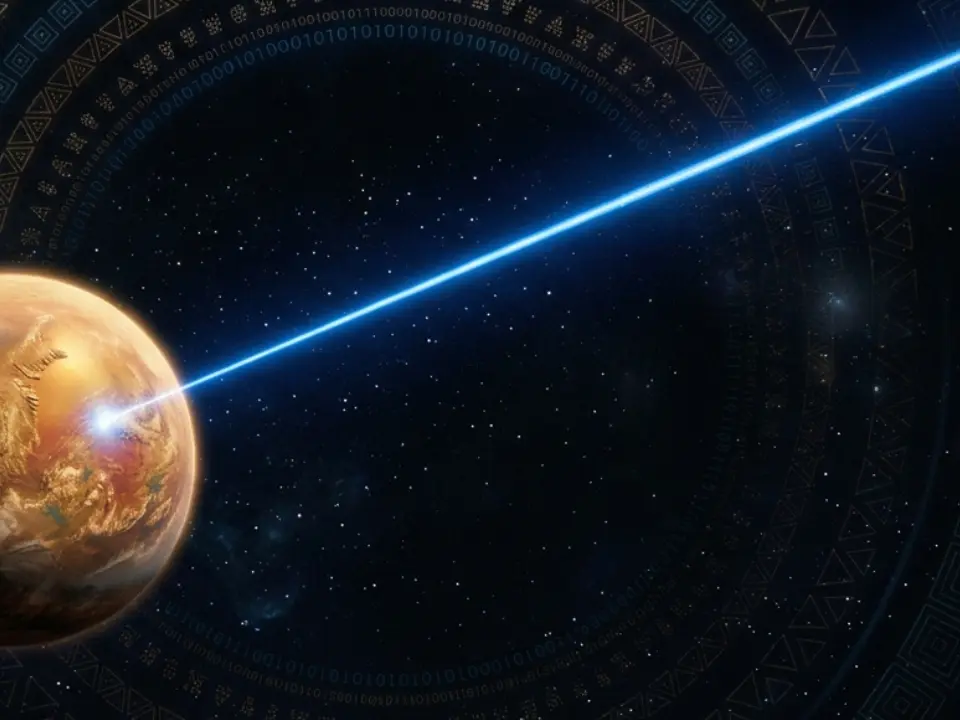)
Scientists detect first radio signals directly from faraway planet
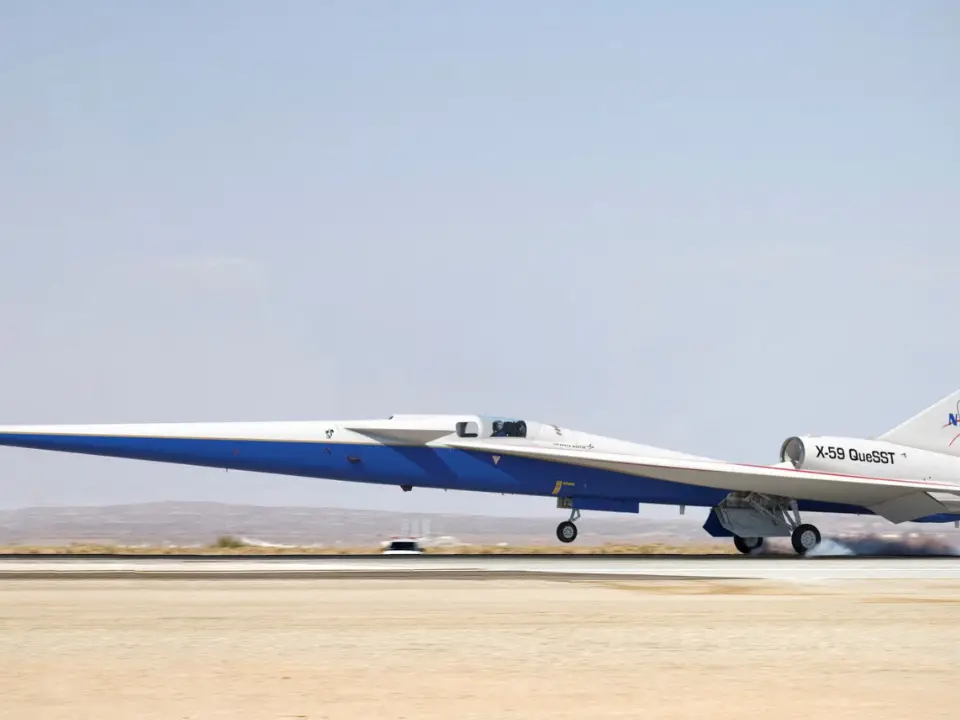)
China to test supersonic jet that moves at Mach 2, double the speed of sound
)
Forget apps: Qualcomm CEO says AI agents will change how we use smartphones
)
Bomb scare in New York amid UNGA: Suspicious suitcase found near UN headquarters
)
Mamata demands CEC Gyanesh Kumar's arrest, calls for fresh Bengal polls with old voter list
)
WION Iconic Tourism Summit and Awards 2026: Key voices to discuss India’s tourism future
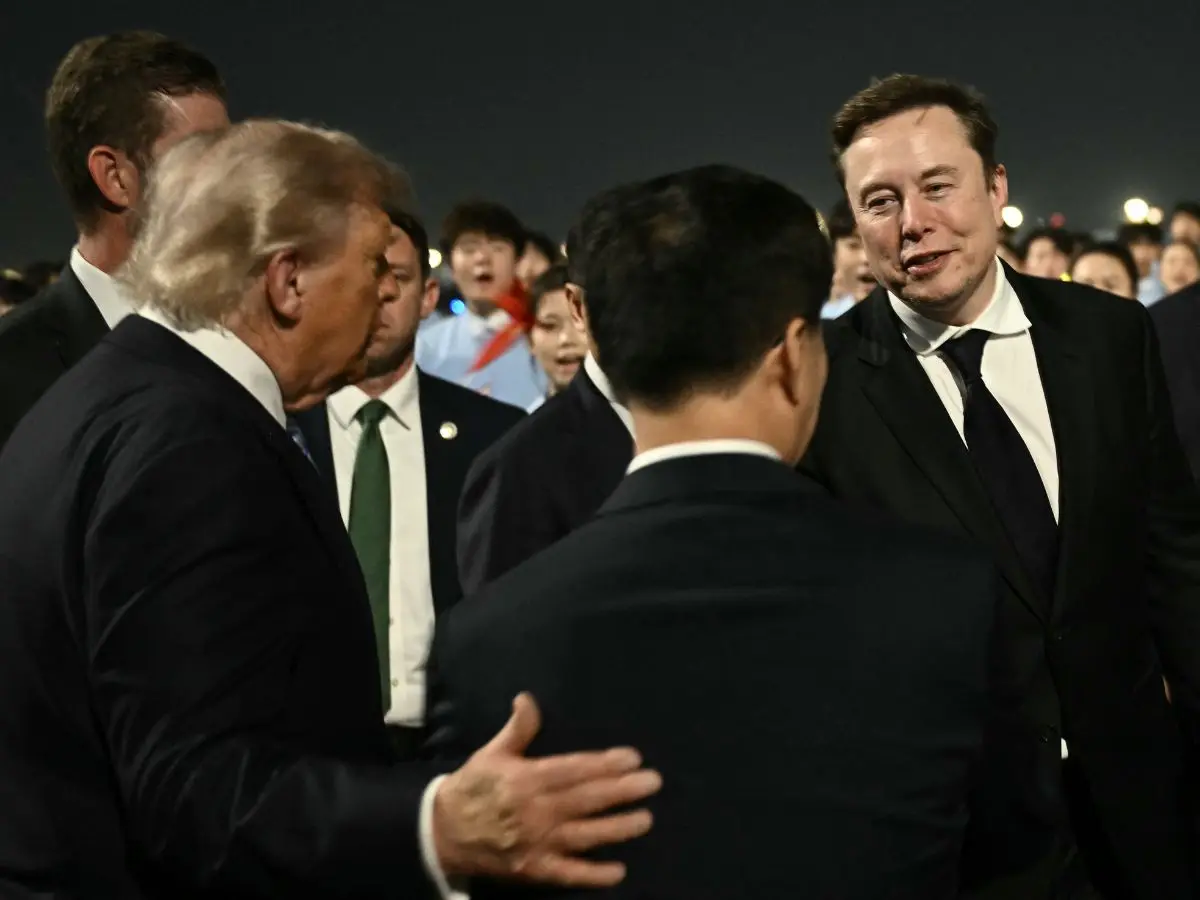)
Trump-Xi state dinner 2026: Who is invited? Full guest list of tech CEOs, business leaders and officials
)
American manufacturing is reshoring faster than its factory floors can absorb
&im=FitAndFill=(700,400))
New OTT releases this week (September 21-27, 2026): Shaque: Trust No One, Hunkkaar, Don’t Be Shy- 5 new titles coming to Netflix, Prime Video and more
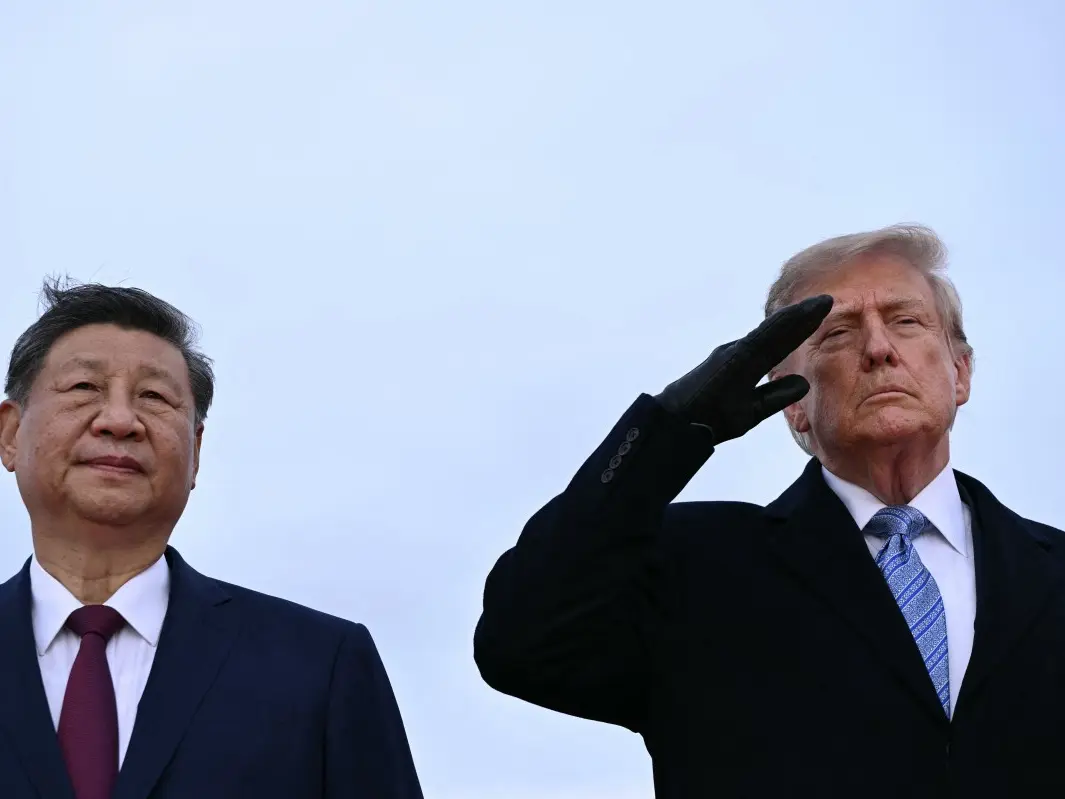)
WATCH | China President Xi Jinping lands in US as Trump greets him ahead of high-stakes summit
)
Trump calls on nations to quit ‘rogue’ and ‘out-of-control’ International Criminal Court, rips UN
)
UP farmer kills wife, 2 priests during ‘spirit possession’ ritual, shoots 9yo son
)
'What kind of confession is this?': Pakistan PM Shehbaz Sharif’s 'terrorists would be roaming New York' remark goes viral, raises alarm online. Watch
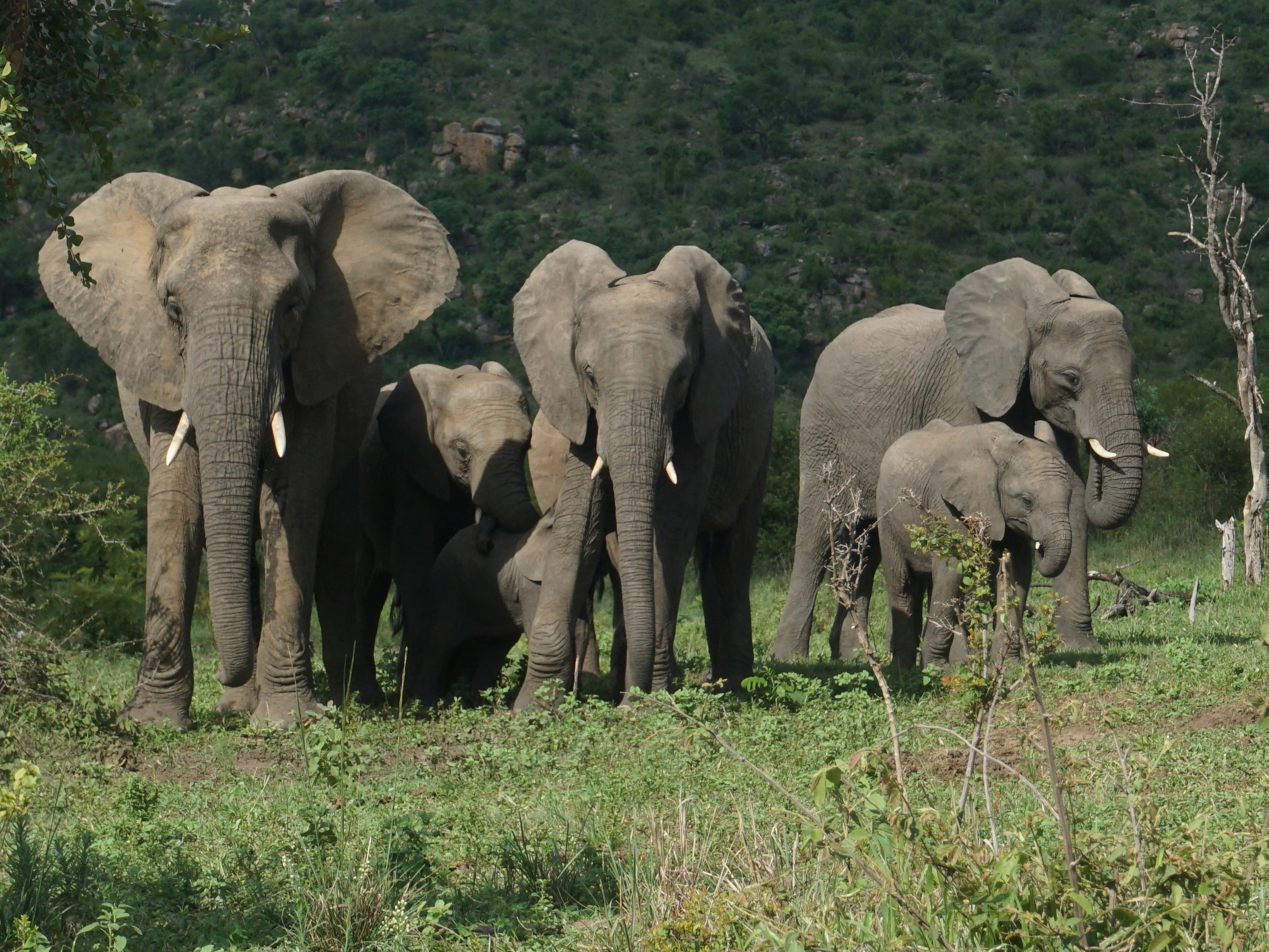)
Elephants hide behind trees, stage surprise attack on poachers targeting rhinos in South Africa
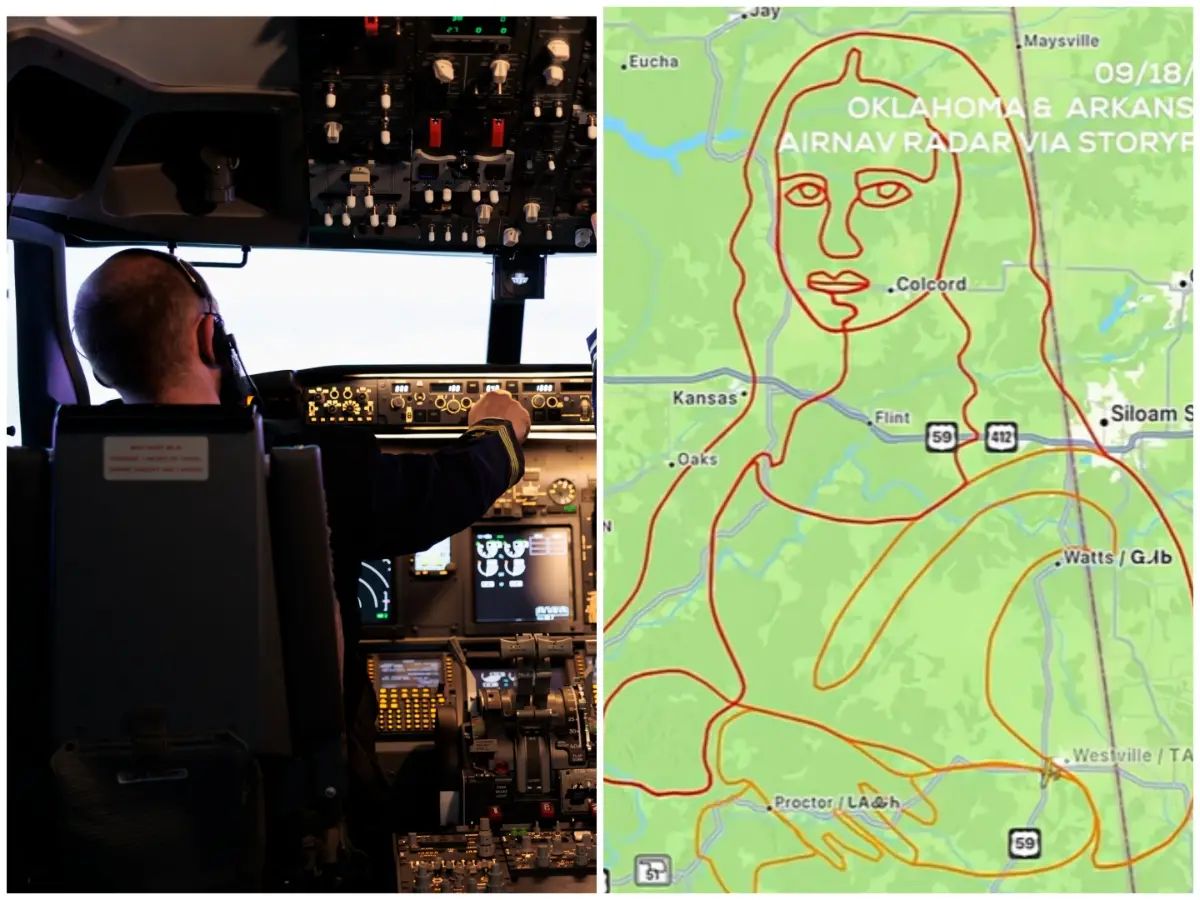)
Pilot recreates Mona Lisa in sky over Oklahoma and Arkansas in four-hour flight: VIDEO
)
IIT Bombay professor Suryanarayana Doolla sent on leave amid Sahil Wakode death probe
)
'Putin is patient zero': Zelensky slams Russian president at UNGA, accuses him of using fighters from 47 countries
&im=FitAndFill=(700,400))
National Film Awards 2026: Kartik Aaryan, Mammootty, Yami Gautam, Randeep Hooda and other key winners
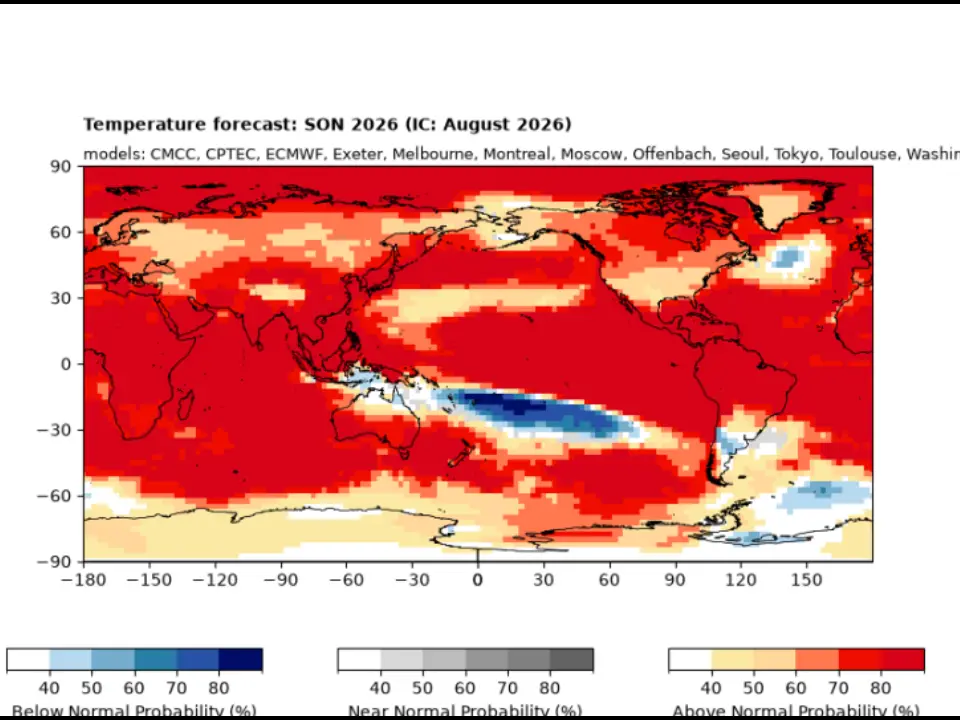)
El Niño 2026 heats up to become strongest in 1,000 years
)
Anne Hathaway to run in supporting race for Nolan's epic
)
Israeli envoy to US Yechiel Leiter’s son critically injured in West Bank ramming attack
)
From Gaddafi tearing up UN Charter to Trump’s ‘escalatorgate’: Most unforgettable UNGA moments
)
'Taiwan and human rights are red lines': China warns US ahead of Xi-Trump visit
)
Googlebook is here: Google launches $899 AI laptops with Gemini, Android phone integration
The scientists hypothesised that such material probably has an "outer Solar System origin". However, it was "unlikely to be the only source of volatiles delivered to the early Earth".
Also Read |Asteroid samples from Hayabusa-2 space probe leave Japanese scientists 'speechless'
Hayabusa-2, that was launched in 2014 to Ryugu, around 300 million kilometres away, returned to Earth's orbit two years ago. It brought with it a capsule containing the said sample.
In the Nature Astronomy study, the researchers again hailed the findings made possible by the mission.
"Ryugu particles are undoubtedly among the most uncontaminated Solar System materials available for laboratory study and ongoing investigations of these precious samples will certainly expand our understanding of early Solar System processes," the study said.
(With inputs from agencies)

