Opinion | Drooling over Dalgona and Sae-Byeok: How food is an intrinsic part of storytelling in Korean drama

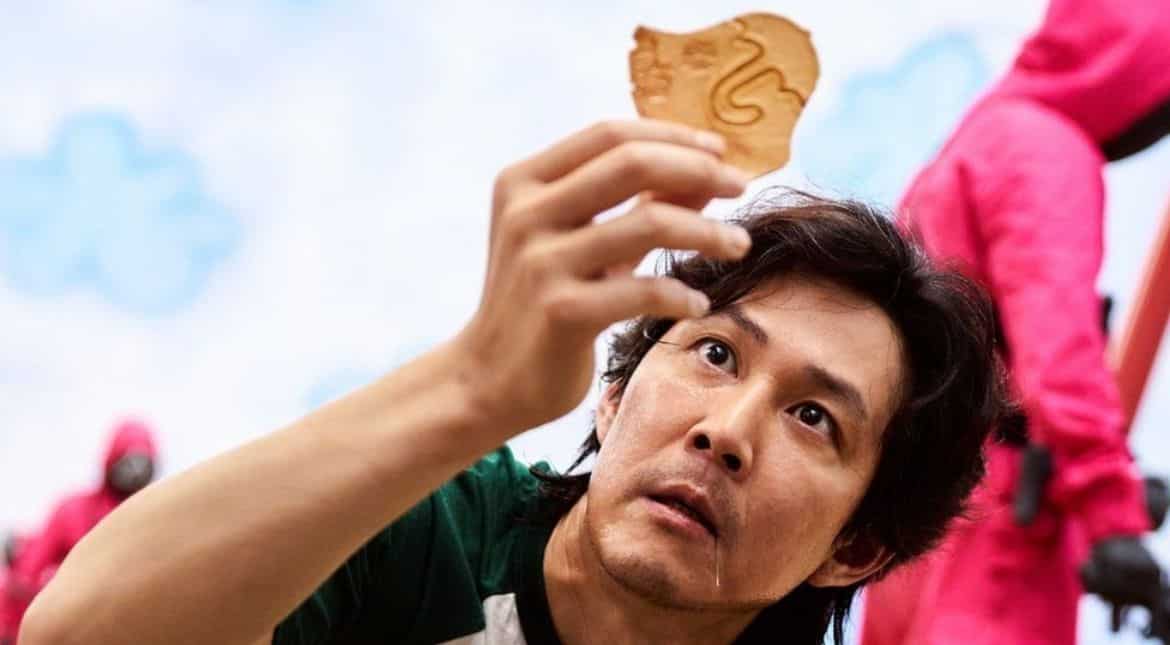
Still from 'Squid Game'
Korean smash hit 'Squid Game's final meal — a burly, blood-oozing T-bone steak for entrée and some red wine to wash it down — was a nod to the final fight scene. As the remaining players chew on the meat hesitantly, the tension between Seong and his rival Park Hae-Soo is seen building up. In the end, when the guards clear their blood-stained plates and leave a steak knife behind, a doomy sign of the final showdown is conveyed. Whichever way we cut it; food is an important component of storytelling in K-dramas.
The use of ramyeon in K-drama can also be viewed as a metaphor for intimacy. In Korean culture, long noodles were equated with long life and long-lasting marriage. Ironically, the historical meaning behind the same has been heavily diluted in K-drama and is used to refer to something immediate and casual. The use of this sexual innuendo can be seen featured in shows like 'Crash Landing on You' and 'What’s Wrong with Secretary Kim', where the female leads are seen inviting their male counterparts over a bowl of ramyeon — holding a strong sexual connotation.
Fondly known as Korea's 'National Grandmother,' Kim Young-Ok's character in Hometown Cha Cha Cha was heavily driven by her love for cooking. Young-Ok’s simple yet heart-warming meals to outsiders were her style of embracing them and making them feel at home. In the same drama, Lee Sang Yi's sudden visit to the seaside town to grab a bowl of hot chicken porridge prepared by Kim Seon has a deeper meaning to it. It hints at the emotional relevance of food and how it can keep individuals connected.
Of all K-dramas, 'Squid Game' has brilliantly employed food in its narrative. The scene where the protagonist, Seong Gi-hun is seen treating her daughter to roadside Tteokbokki (spicy rice cakes) on her birthday while her stepfather takes her to an opulent steak-house is a subtle reminder of the social inequality prevalent in South Korea where Tteokbokki is the food for the common masses whereas steak is for the wealthy. The same distinction is echoed when Pakistani immigrant Ali cannot afford ramyeon or Korean instant noodles, which are considered inexpensive. The use of dalgona candy to bring out the feeling of desperation and the race for survival is the highlight of Squid Game.
In 'Squid game,'the Frontman's beliefs of equality and fair play are illustrated using food to enhance the plot. The concept is best expressed by the use of bento boxes that contain precisely calculated servings of egg, kimchi, rice, and veggies.Not only has Korean food provided K-drama plots with a framework, but it has also become a symbol of cultural resonance for many. If it makes the Korean audience nostalgic, it also leaves the non-Korean audience in awe.
Disclaimer: The views of the writer do not represent the views of WION or ZMCL. Nor does WION or ZMCL endorse the views of the writer.