

&imwidth=800&imheight=600&format=webp&quality=medium "Shubhanshu Shukla Axiom-4 LIVE: Indian astronaut in orbit, begins journey to ISS")
Indian astronaut Shubhanshu Shukla has officially entered orbit following the successful launch of the Axiom-4 mission from Kennedy Space Center, Florida.
The SpaceX Crew Dragon spacecraft lifted off at 12:00 PM IST (2:30 AM EDT) on June 25, 2025, and is now en route to the International Space Station (ISS). Docking is expected at approximately 4:30 PM IST on June 26, after a 28-hour orbital journey.
This historic flight makes Shukla the first Indian to travel to the ISS, marking a major milestone in India's growing contribution to global space exploration. The mission reflects deepening cooperation between ISRO, NASA, and private partners, reinforcing India's presence in the next era of human spaceflight.
Odisha CM Mohan Charan Majhi called Axiom Mission 4 “bold, ambitious & visionary,” as Group Captain Shubhanshu Shukla became India’s second astronaut in space after 41 years. First in ISS. and Odisha Governor Hari Babu Kambhampati said it’s a proud moment that reflects the spirit of a New India.
Pride and joy filled the family members of Group Captain Shubhanshu Shukla in Lucknow as he became the first Indian to reach the ISS after 41 years. His family watched the launch with happy tears. From space, Shukla said, “The tiranga on my shoulder reminds me I’m with all of you.” The SpaceX Dragon capsule will dock with the ISS at 4 pm IST on June 26.
Former ISRO scientist Mylswamy Annadurai praised the progress of Axiom-4 after its launch on SpaceX’s Falcon 9. The crew is expected to dock safely at the ISS by tomorrow. He called it a proud moment as Shubhanshu Shukla became the first indian to reach the space station. Annadurai also echoed Shukla’s message about the tiranga on his shoulder being a symbol of unity and pride.
SpaceX shares photos of Falcon 9 launching Axiom Mission 4 to the ISS. This marks Dragon’s 18th human spaceflight, carrying Group Captain Shubhanshu Shukla and the Axiom Mission 4 crew. Here are the launch images SpaceX posted on X.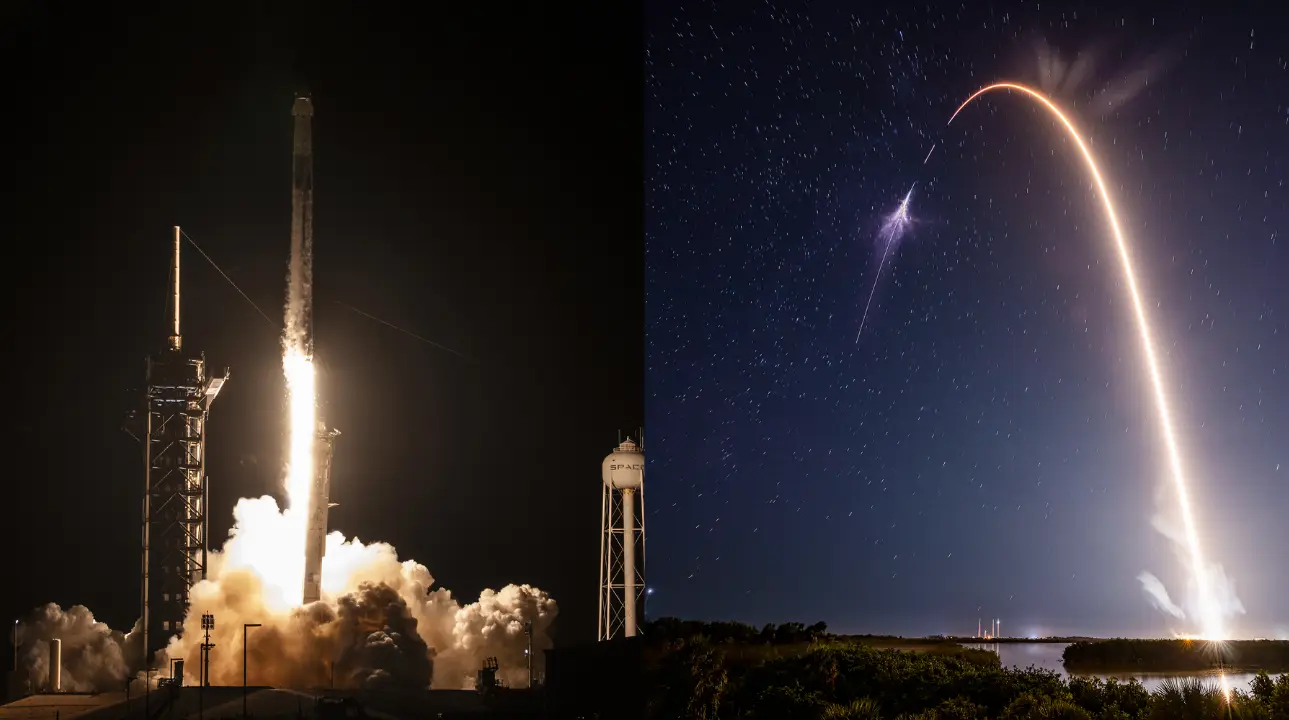
Axiom 4 Launch Live Updates: SpaceX’s Falcon 9 rocket made a successful landing at landing zone 1 in Florida after launching Axiom Mission 4 to the ISS. The rocket carried India’s group captain Shubhanshu Shukla and the crew. Here are the photos SpaceX shared on X.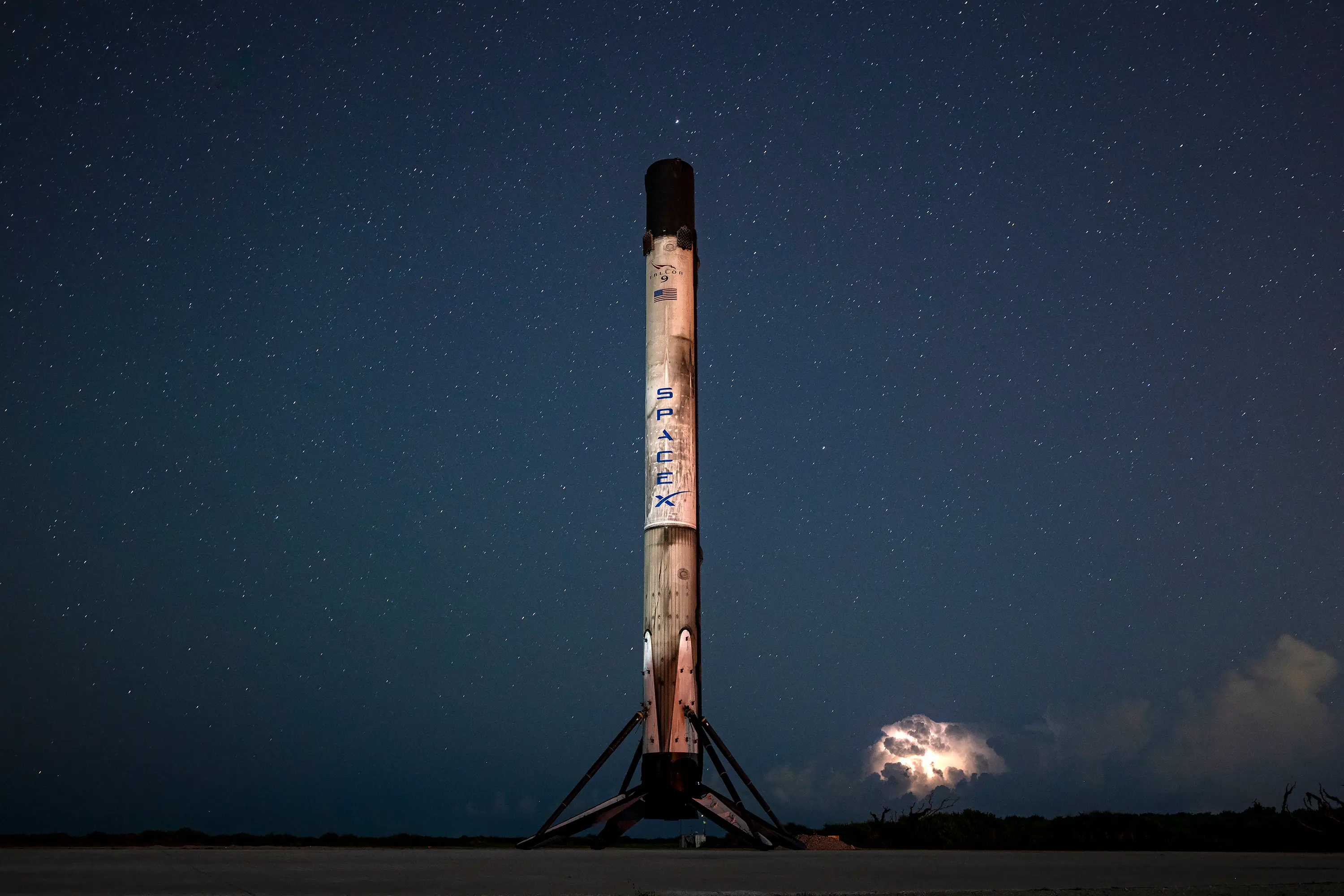
Axiom 4 Launch Mission Live Updates: "Dr S. Jaishankar posted on his X Best wishes to Group Captain #ShubhanshuShukla and the astronauts from Poland, Hungary and the US, as they embark on #AxiomMission4 to the International Space Station.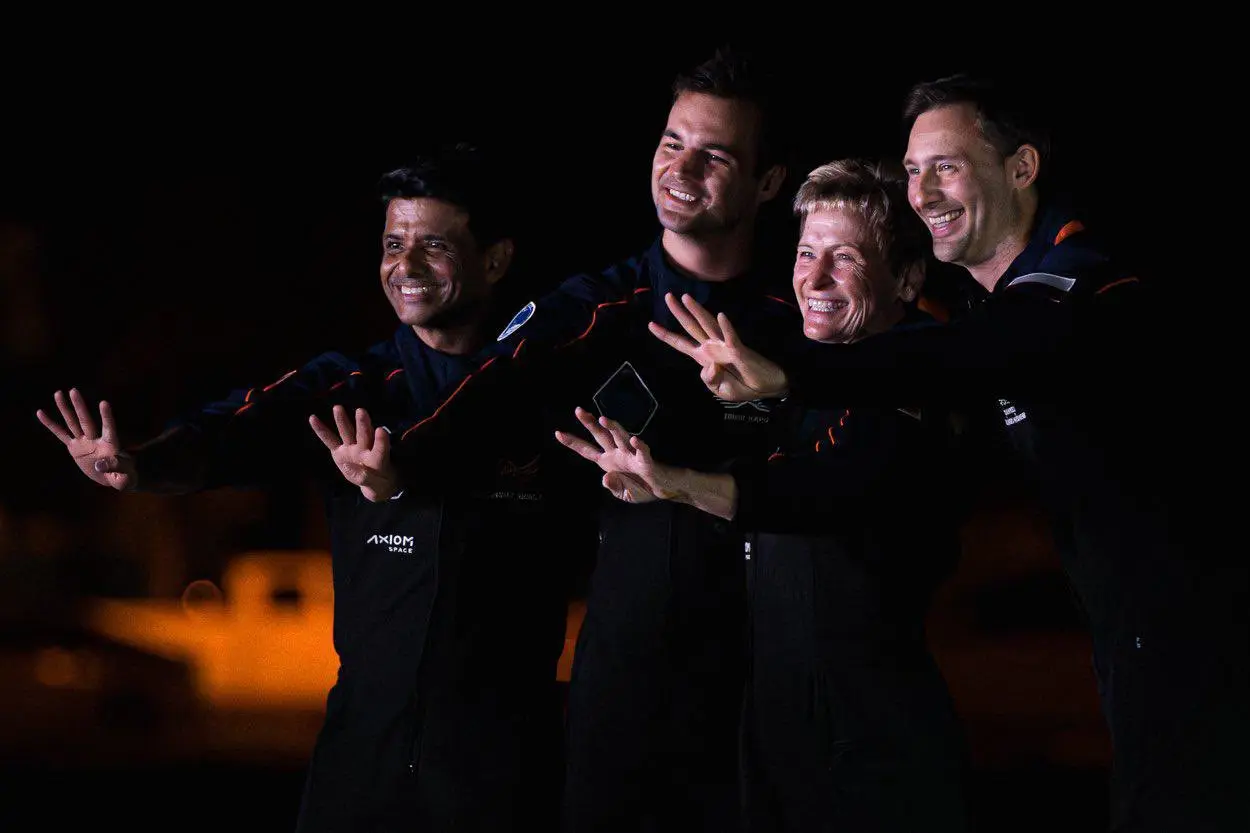
Shubhanshu Shukla’s sister, Shuchi Mishra, told ANI, "We hope everything will go well. We are relaxed and waiting for him to return home safely after 15 days. Our hopes are rising now, we want him to do more missions and make us proud."
The President of India extended heartfelt congratulations to Group Captain Shubhanshu Shukla for marking a historic milestone in India’s space journey by launching into space aboard Axiom Mission 4. In a post on X, the President wrote: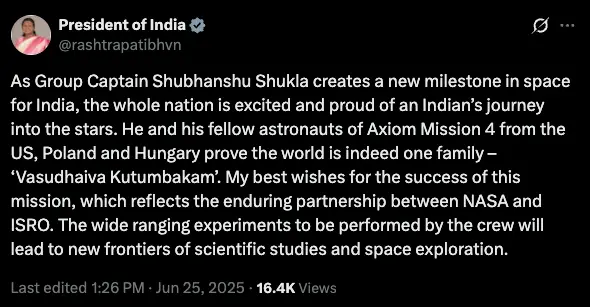
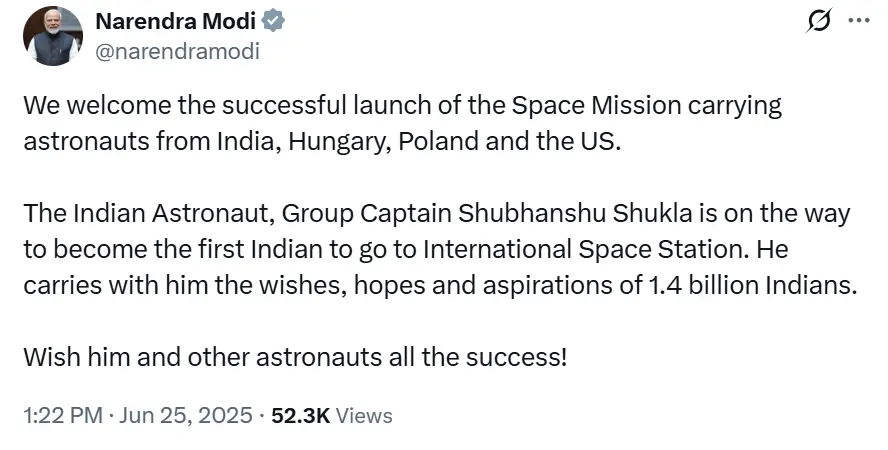
Prime Minister Narendra Modi lauded the successful launch of Axiom-4, calling it a proud milestone as Group Captain Shubhanshu Shukla heads to the International Space Station. “He carries with him the wishes, hopes and aspirations of 1.4 billion Indians,” the PM posted on X. The multinational crew includes astronauts from India, Hungary, Poland, and the US, in a mission seen as pivotal for India’s 2027 Gaganyaan ambitions.
In a post on X, the Indian Air Force said, "From mastering the skies to reaching for the stars, a journey fuelled by the unwavering spirit of the IAF Air Warrior. Group Captain Shubhanshu Shukla embarks on a landmark space mission, carrying the pride of the nation beyond Earth. This marks a déjà vu moment for India, occurring 41 years after the historic flight of Squadron Leader Rakesh Sharma, who was the first to take our Tricolour into space. More than just a mission, it stands as a powerful reaffirmation of India’s ever-expanding frontiers."
In Delhi, Union Minister Dr Jitendra Singh joined Australian High Commissioner Philip Green, South Australia’s Governor Frances Adamson, and other dignitaries to celebrate the successful launch of the Axiom-4 mission. Marking a proud milestone for India, the gathering honoured Group Captain Shubhanshu Shukla, currently en route to the International Space Station, by sharing sweets and extending their congratulations.
Traveling at a staggering speed of 27,000 kilometers per hour, the Dragon spacecraft has entered a stable low Earth orbit at an altitude of approximately 210 km. This high-velocity orbital path allows the capsule to circle the Earth roughly once every 90 minutes. At this speed and altitude, Shubhanshu Shukla and the Axiom-4 crew are now truly in space, experiencing microgravity as they cruise toward their scheduled docking with the International Space Station.
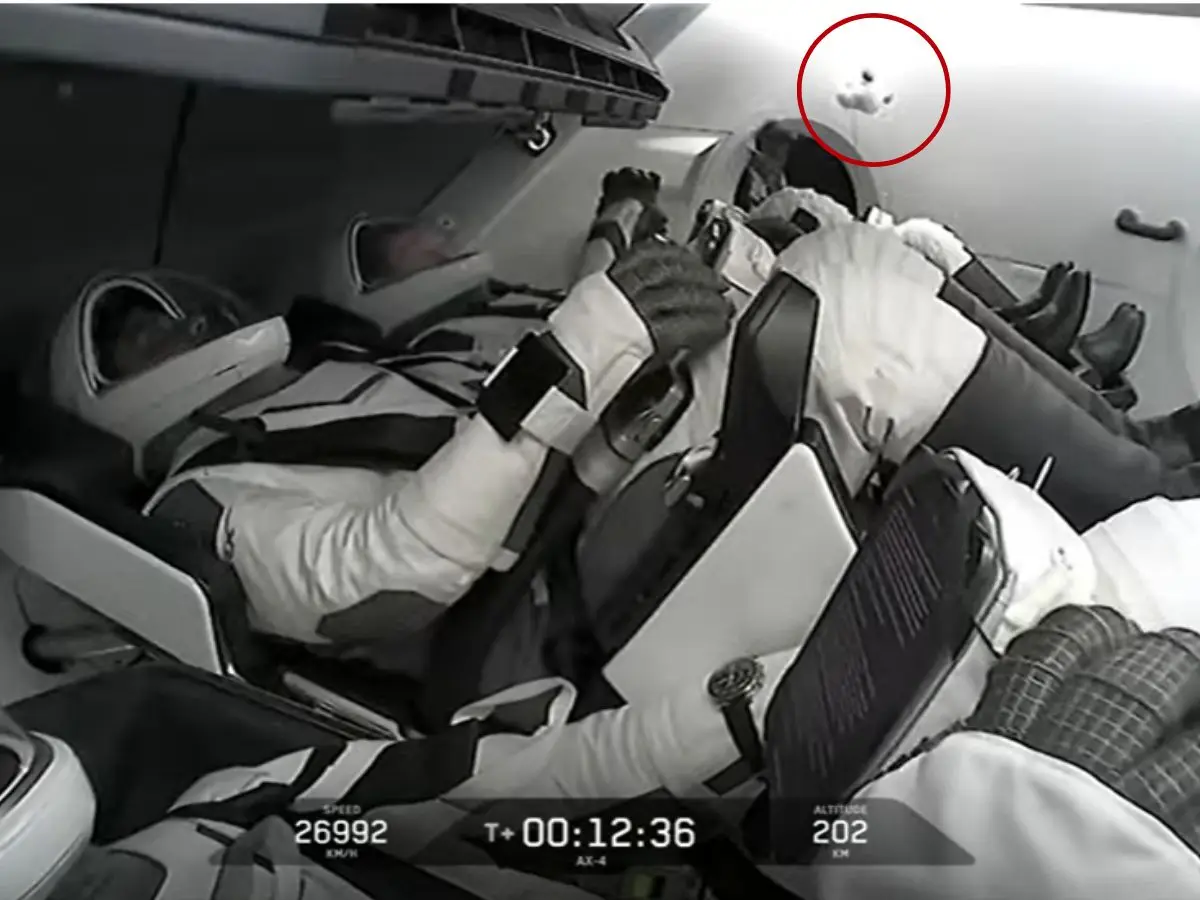
As the Dragon capsule successfully reached orbit and separated from the Falcon 9’s second stage, the moment space fans around the world waited for arrived, the appearance of the zero gravity indicator. A small plush toy named ‘Joy’ floated into view inside the cabin, signaling that the crew had officially entered microgravity. For Indian astronaut Shubhanshu Shukla, it marked the first moments of floating freely in space, a milestone in India’s human spaceflight journey. The capsule is now coasting in orbit as it begins its journey to dock with the International Space Station.
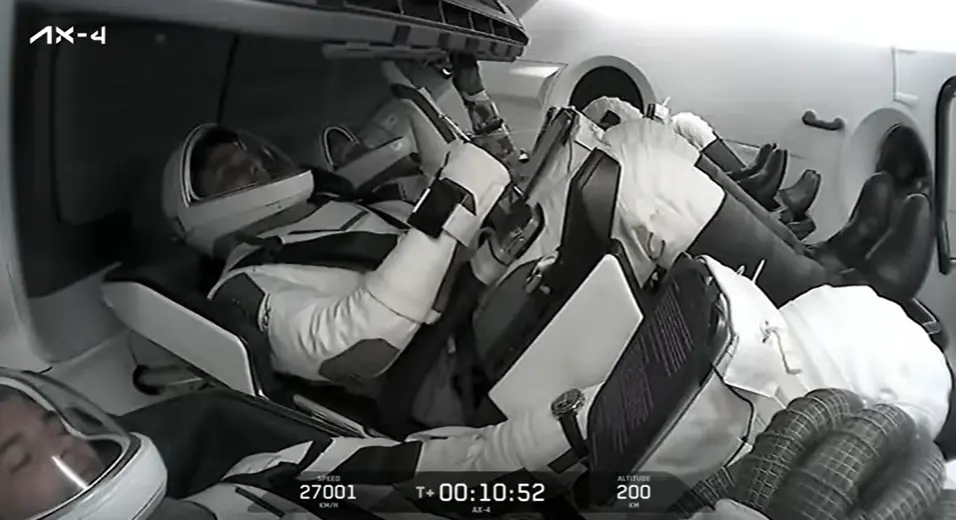
Speaking from orbit aboard the historic Axiom 4 mission, astronaut Shubhanshu Shukla addressed the nation: “This is the beginning of India’s space programme. Every Indian should feel proud. Jai Hind, Jai Bharat.”
The mission marks India’s first crewed spaceflight test, a milestone in ISRO’s journey towards sending humans into space independently.
The Dragon capsule separates from the second stage, drifting gracefully into free flight. Solar panels deploy, life support systems activate, and the capsule begins its journey toward the International Space Station.
At T+9, the second stage engine shuts down in a manoeuvre called SECO (Second Engine Cut-Off). The capsule has now achieved its intended orbital velocity.
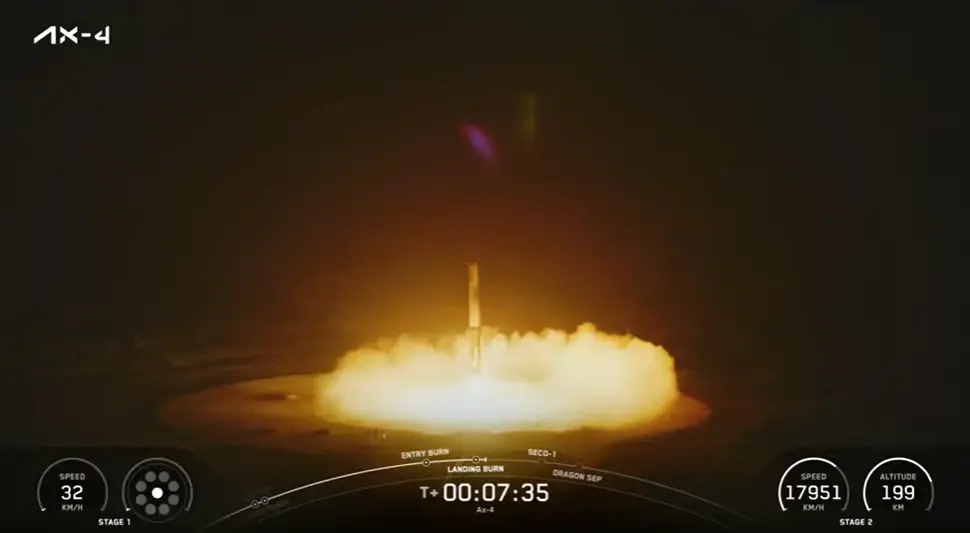
The first stage booster performs a controlled entry burn, slowing itself down as it descends through the atmosphere.
Following separation, the second stage’s single Merlin Vacuum engine (MVac) ignites in what's called SES-1 (Second Engine Start). The stage begins accelerating the Dragon capsule into low Earth orbit.
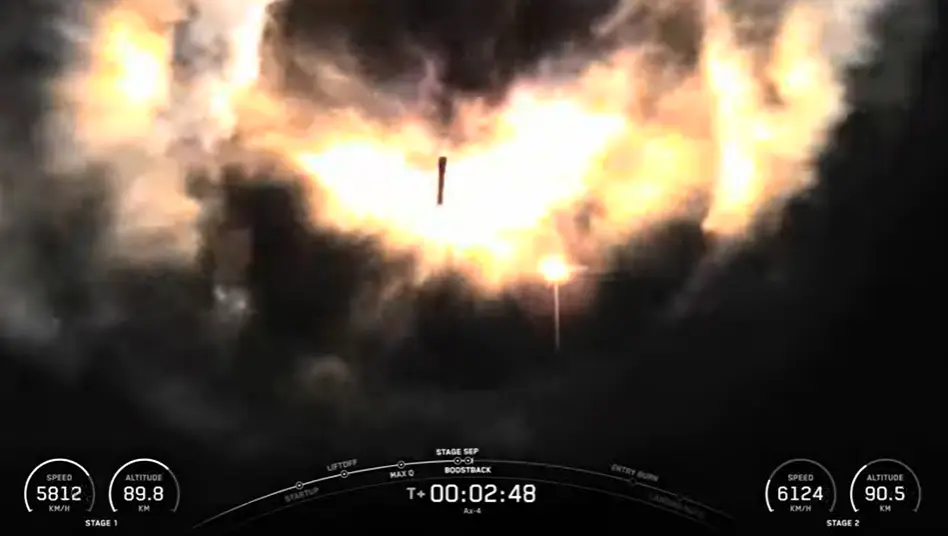
Just seconds after MECO, the first and second stages separate. The first stage begins its return to Earth for recovery, while the second stage ignites to carry the crew to orbit. The process is smooth and on time.
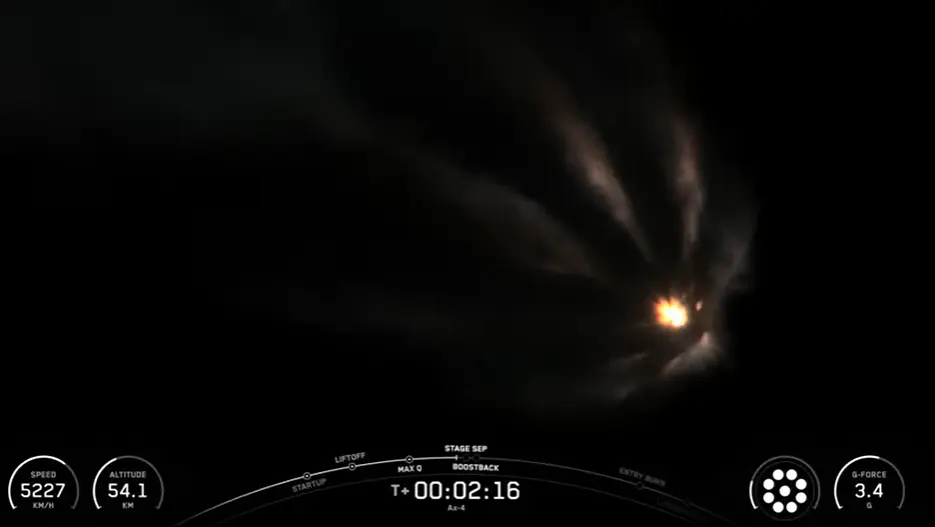
At approximately 2 minutes and 30 seconds after launch, the first stage engines shut down — a milestone known as MECO (Main Engine Cut-Off). This marks the end of the first stage's powered flight.
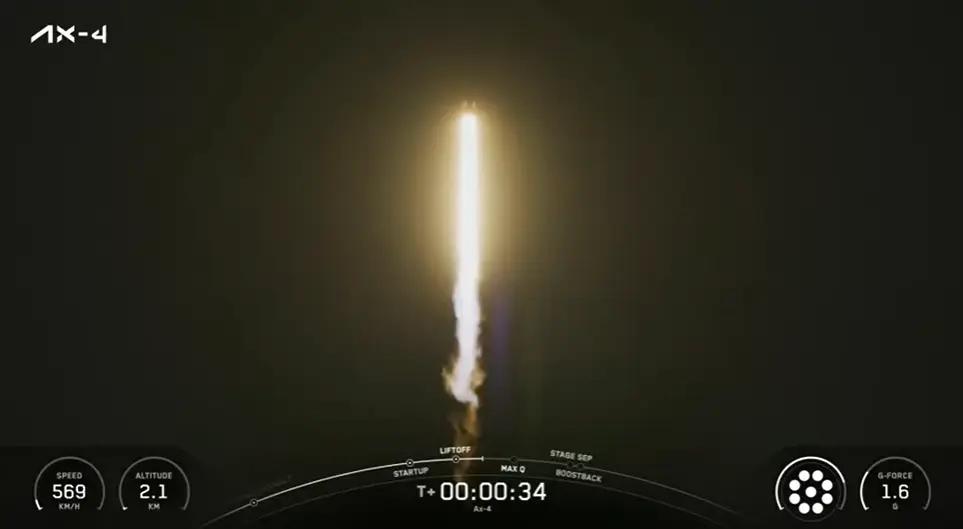
Around 1 minute and 15 seconds into flight, the rocket passes through Max Q, the moment of maximum aerodynamic pressure on the vehicle. This is a critical stress point as the atmosphere pushes hardest against the accelerating rocket. Falcon 9 sails through it without issue.
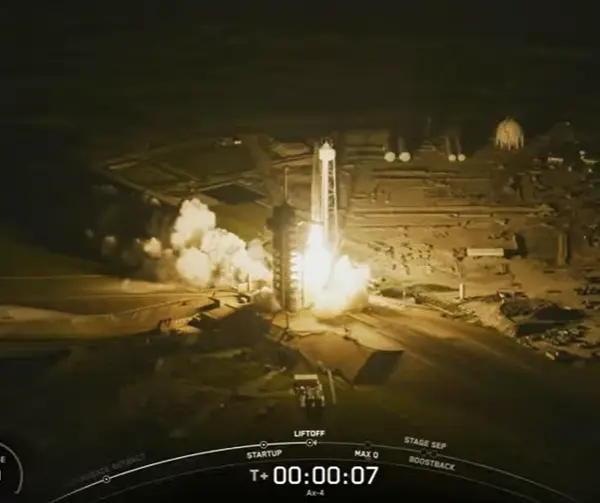
At T-0, the Falcon 9’s nine Merlin engines ignite in a synchronised burst of flame and thrust. With all systems green, the rocket clears the launch tower, marking the official start of the Axiom-4 mission. The vehicle begins its rapid ascent, piercing the Florida sky.
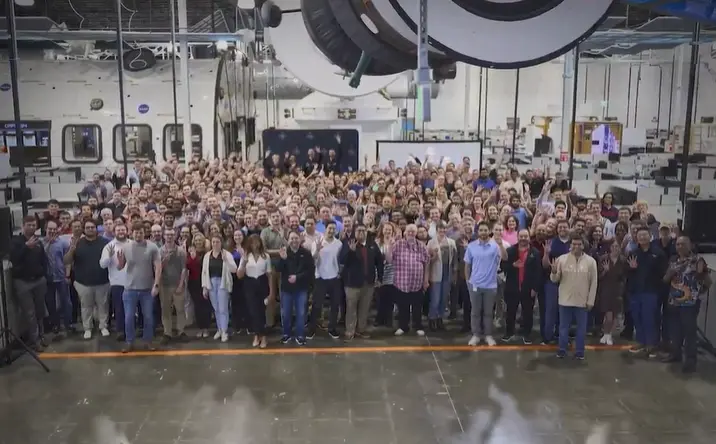
As the Axiom 4 launch nears, emotions run high with family members, teammates, and supporters cheering on the crew from across the globe. Axiom Space shared a heartfelt video compilation featuring messages from the astronauts' friends and families, adding a deeply personal touch to this historic mission.
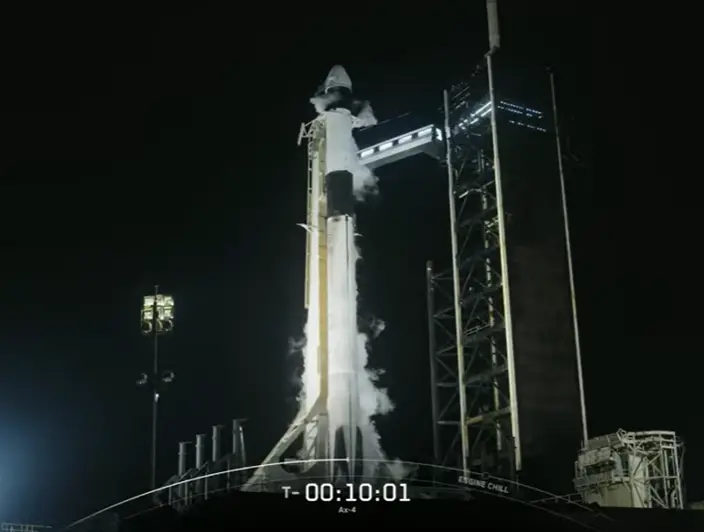
The final countdown has begun. With just 10 minutes to liftoff, Falcon 9 stands poised on the launch pad at NASA’s Kennedy Space Center, ready to propel the Axiom-4 mission into orbit.
Onboard is Group Captain Shubhanshu Shukla, moments away from making history as he embarks on a trailblazing journey to the International Space Station, a proud leap forward for India in human spaceflight.
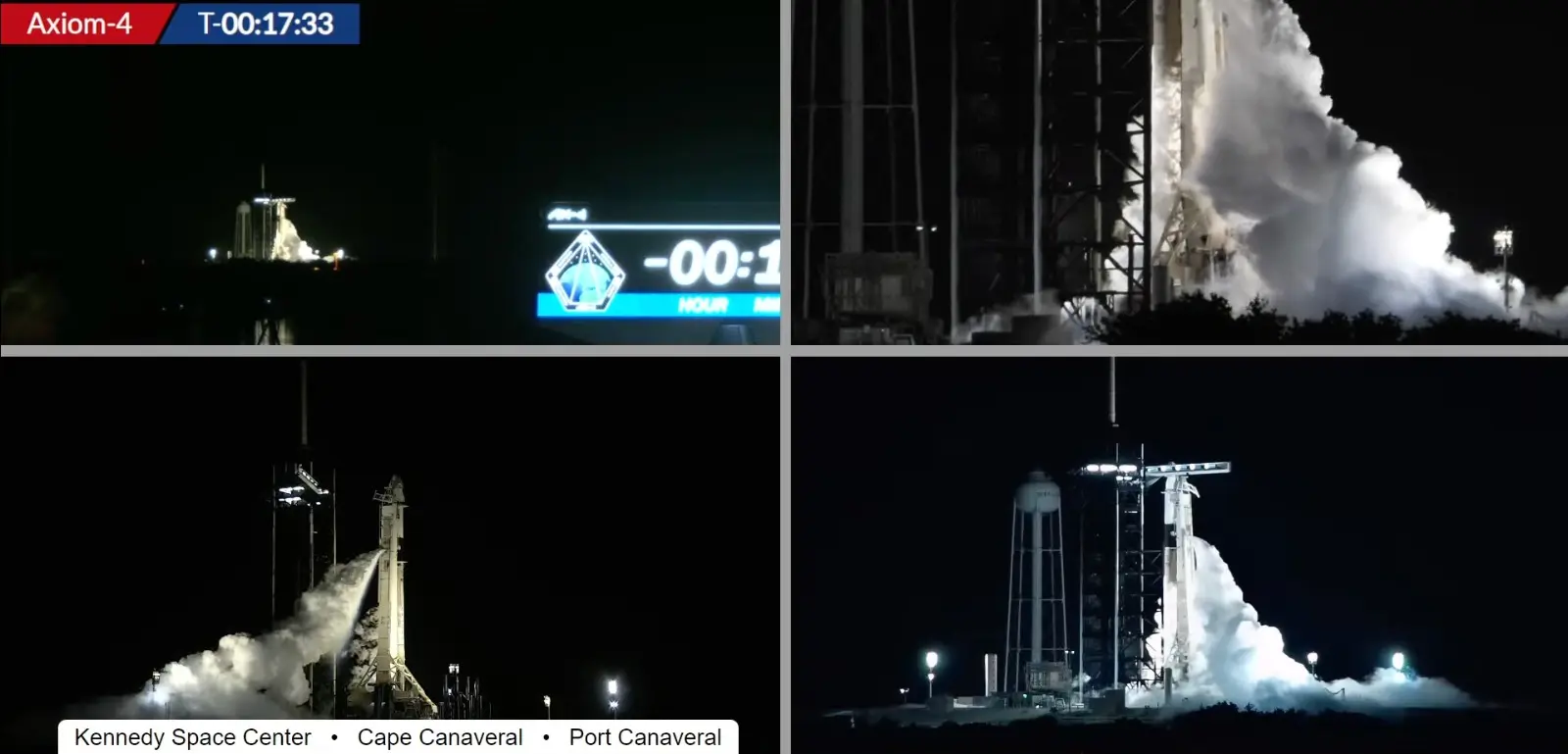
Cryogenic fueling has begun, with liquid oxygen and liquid hydrogen now being loaded into the rocket. These supercooled propellants are crucial for achieving the high thrust needed for orbital ascent. The Dragon crew has also confirmed the start of helium loading, a key step in pressurising the fuel tanks ahead of ignition. Countdown progressing on schedule.
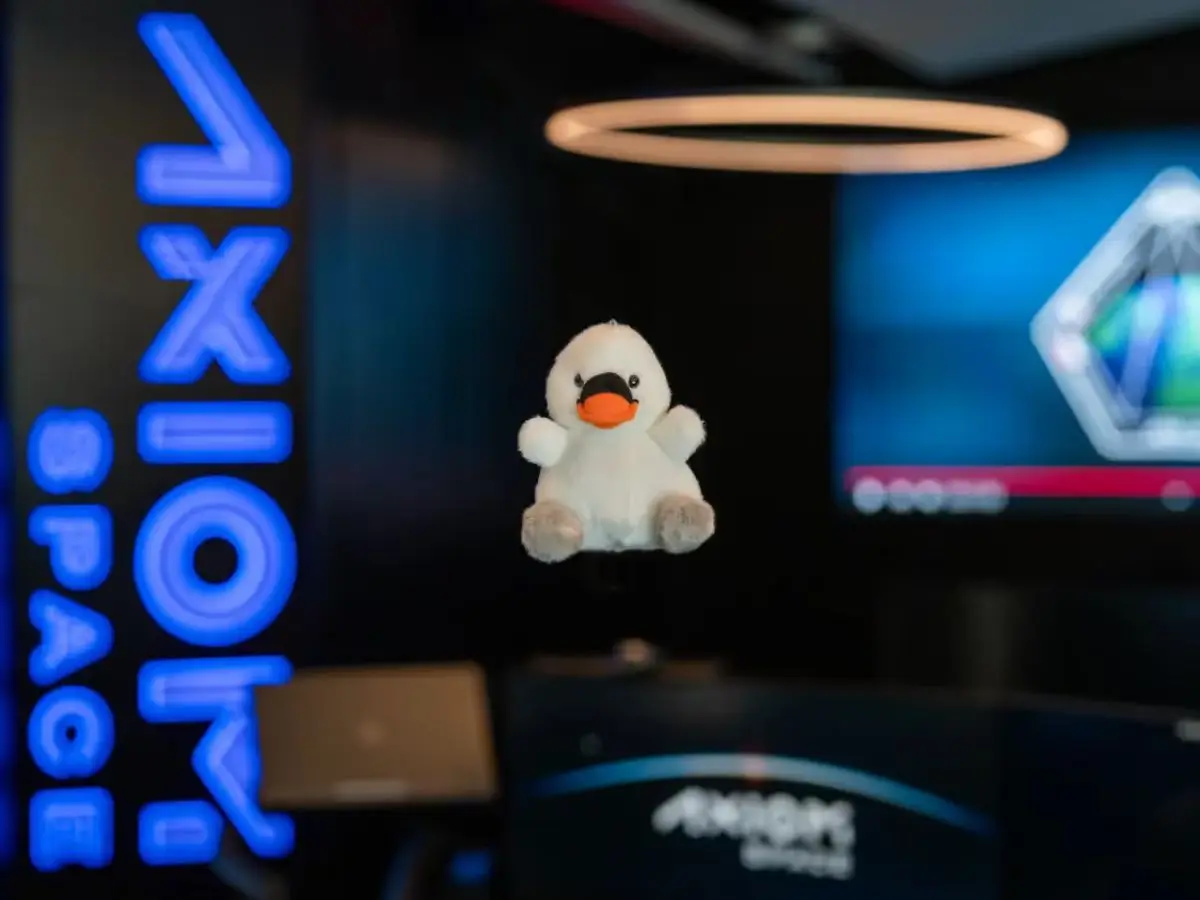
A plush baby swan named 'Joy' will accompany Indian astronaut Shubhanshu Shukla and the Axiom-4 crew to the International Space Station.
Far from just a charming mascot, 'Joy' serves as the mission’s zero-gravity indicator — a time-honoured spaceflight tradition. Once the crew enters microgravity, the floating swan will visibly confirm the shift. The swan, known for its grace and elegance, carries allegorical meanings across cultures. In India, it symbolises wisdom and purity, representing the pursuit of truth.
The Dragon’s hatch is now officially closed, signaling a key milestone in the final launch preparations. All communication and suit integrity checks have been successfully completed, and the crew seats have been rotated into launch position. With the crew access arm retracted, the Axiom-4 astronauts are now fully secured and ready for liftoff as the countdown moves steadily toward launch.
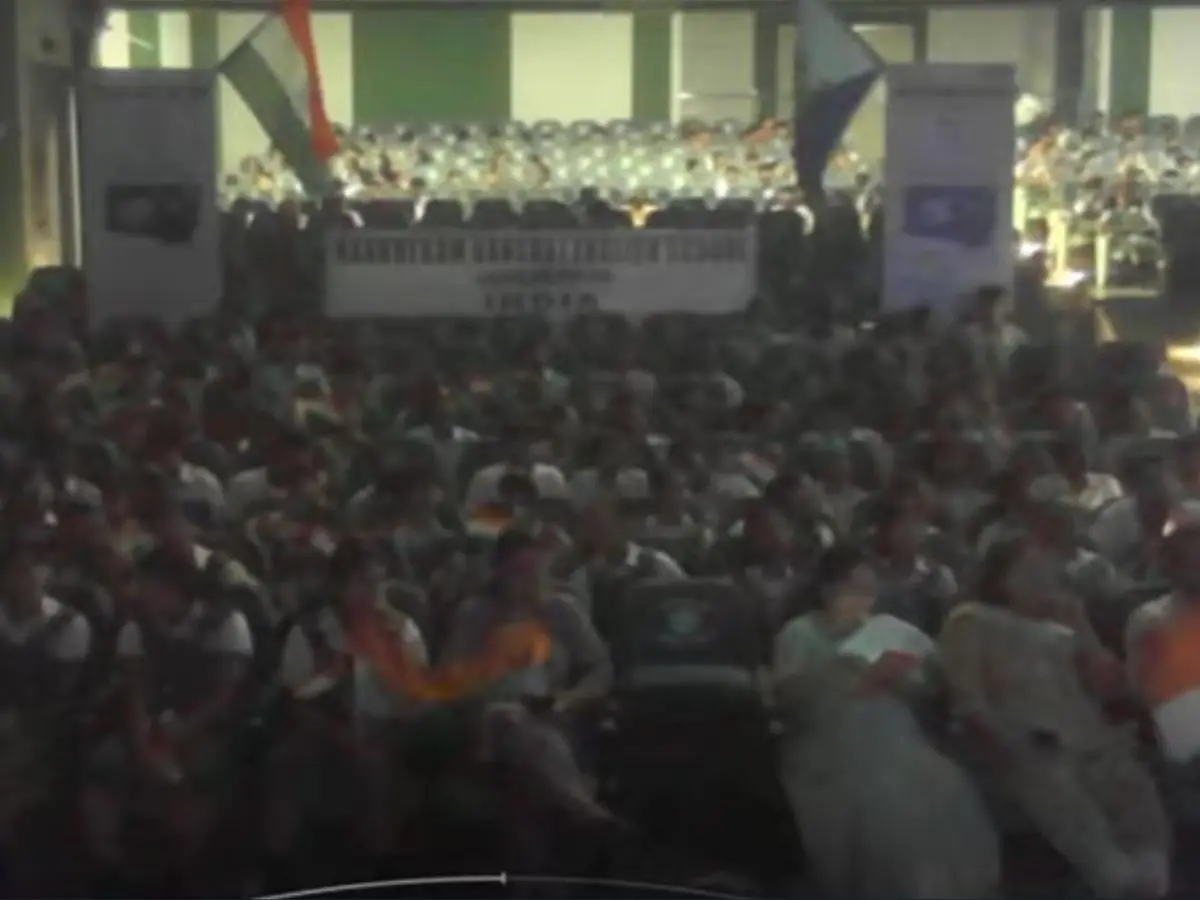
As the Axiom 4 launch draws near, live visuals are streaming in from across India. First visuals coming in from Jamshedpur, India showing excitement is in the air as students and teachers at the Narbheram Hansraj English School gather around screens, waving flags and cheering in anticipation. Eyes fixed on astronaut Shubhanshu, poised for liftoff aboard the Dragon spacecraft.
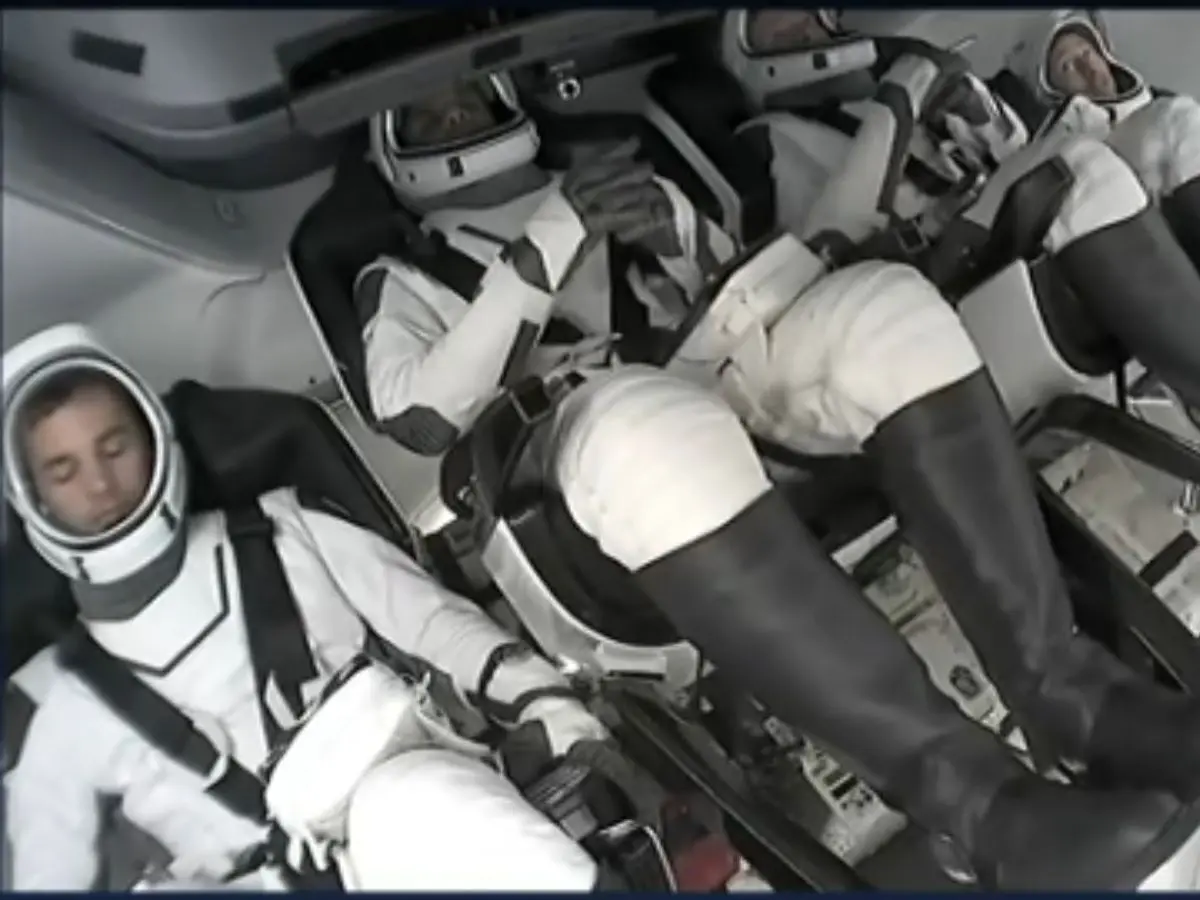
All four astronauts of the Axiom-4 mission are securely strapped inside the SpaceX Dragon spacecraft, awaiting final checks before liftoff. With communications active and systems powering up, the crew is in position as the countdown continues toward launch from Kennedy Space Center.
Axiom 4's crew has flagged a critical issue with wind data uploads to the Dragon spacecraft. Without successful upload before rollout, the mission will face a no-go for launch.
Teams are actively troubleshooting, with real-time updates expected from the astronauts.
Probability of Weather Violation: 10 per cent
Primary Concerns: Cumulus cloud rule, flight through precipitation
Weather: Isolated showers
Visibility: 7 miles
Temperature/Humidity: 79°F / 80 per cent
Cloud Conditions:
Type: Cumulus
Coverage: Scattered
Base: 2,500 ft
Tops: 10,000 ft
Liftoff Winds (200 ft): From 130°, at 5–10 mph
Additional Risk Criteria:
Upper-Level Wind Shear: Low
Ascent Corridor Recovery: Low
Booster Recovery Weather: Low
Solar Activity: Low
The Axiom-4 mission follows a precisely timed pre-launch sequence leading up to liftoff.
The coverage is as follows:
T-4:00:00 — Crew transported to the Final Suit-Up Building (FSB)
T-3:20:00 — Crew suits up in flight gear
T-2:35:00 — Crew ingress into the SpaceX Crew Dragon capsule
T-1:55:00 — Hatch closed and sealed
T-0:45:00 — Launch Director (LD) verifies “GO” for propellant load
T-0:42:00 — Crew access arm retracts
T-0:39:00 — Launch escape system armed
T-0:35:00 — First stage (S1) and second stage (S2) RP-1 propellant loading begins
T-0:20:20 — Liquid oxygen (LOX) chilldown begins
T-0:16:30 — Second stage LOX loading begins
T-0:07:00 — Merlin engines begin chilling
T-0:05:00 — Dragon capsule switches to internal power
T-0:01:00 — Falcon 9 and Dragon enter startup mode
T-0:00:45 — LD gives final “GO” for launch
T-0:00:00 — Falcon 9 liftoff from Kennedy Space Center, Florida
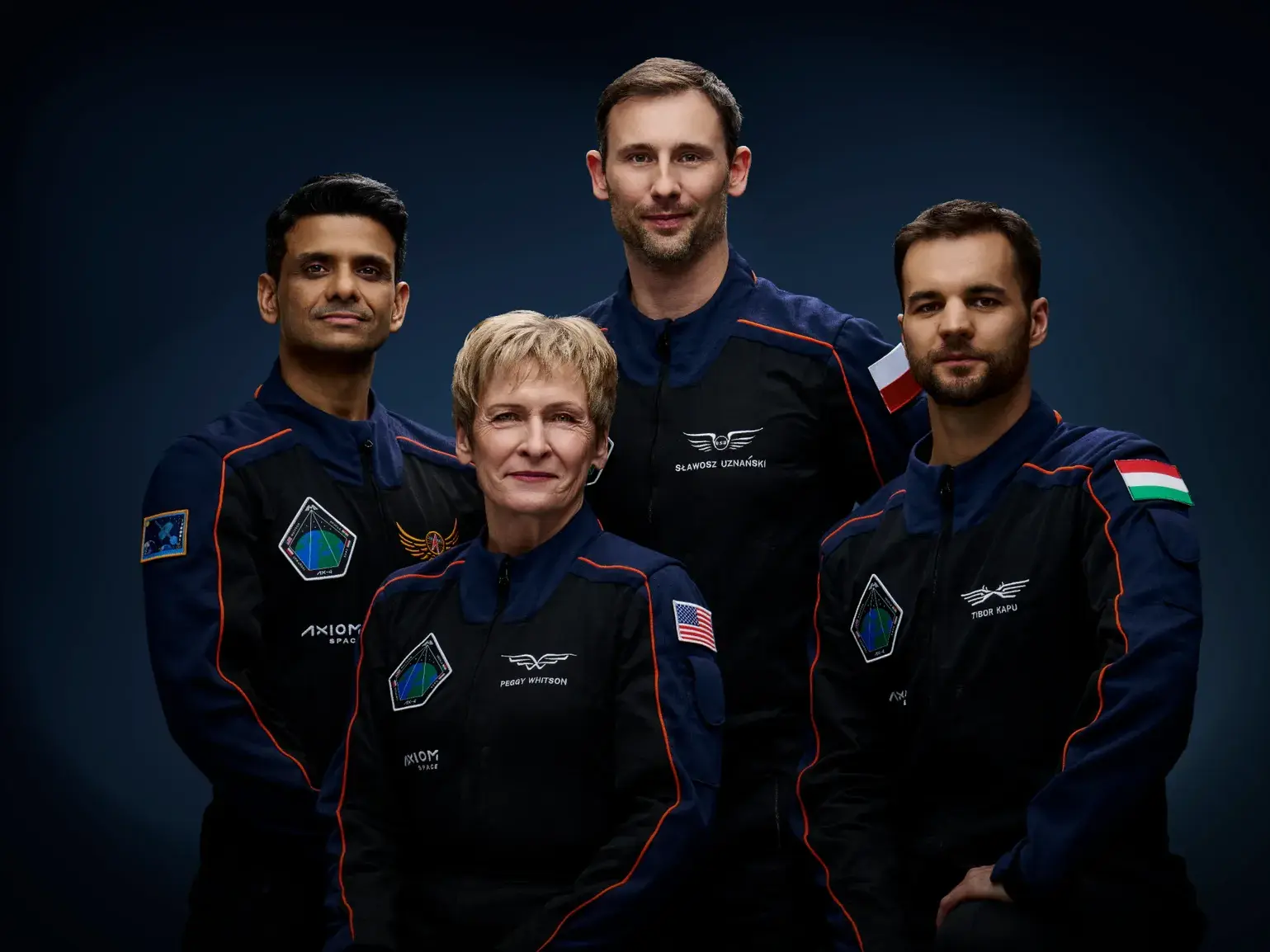
The Axiom-4 mission features a four-member international crew, each representing a different country. Here's the list of astronauts onboard:
Peggy Whitson (Commander)
Nationality: USA
Shubhanshu Shukla (Pilot)
Nationality: India
Sławosz Uznański-Wiśniewski (Mission Specialist)
Nationality: Poland
Tibor Kapu (Mission Specialist)
Nationality: Hungry
The Axiom-4 mission marks a historic return to human spaceflight for India, Poland, and Hungary, each sending a government-backed astronaut to space for the first time in over four decades. While all three nations have previously launched one human spaceflight mission in their history, Ax-4 will be their first mission involving a long-duration stay aboard the International Space Station (ISS).

