What led Indira Gandhi to declare Emergency?

Emergency
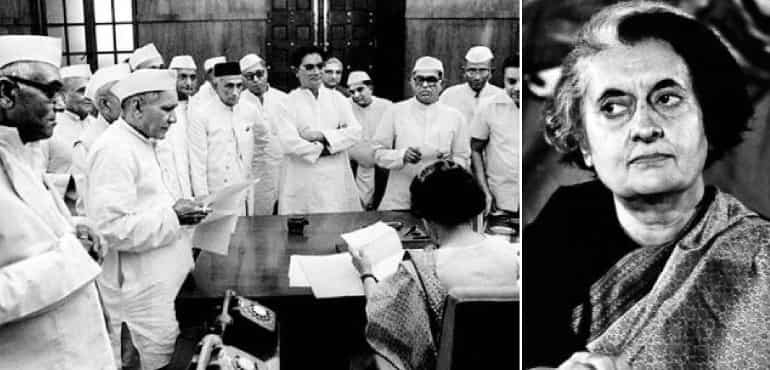
A letter was drafted that said that there is an imminent danger to the security of India
The 21 month-long emergency -- announced just minutes before the midnight of June 25, 1975, was the darkest period for India. Former Prime Minister Indira Gandhi assumed draconian powers, curbing free speech and dissent. But what were the series of events that led to the country's darkest year, here's taking a quick look.
The Bangladesh liberation war had raised Indira Gandhi's profile. She was recognised around the world for providing substantial diplomatic, economic and military support to freedom fighters in Bangladesh. In the euphoria of victory against Pakistan, the Congress swept the polls in 1971. Indira Gandhi returned to power with a thumping majority. By now, she was being compared to goddess Durga.
But not many knew that within three years, India would witness her most loved leader turn into a dictator.
The oil crisis of 1973 triggered a spike in inflation in the country. Rising unemployment and charges of rampant corruption changed the public mood against Gandhi.
Raj Narayan, leader of the Bharatiya Lok Dal Party, had stood against Indira Gandhi in Raebareli. He filed a case of electoral malpractice against her.
Justice Jagmohan Sinha of the Allahabad High Court delivered a historic decision. He found Indira Gandhi guilty on two counts of electoral malpractice. Her election was invalidated and she was disbarred from the office for six years.
This was a major setback for Gandhi. But, despite mounting protests by the opposition, she decided to fight back. The opposition, led by the likes of Jai Prakash Narayan and Morarji Desai took to the streets. India came to a standstill.
Indira Gandhi moved the Supreme Court against the judgement. A vacation bench gave a conditional stay, while the ruling bench allowed her to stay on as the prime minister. However, Gandhi was not allowed to speak or vote in the parliament, until a larger bench took a decision on the case.
The opposition -- emboldened by its victory in the Gujarat assembly elections -- announced a week-long satyagraha. They wanted Indira Gandhi to resign immediately.
On that day, Gandhi decided to take an unprecedented step. Taking the advice of the then Chief Minister of West Bengal, Siddhartha Shankar Ray, she decided to impose an internal emergency.
A letter was drafted that said that there is an imminent danger to the security of Indiathreatened by internal disturbances.
Later that night, Indira Gandhi met with President Fakhruddin Ali Ahmed with the letter, and just a few minutes before the clock struck midnight, the state of Emergency was declared in India.