

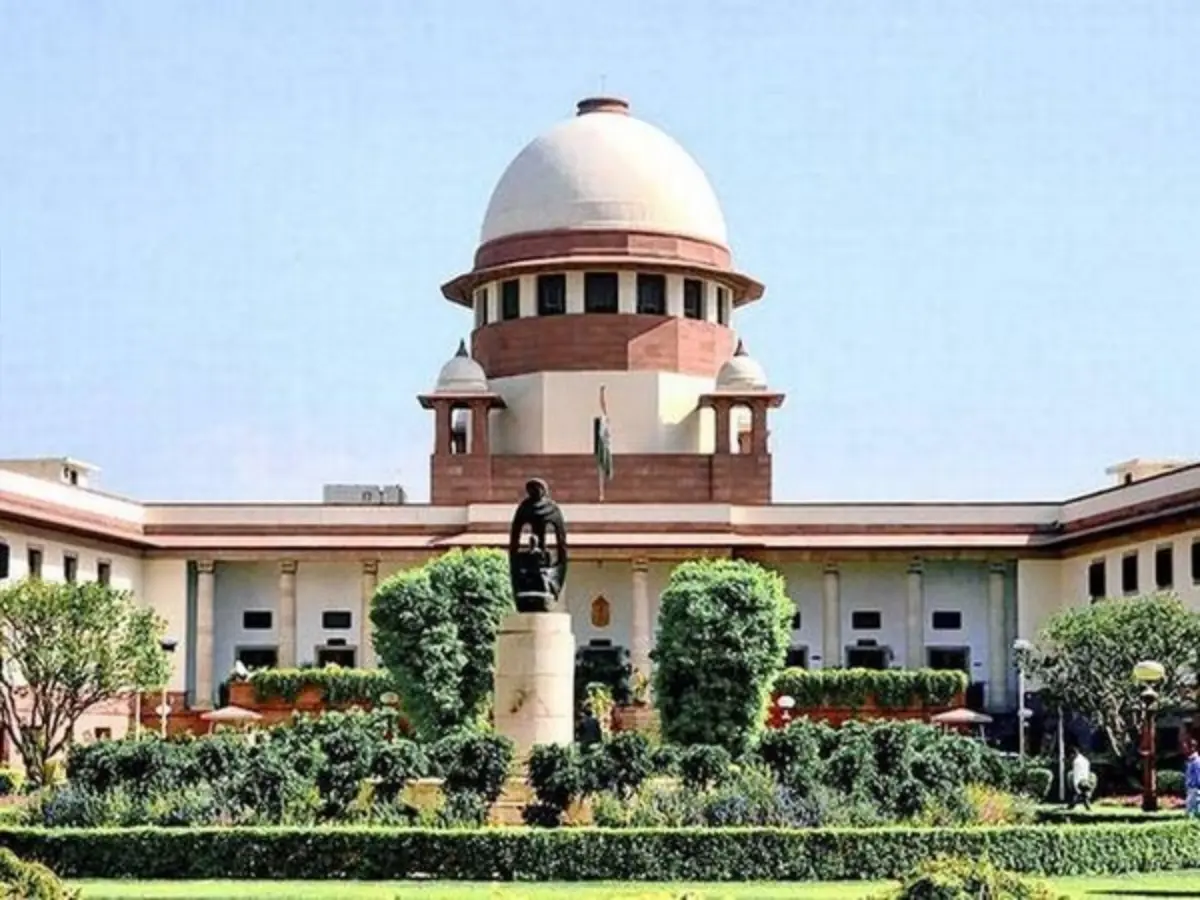
&imwidth=800&imheight=600&format=webp&quality=medium "Timelines cannot be given to Governors to clear bill, curbing their powers 'unconstitutional': Supreme Court")
In a major verdict, the Supreme Court on Thursday (Nov 20) delivered its judgment on the reference made to it by President Droupadi Murmuunder Article 143 of the Constitution, seeking clarification on the Court's April 13 ruling regarding deadlines for Governors to act on bills passed State legislatures. Pronouncing the judgement, Chief Justice of India BR Gavai said that timelines cannot be fixed for governors to grant assent to the bills. However, it also added that Governors can't hold bills indefinitely. The top court added that curbing the powers of Governors is “unconstitutional.”
The CJI clarified that not every case requires judicial directions, as intervention depends on the circumstances. He reiterated that a Governor has three constitutional options regarding a Bill: to grant assent, withhold and return it to the Assembly, or reserve it for the President and that the Governor exercises discretion in choosing among them. While the discharge of these functions is generally not justiciable and courts cannot enter into their merits, prolonged, unexplained, or indefinite delay can justify limited judicial intervention, and the same applies to the President. Although there is an absolute bar on judicial review of the Governor’s and President’s decisions at the Bill stage, constitutional courts may act in cases of persistent inaction.
The bench held that it is not appropriate for courts to prescribe timelines for constitutional authorities, and the President need not seek advisory opinion under Article 143 each time a Bill is reserved. The Court further emphasized that neither the Governor’s nor the President’s powers can be substituted using Article 142, ruling out any concept of deemed assent and confirming that the Governor’s assent cannot be judicially supplanted.

