Time to tell China, border aggression and business don't go hand in hand

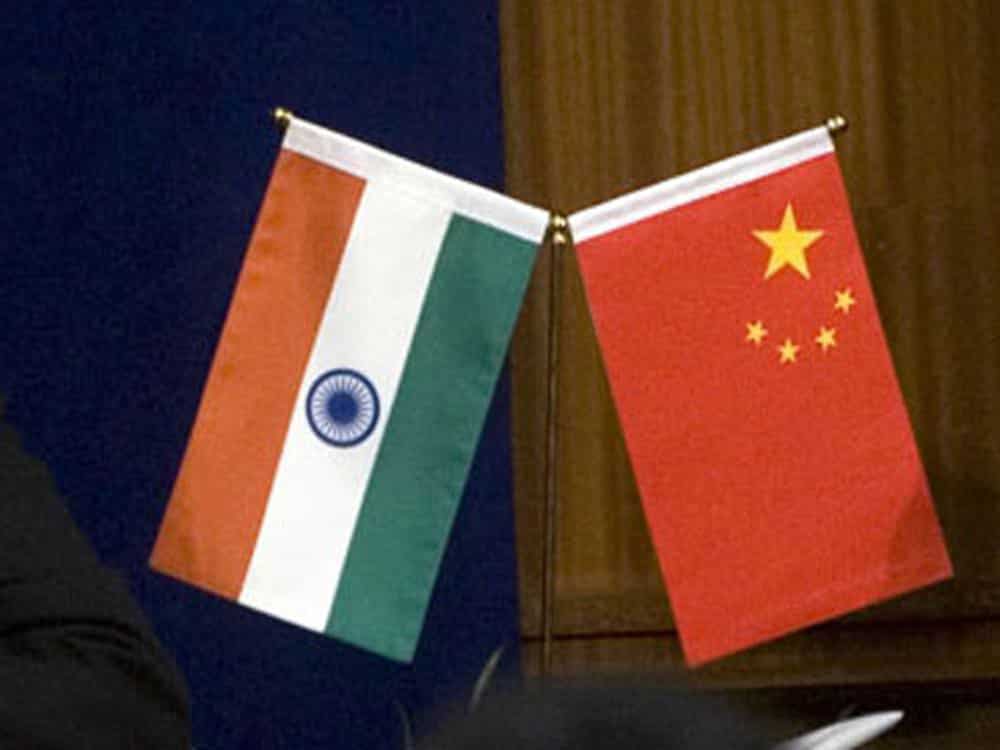
China built village inside disputed territory with India's Arunachal Pradesh: US
Last night, we had our eyes on Moscow. The city was hosting a high-level meeting.
The meeting is over, a joint statement is out. But nothing has changed on the ground.
The foreign ministers of India and China, they spoke for 150 minutes. The meeting went late into the night. But China hasn't agreed to mend its ways. It is yet to commit to a deadline for de-escalation. The talks took place on the sidelines of the SCO's foreign minister's summit.
SCO is Shanghai Co-operation Organisation. It is an economic and security alliance created by China. Foreign Minister Dr. S Jaishankar was representing India while Chinese foreign minister Wang Yi was Beijing's man at the SCO.
After the meeting, they issue a joint statement. Both sides agreed to a 5-point course of action to de-escalate.
Here are the 5-points:
- India and China will abide by the consensus between Prime Minister Modi and President Xi Jinping-- to not allow differences to become disputes.
- India and China will continue their dialogue, quickly disengage, maintain proper distance and ease tensions.
- They'll abide by existing agreements and maintain peace and tranquility at the border.
- The dialogue between the special representatives for boundary talks will continue. Here, India will be represented by Ajit Doval. Wang Yi will represent China.
And finally,
Point no 5: An agreement to work towards new confidence-building measures.
The good old CBMs. Remember how many times the term came up vis-a-vis Pakistan?
It's diplomatese, which means, the talks concluded with the decision to talk more.
That's the long and short of the statement. It doesn't answer the fundamental questions
Has China agreed to completely disengage from the LAC?
When will China pull back its troops?
Will Beijing settle the boundary dispute for once and for all?
The statement doesn't say and the commitment from China is vague. There are no deadlines, no framework. This leads to another question.
Is China even serious about the disengagement?
The Chinese Ministry of Foreign Affairs released a document on the issue. It reportedly says that India doesn't want the border issue to affect bilateral ties.
We have the exact quote.
"Indian side does not consider the relations to be dependent on the settlement of the boundary question"
Either the Indian message was lost in translation or the Chinese want to deliberately twist it.
Where did China get this from?
Apparently from India's External Affairs Minister S Jaishankar!
A report from China's state newswire service Xinhua quotes Jaishankar and says,
The external affairs minister said that India does not consider the development of India-China relations to be dependent on the settlement of the boundary question
Meanwhile, the Global Times has reduced this border standoff to a cook-off
A video has been tweeted by the Editor of Global Times.It shows drones delivering hot meals to Chinese soldiers at the border.
And they didn't like it when the world says their army is full of spoilt single brats. We just hope they are not being served bat soup.
As for India, it's working on the strategy forward. The challenge cannot be undermined. China's border provocation is perhaps the most serious military challenge that India has faced in decades.
The clashes in Galwan and the events of this week have proved that it cannot be business as usual with China.
What should Delhi do?
Draw the red lines. Make specific pre-conditions for normalising ties.
We have a list of three
- Restoration o Status Quo Ante on the border. Chinese troops should move to the positions they held before May.
- A time-bound withdrawal of Chinese troops. Specify the deadline. The endless rounds of talks have not helped the situation.
- Define the boundary
The issue of this border must be settled once and for all. Otherwise there will always be a risk of more military adventurism from China.
India must weaponise its market. It won't be easy. It won't happen overnight. But it's the only way. China only understands the language of strength. India must stand its ground.
India should make de-escalation a precondition. Otherwise, it cannot be business as usual.
We've done this with Pakistan.
Talks and terror don't go hand in hand.
Time to do the same with China. Border aggression and business don't go hand in hand.