

&imwidth=800&imheight=600&format=webp&quality=medium "Delhi protest: SC to hear plea against opposition leaders’ detention in special Sunday sitting")
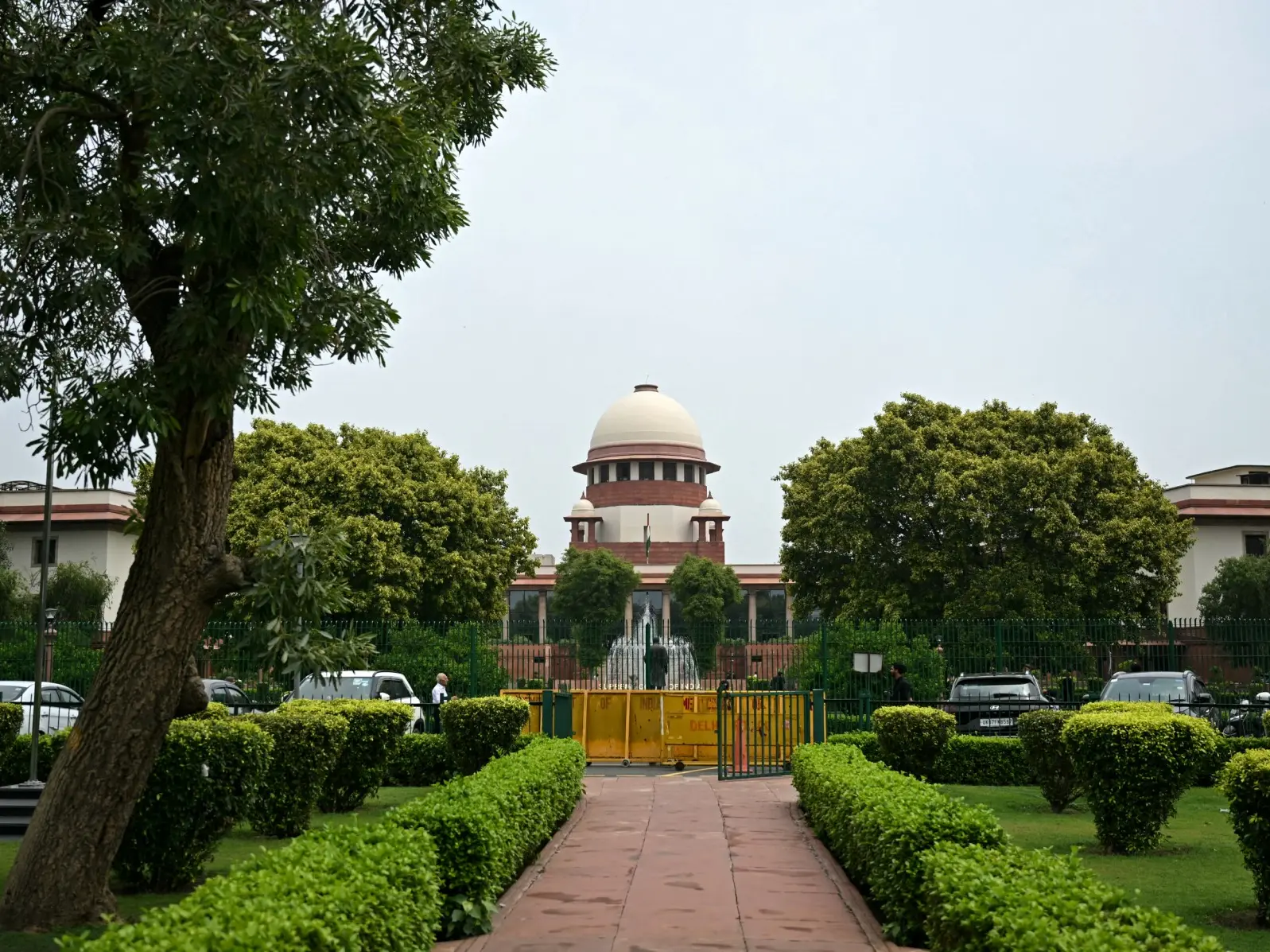
Supreme Court will hold a special sitting on Sunday, October 11, to hear a plea challenging the preventive detention of opposition leaders, including four former chief ministers, during protests in Delhi against CEC Gyanesh Kumar. The petition, filed by Trinamool Congress MP and senior advocate Menaka Guruswamy, argues that preventive detention cannot be used to suppress the fundamental right to peaceful protest.
A bench of Justices Joymalya Bagchi and V Mohana will convene to address the matters, which ordinarily would not be heard on a Sunday when the apex court is closed.
According to Menaka Guruswamy, such preventive detention is being misused to suppress peaceful democratic dissent, particularly against leaders who have previously governed States. The case will be heard along with a separate contempt of court petition alleging that Delhi Metro stations remained closed on October 10, despite the Court's October 9 order against a complete shutdown of public transport ahead of the protests.
The contempt of court petition was filed by advocate Shailendra Mani Tripathi against Union Home Secretary Govind Mohan, Delhi Police Commissioner Anurag Kumar, and DMRC Chairperson D. Thara. The Delhi Metro Rail Corporation (DMRC) initially ordered the total closure of 57 stations ahead of the protests; however, after a bench led by Chief Justice Surya Kant directed authorities to regulate rather than prohibit traffic, warning them “not to use a hammer to kill a fly”, the DMRC officially revised its directive, reducing the number of affected stations to 45.

