SBI submits electoral bonds data to Election Commission following Indian SC's censure

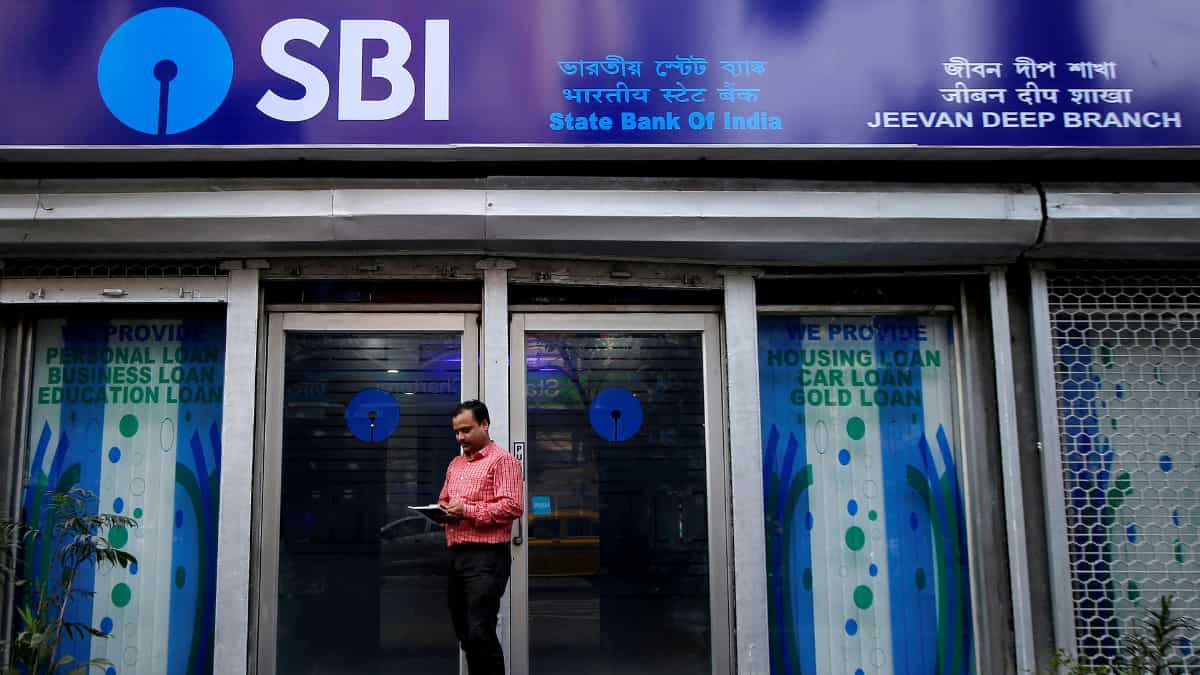
State Bank of India (SBI)
The State Bank of India (SBI) diligently submitted electoral bond data to the Election Commission of India (ECI) on Tuesday (March 12), as mandated by a stern directive from the Supreme Court.
The Chairman and Managing Director of the bank also provided an affidavit, affirming their adherence to the court's order.
This crucial information, pertaining to electoral bonds, will be compiled and disclosed by the poll panel before 5 pm on Friday (March 15), in accordance with the court's specific timeline.
The SBI has issued Electoral Bonds worth Rs 16,518 crore in 30 tranches since the inception of the scheme in 2018.
The Supreme Court on Monday (March 11), dismissed SBI's plea seeking an extension of the March 6 deadline for releasing the data.
Chief Justice DY Chandrachud, leading the bench, expressed strong disapproval of the bank's willful disobedience of orders and issued a warning of contempt proceedings if the stipulated deadline was not met.
While refraining from immediate contempt jurisdiction, the court emphasised that the SBI must comply with the specified directions and timelines, cautioning that contempt proceedings might ensue otherwise.
The bank had argued that the process of collecting, cross-checking, and releasing the data, stored in two confidential silos, required more time. It pleaded for an extension until June 30, well beyond the general election.
In response, the Supreme Court pointed out that donor details were accessible at the SBI's Mumbai branch and asserted that the bank merely needed to "open covers, collate details, and provide information."
In a landmark verdict last month, the Supreme Court declared the electoral bond scheme unconstitutional, citing a violation of citizens' right to information. The SBI had been specifically directed to disclose the data by March 6, with the Election Commission slated to make this information public by March 13.
Watch:Electoral Bonds Case: Indian Supreme Court rejects SBI's plea
The recent developments underscore the judiciary's commitment to ensuring transparency and compliance with legal directives in the electoral process.
Introduced as an alternative to cash contributions to political parties, electoral bonds were intended to improve transparency in political funding.
These bonds were designed to be exclusively redeemed by eligible political parties through a designated bank account, with the State Bank of India (SBI) being the sole authorised bank for issuing such bonds.
(With inputs from agencies)