

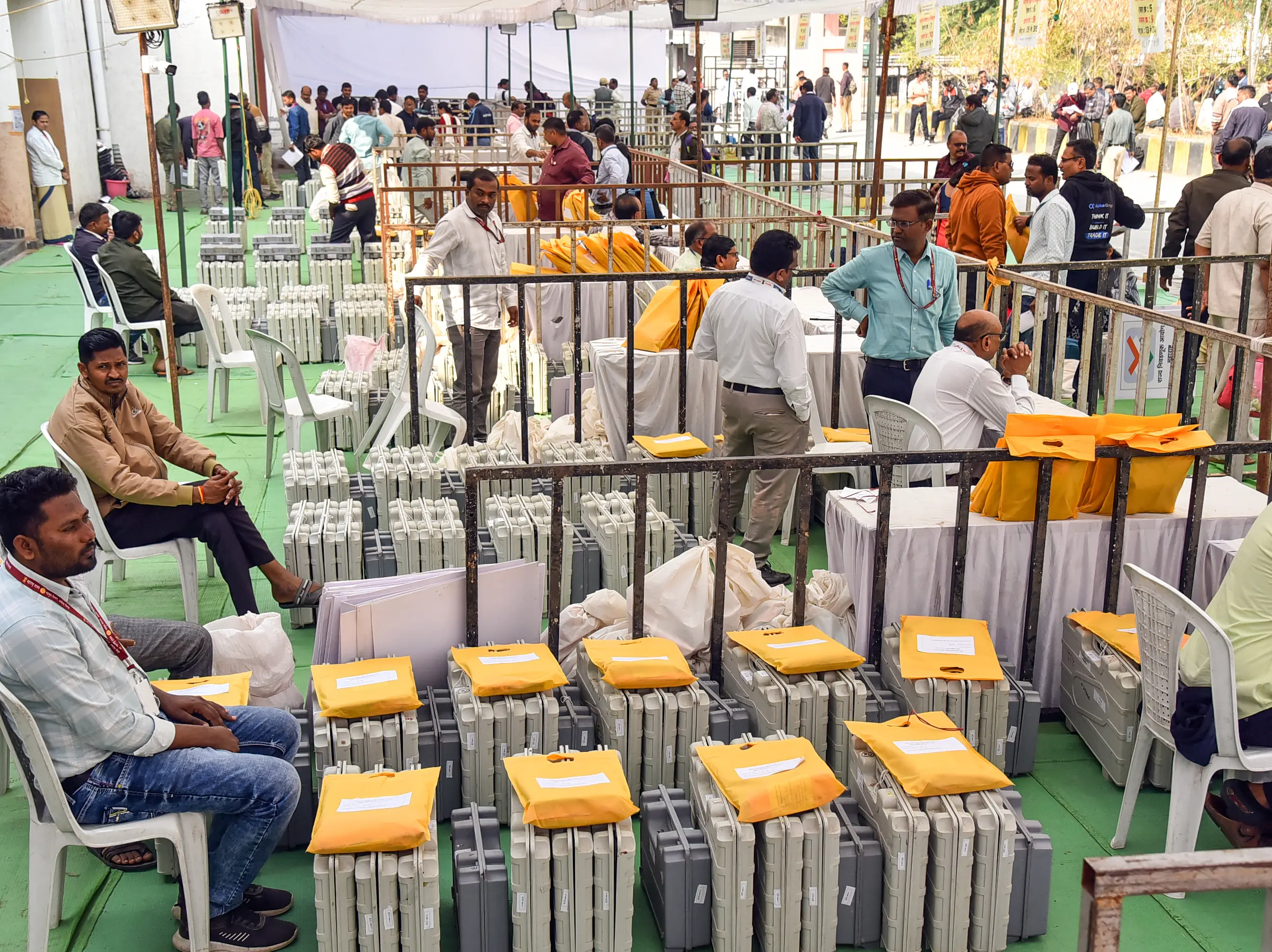
&imwidth=800&imheight=600&format=webp&quality=medium "Mumbai’s real power contest: Why the 2026 BMC election is a political game-changer")
For nearly three years, Mumbai, a city that never stops, has been running without an elected civic body. Decisions about roads, hospitals, schools and flooding were taken not by councilors chosen by the people, but by an administrator. That is why the Brihanmumbai Municipal Corporation election in 2026 matters more than ever. The BMC is not just another local body. It is the richest municipal corporation in the country, with a budget larger than several Indian states.
From fixing potholes to managing monsoon floods, from running civic hospitals to ensuring clean drinking water, the BMC quietly shapes everyday life in Mumbai. When it works, the city breathes easier. When it doesn’t, the impact is felt on every street and in every home. This election is also politically loaded. For decades, the BMC was seen as the backbone of the undivided Shiv Sena. Control of Mumbai meant control of power, money and influence. But Maharashtra’s politics has changed dramatically since the last civic polls in 2017.
Parties have split, alliances have shifted and old loyalties have been tested. The 2026 BMC election is the first real urban battleground where these new political equations will be put to the test. So why the long delay? The polls were stalled over issues like ward delimitation and the implementation of OBC reservation, following Supreme Court guidelines. Legal challenges and procedural hurdles kept pushing the election further away.
Meanwhile, Mumbai continued to be governed without elected representatives, a situation that many critics say weakened local accountability and democratic oversight. The absence of corporators meant no ward-level voices to flag local problems, question contracts or raise citizens’ concerns. Big decisions were taken, but without the everyday connect that elected representatives bring. For a city as complex and crowded as Mumbai, that gap was deeply felt. That is why these elections are about more than just who wins how many seats.
They represent a return to grassroots democracy in India’s financial capital. Voters are not just choosing corporators; they are reclaiming their right to question, demand and participate in how their city is run. In many ways, the 2026 BMC election is a referendum on governance itself, on transparency, accountability and the future direction of Mumbai. After years of waiting, the city is finally being heard again.
