Make allowances for his age: Congress after Mani Shankar Aiyar's 'alleged Chinese invasion' remark

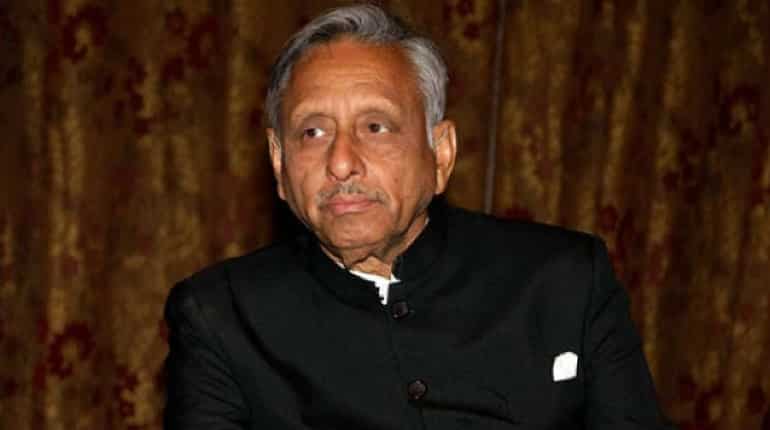
Mani Shankar Aiyar
Congress leader Mani Shankar Aiyar stoked yet another controversy when he referred to the Chinese invasion of sovereign Indian lands of 1962 as an "alleged Chinese invasion". In a video of an event at the Foreign Correspondents Club on Tuesday (May 28), Aiyar can be heard saying, "...in October 1962, the Chinese allegedly invaded India."
As uproar on social media followed, the Congress party subsequently distanced itself from Aiyar's comment.
Congress general secretary Jairam Ramesh said that Aiyar had subsequently apologised "unreservedly" for using the term "alleged invasion" "mistakenly", and that the party distances itself from the "original phraseology".
Jairam Ramesh also accused Prime Minister Narendra Modi of giving the Chinese side a "clean chit" for their incursions in May 2020.
In a brief statement, Aiyar said: "I unreservedly apologise for having mistakenly used the word ‘alleged’ before 'Chinese invasion' at the Foreign Correspondents Club this evening."
Meanwhile, the BJP IT cell chief Amit Malviya hit out at the Congress over Aiyar's remarks.
“Mani Shankar Aiyar, speaking at the FCC, during the launch of a book called Nehru's First Recruits, refers to the Chinese invasion in 1962 as 'alleged'. This is a brazen attempt at revisionism,” Amit Malviya wrote on X.
Also watch |India Elections 2024: The mother of all elections
"Nehru gave up India's claim on permanent seat at the UNSC in favour of the Chinese, Rahul Gandhi signed a secret MoU, Rajiv Gandhi Foundation accepted funds from the Chinese Embassy and published reports recommending market access for Chinese companies, based on them, Sonia Gandhi's UPA opened up Indian market for Chinese goods, hurting MSMEs and now Congress leader Aiyar wants to whitewash the Chinese invasion, post which the Chinese have been in illegal occupation of 38,000 sq km of Indian territory," he alleged.
What explains "Congress's love for the Chinese?" Malviya asked.
Jairam Ramesh, in a post on X, said, "Allowances must be made for his (Aiyar's) age. The INC distances itself from his original phraseology."
(With inputs from agencies)