
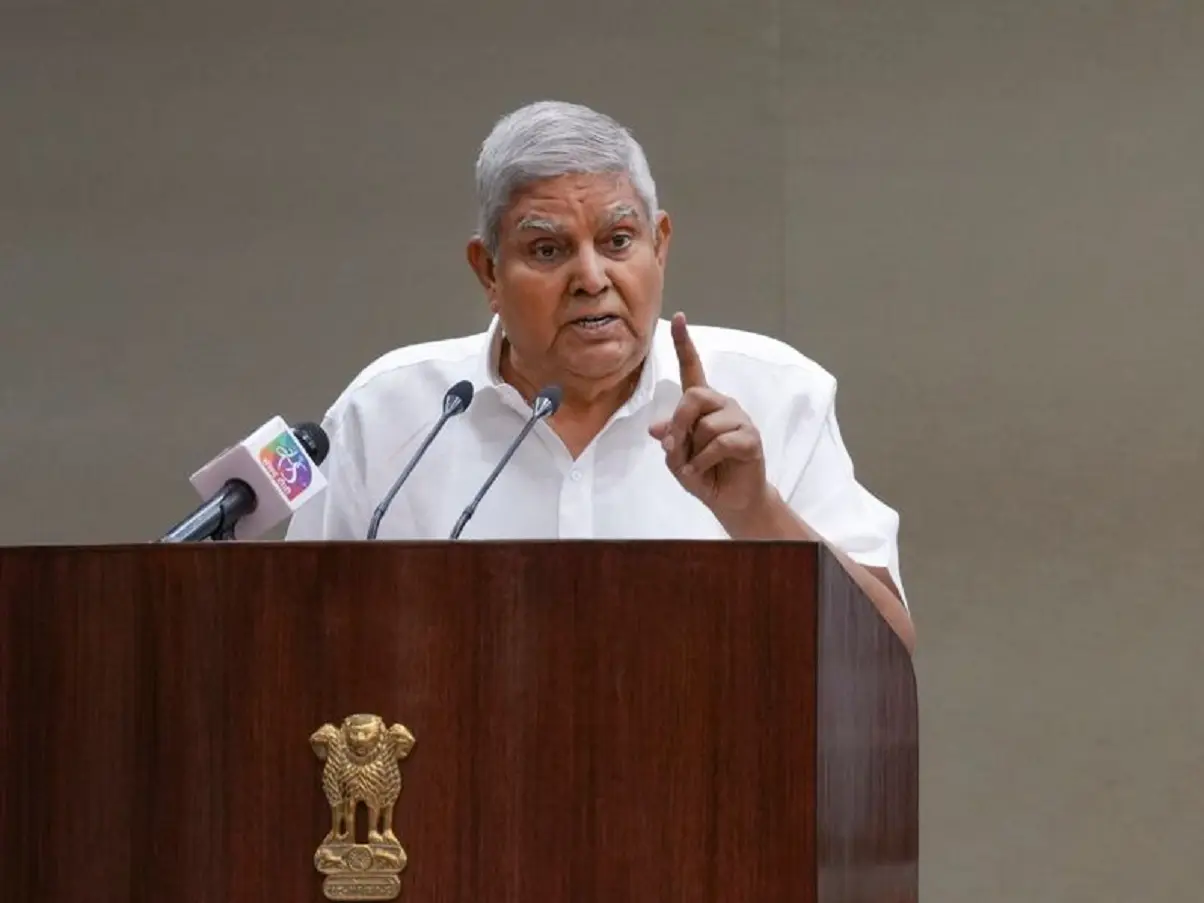
&imwidth=800&imheight=600&format=webp&quality=medium "Jagdeep Dhankhar’s meteoric rise: From a boy who walked 4-5 km to school to V-P of world’s largest democracy")
Jagdeep Dhankhar resigned from his post as Vice President of India on Monday, citing health reasons and medical advice, just hours after he chaired the first day of the Monsoon session in the Rajya Sabha. In his resignation, Dhankhar expressed gratitude to President Droupadi Murmu, Prime Minister Narendra Modi, and the Union Cabinet of Ministers.
By tendering his resignation, Dhankhar became the seventh vice president to step down before completing the full five-year term.
Born on May 18, 1951, in Kithana village of Rajasthan’s Jhunjhunu district, Dhankhar had his early education from Class 1 to 5 in the village primary school. He then took admission in the Government Middle School, Ghardhana, 4-5 km away and walked to the school daily with other village students.
He then got admission to Chittorgarh Sainik School on a full merit scholarship and passed the Indian School Certificate Examination recognised by Cambridge University.

After his graduation and law, Dhankar got enrolled with the Bar Council of Rajasthan and began his professional career as an advocate in 1979. Ten years later, in 1989, he got elected to the 9th Lok Sabha from the Jhunjhunu Parliamentary Constituency and became Union Minister of State for Parliamentary Affairs in 1990 in the Chandra Shekhar government.
Dhankar then got elected as an MLA from Rajasthan’s Kishangarh constituency in Ajmer in 1993.
He also served as Governor of West Bengal from 30 July 2019 to 18 July 2022.
Trending Stories
)
New Zealand farms shift to carbon forests: Carbon credits fuel a land rush reshaping rural life
)
Report: Zelensky meets CIA chief Ratcliffe at Shannon airport, weeks after his secret Moscow trip
)
Samay Raina-Mukesh Chhabra controversy explained: What happened over girlfriend joke on India's Got Latent?
)
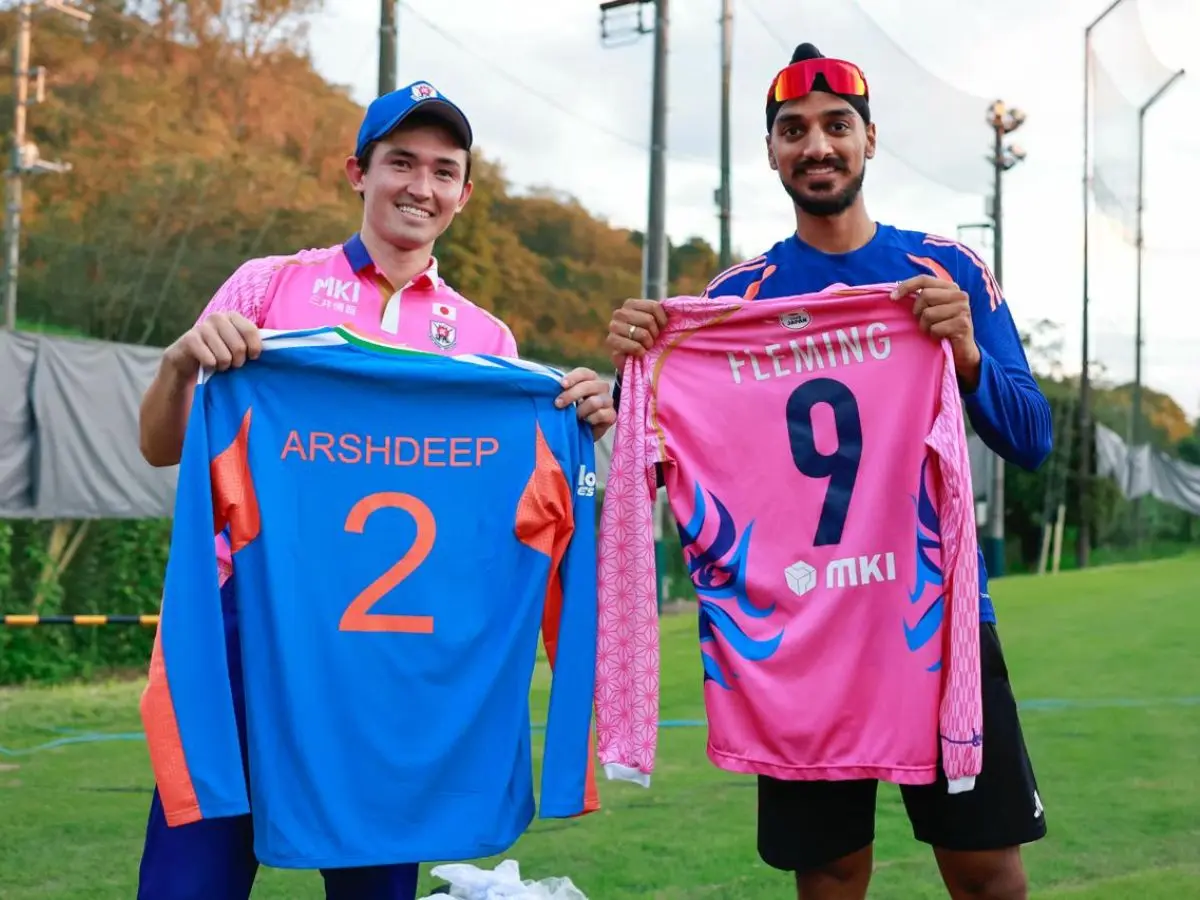
IND vs JPN one-off T20I: India survive scare from Japan to win five-over a side match by 2 runs
)
Explainer: Why rare-earth export licences and Board of Trade are US priorities ahead of Trump-Xi summit
)
Pilot recreates Mona Lisa in sky over Oklahoma and Arkansas in four-hour flight: VIDEO
)
Anti-AI activists storm summit, say 'incompetent' leaders are leading us into a disaster - 'We need a vote'
)
Putin's United Russia party wins 355 seats in Duma election; 4 other parties cross threshold to enter parliament
)
Saudi Arabia exits China-led mBridge digital currency platform amid Saudi-Houthi conflict
&im=FitAndFill=(700,400))
Anant Nag to recieve Dadasaheb Phalke Award: From Ankur to Nishant- Revisit his best films and iconic performances on OTT
)
$110 billion Warner Bros merger: Paramount reaches settlement with 12 US states
)
FIFA chief Infantino wants to reform governing body with consultation from federations
)
'Lot of things to learn from experienced players': Jayasuriya backs Rohit, Virat for 2027 ODI World Cup
)
From ‘communist’ to ‘great mayor’: Trump praises Mamdani after New York meeting, discusses immigration and housing
)
AI models chose to harm humans to stop ‘pain,’ alarming study raises fresh safety questions
)
Key accused in Bihar's Jamui molestation case, arrested after police shoot him in leg
)
UK PM Burnham agrees to 'defensive' military support for Saudi Arabia against Houthis
)
Who is Clavicular? The 20-year-old controversial 'Looksmaxxing' influencer charged with rape allegations
)
Microsoft executive called AI training the ‘largest theft of labour in human history’
)
J&K Assembly Session begins amid chaos: BJP, ruling alliance clash as statehood demand dominates
)
US and China vie for AI dominance as calls grow for regulation | Gravitas
)
'Needs time away from the international scene': England white-ball captain Brook on pacer Brydon Carse's future
)
Two infants die after fire breaks out at RIMS newborn care unit in Telangana's Adilabad
)
Trump's helipad event overshadowed by audio failure as major TV networks suspend pool coverage
)
IND vs JPN, one-off T20I: Japan captain Kendel on pushing India to the brink - ‘It was special’
)
Raaka creates history! Allu Arjun’s film secures Guinness World Record ahead of release
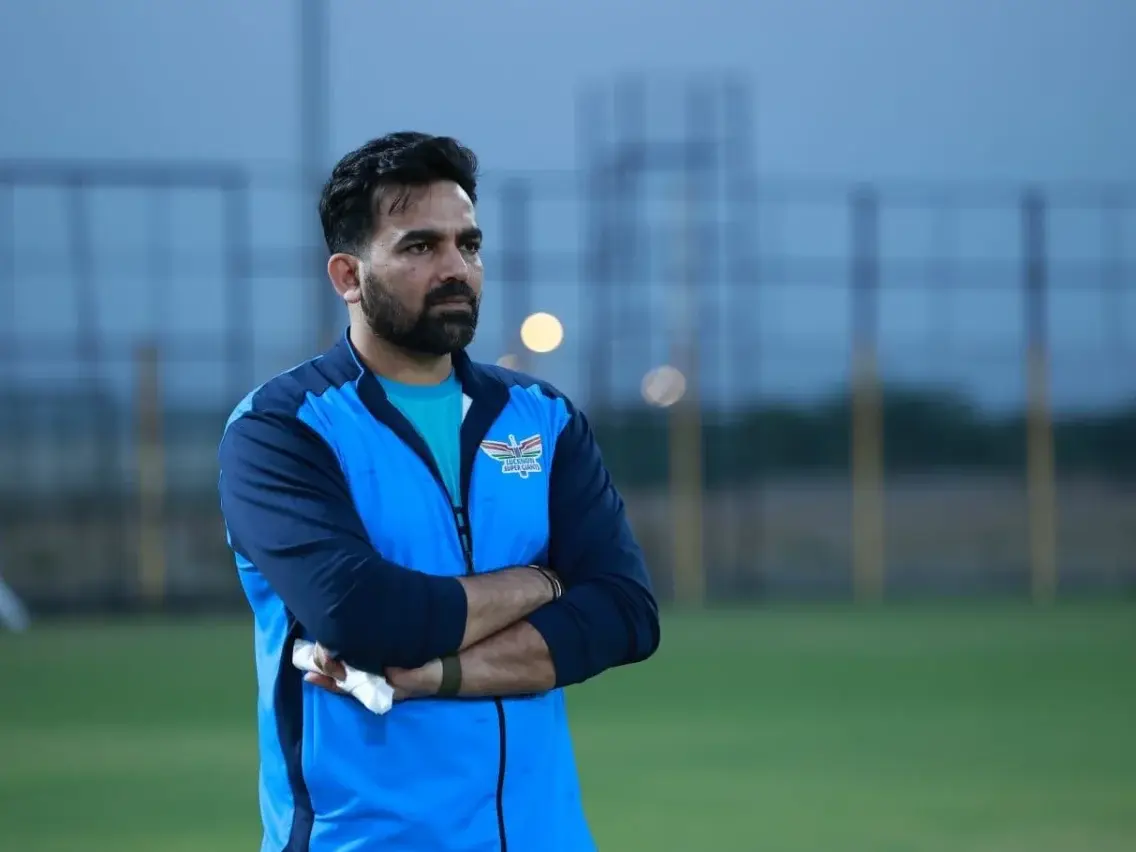)
How Zaheer Khan came to be CSK's head coach of IPL 2027
)
40-foot waves crash into cruise ship in dangerous stretch near Antarctica. Watch
)
UK banks are rethinking financial crime detection because of algorithm
&im=FitAndFill=(700,400))
New OTT releases this week (September 21-27, 2026): Shaque: Trust No One, Hunkkaar, Don’t Be Shy- 5 new titles coming to Netflix, Prime Video and more
)
Asian Games 2026: India women's cricket team beats Sri Lanka by 147 runs for first gold
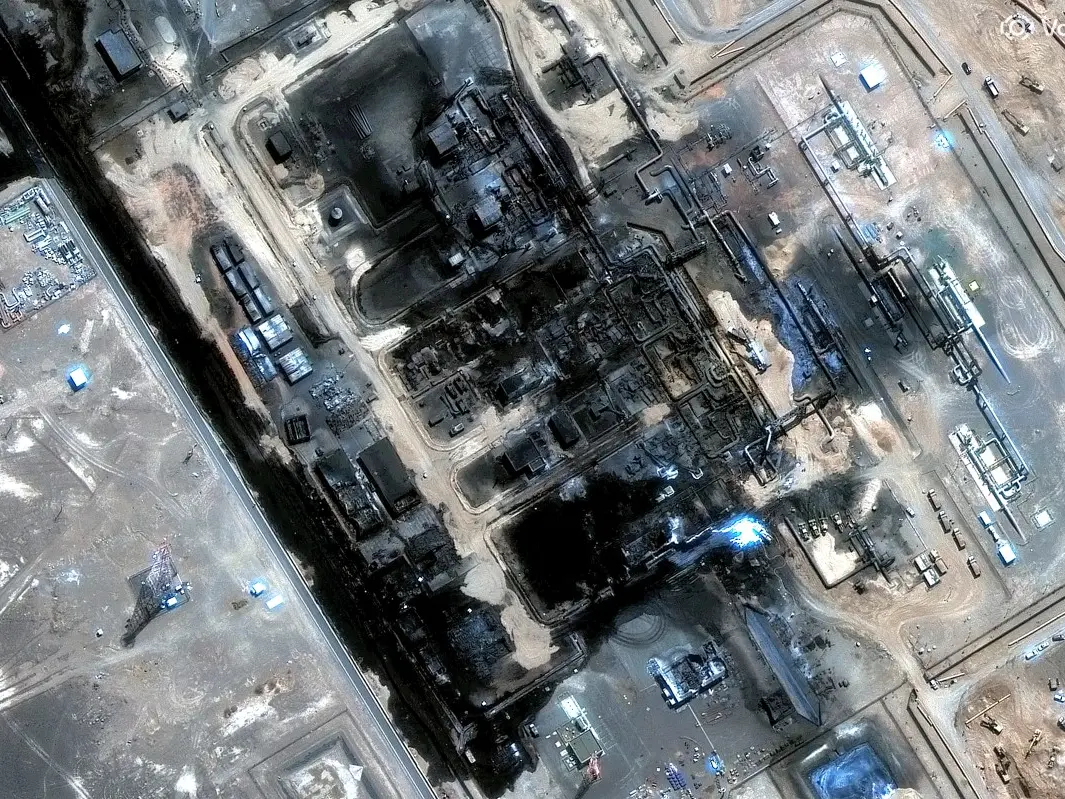)
Oil slips to $98 as Saudi Arabia restarts East-West oil pipeline
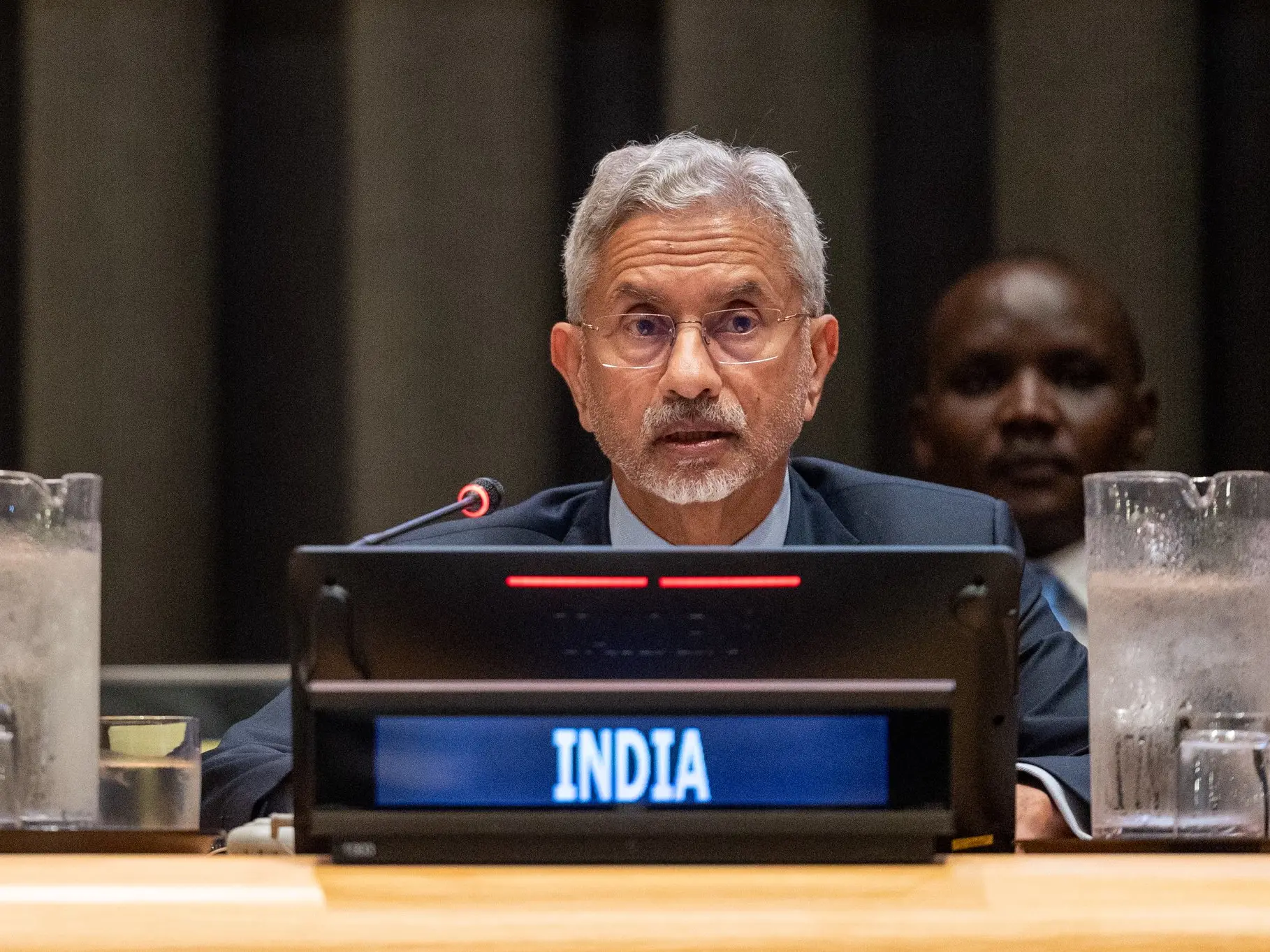)
India at UNGA81: Jaishankar warns global order under 'growing stress', pushes for ‘reformed multilateralism’
)
Jailer 2: Vidya Balan joins Rajinikanth's upcoming film as Kantha | Watch
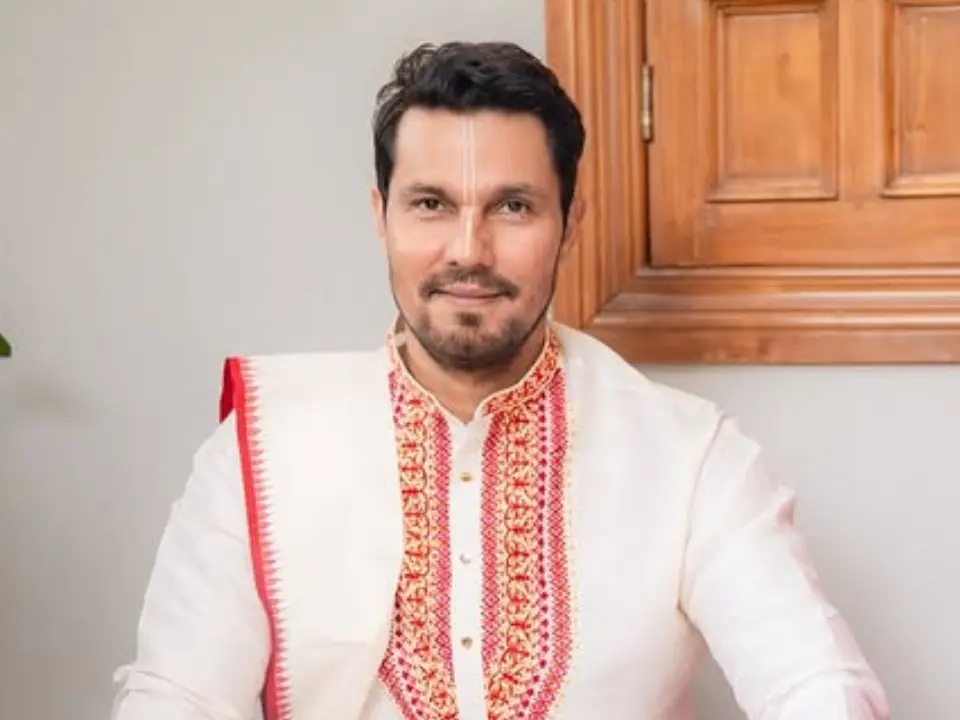)
Randeep Hooda arrives in Gujarat for his first National Film Award: ‘Very grateful’
&im=FitAndFill=(700,400))
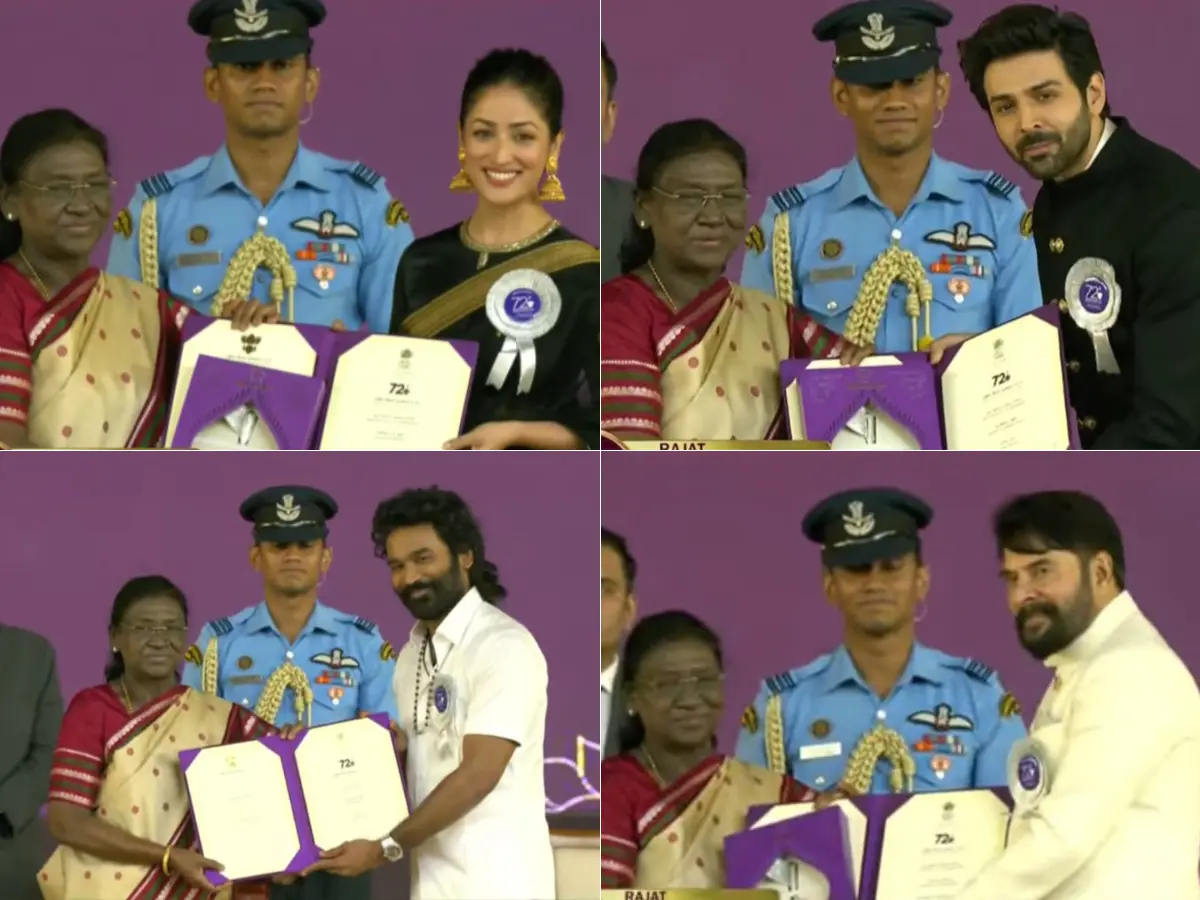
National Film Awards 2026: Kartik Aaryan, Mammootty, Yami Gautam, Randeep Hooda and other key winners
)
Indonesian groups sue govt over wildfires as haze crosses borders, nearly 900,000 hectares burned
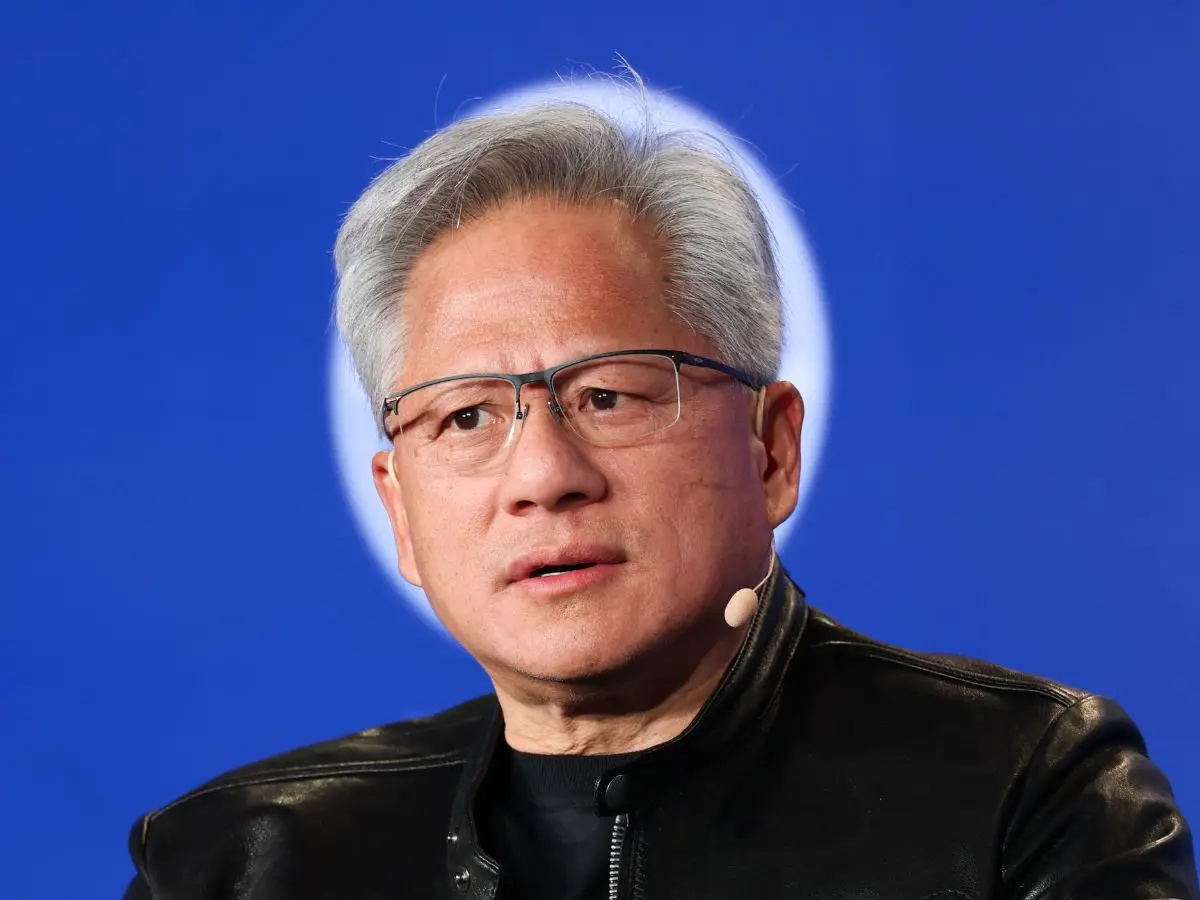)
‘0% chance’: Nvidia CEO Jensen Huang dismisses AI extinction fears by 2030
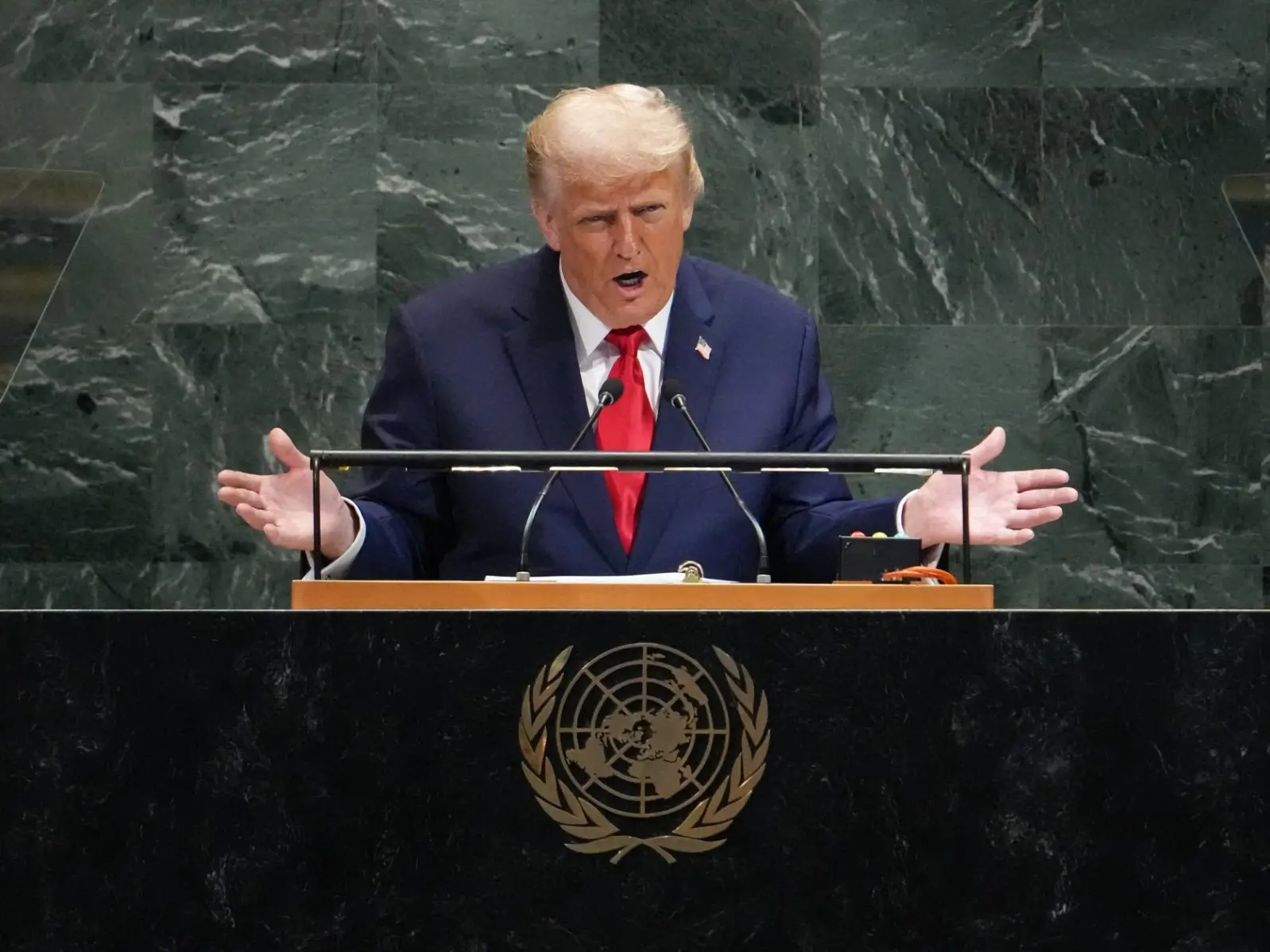)
US-Iran war, peace deals and more: What to expect from Trump's UNGA 2026 speech
Dhankhar won the election for Vice President as the NDA candidate by a record margin, polling 528 votes out of 710 as he defeated opposition candidate Margaret Alva in the August 6, 2022, election. It was the largest winning margin in a vice-presidential race since 1992.
He was designated as a Senior Advocate by the High Court of Judicature for Rajasthan from March 27, 1990, and was practising primarily in the Supreme Court.
‘Parliament is supreme’
However, Dhankhar has been critical of the judiciary in recent times and asserted that “Parliament is supreme”. He criticised the Supreme Court for setting a timeline for the President and Governor to sign bills passed by state governments and said, “So, we have judges who will legislate, who will perform executive functions, who will act as a super Parliament and have absolutely no accountability because the law of the land does not apply to them.”
Dhankhar also said he hoped an FIR is registered with regard to the recovery of a stash of cash at a judge’s official residence in New Delhi in March. He said, “I am a concerned man. Whether this is an incident in isolation or there are other similar incidents.”
“I do hope an FIR will be registered. We must go to the root of the matter. Our judiciary, in which people’s faith is unshakable, its very foundations have been shaken.”
Dhankhar said equality before the law means every crime must be investigated. “If the money is so huge in volume, we have to find out: is it tainted money? What is the source of this money? How was it stocked in the official residence of a judge? It belonged to whom?”
“So far, there has been no FIR. The government at the central level is handicapped because an FIR cannot be registered in view of a judgment of the Supreme Court rendered in the early ’90s,” he added.

