India's G20 Presidency: Leveraging trade opportunities amid global uncertainty

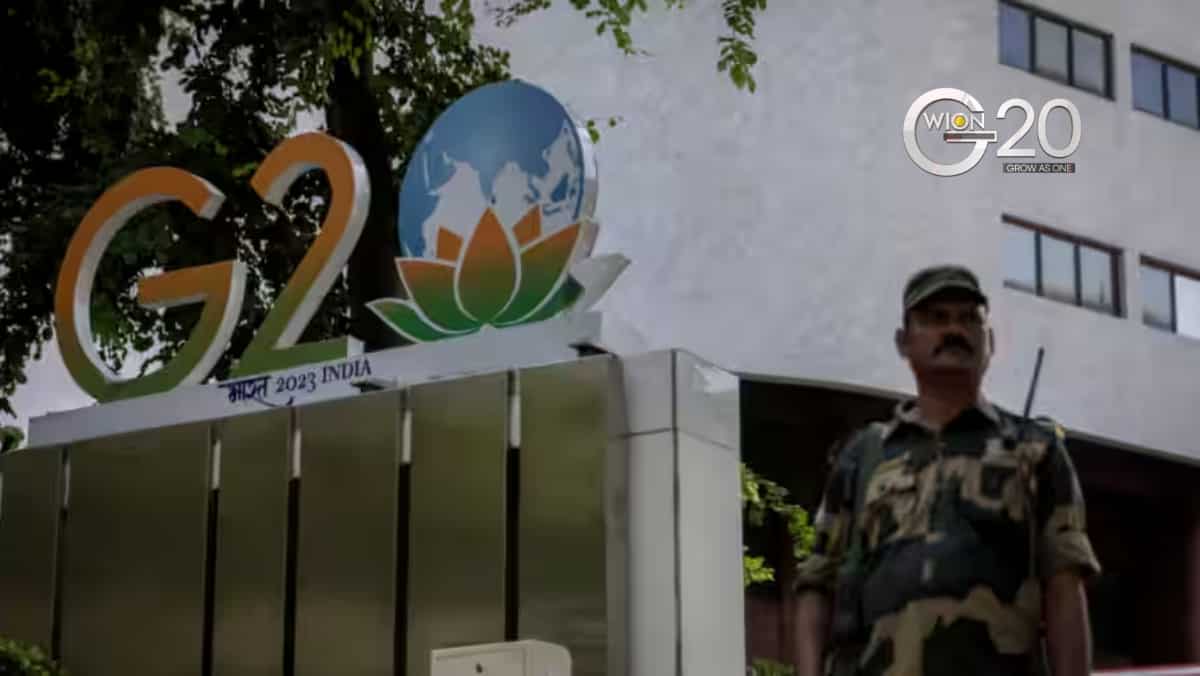
G20 Summit
As India assumes the presidency of the G20, it finds itself at the center of global trade discussions, representing 43 member countries that collectively account for 85% of the global GDP, 75% of world trade, and two-thirds of the global population. This position offers both opportunities and challenges, with India aiming to capitalise on the global stage while addressing the pressing issue of rising food prices in the aftermath of the Russia-Ukraine conflict.
Leveraging India's G20 Presidency
Raymond E. Vickery, Former US Assistant Secretary of Commerce for Trade Development and Senior Associate at the Center for Strategic and International Studies, sees India's G20 presidency as a tremendous opportunity. He emphasises that India can become a beacon of hope in a world grappling with protectionism tendencies, with many Western nations increasingly looking inward. India's commitment to multilateralism in trade can help restore faith in institutions like the World Trade Organization (WTO), which are in dire need of strong leadership.
One notable trend Vickery highlights is "Friendshoring," where supply chain networks focus on countries considered political and economic allies. With many countries having strained relations with China, India's diplomacy can play a crucial role in fostering trade partnerships and strengthening its global trade ties.
Addressing rising food prices
The Russia-Ukraine conflict has triggered a global crisis in the aftermath of rising food prices, disrupting food supply chains and raising concerns about food security and inflation. Vickery points out that India can take the lead in addressing this issue during its G20 presidency.
He highlighted the G20 Technical workshop on climate-resilient agriculture conducted in Hyderabad, where the first item on the agenda was to somehow restore the grain agreement deal between the UN, Turkey, and Russia. This deal is a lifeline for many countries, particularly in Africa. However, with Russia's reluctance to revive the agreement, India can step in to show leadership, leveraging its influence as a leader of the global south.
In addition to reviving critical agreements, Vickery suggests that India can play a pivotal role in promoting sustainable production of grains and leveraging its expertise in information technology to ensure fluidity and transparency in grain markets. India's IT capabilities can contribute to solving logistics challenges and promoting efficient global food distribution.
G20's vision for WTO reforms
The G20 has reaffirmed the importance of a rules-based, transparent multilateral trading system, with the WTO at its core. Ten guiding principles, including promoting sustainable development, strengthening the multilateral trading system, and fostering digital trade initiatives, have been outlined.
Vickery acknowledges that the WTO is currently at a standstill, partly due to a lack of conviction in dispute resolution, with some blame placed on the United States. He emphasises the need for quick resolutions and general respect for trade rules. The G20, in his view, is the ideal platform to push for WTO reforms, promote international trade, and bring consensus among its member nations.
As India takes the reins of the G20, it stands at the crossroads of economic opportunity and the challenge of food price volatility. The world watches eagerly for the path forward in global trade as India seeks to leverage its presidency for the benefit of the global economy and food security.
WATCH WION LIVE HERE