Indian, Japanese scientists in touch for COVID-19 solution, says Indian envoy to Japan

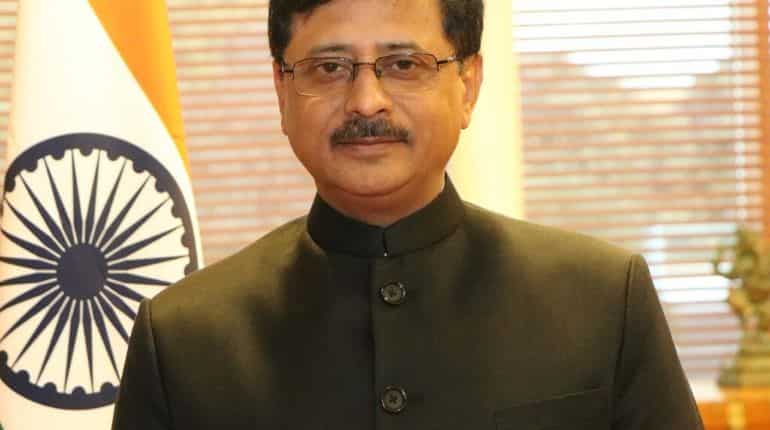
Indian envoy Sanjay Kumar Verma
Indian envoy to Japan Sanjay Kumar Verma has said that Indian and Japanese scientistare in touch with each other for a solution to the COVID-19 crisis.
Speaking to our diplomatic correspondent Sidhant Sibal, envoy Sanjay Verma saidJapanese PM Abe has "expressed his respectfor PM Modi for demonstrating leadership in the South Asian region such as by hosting summit by video conference".
He also spoke about how the mission has reached out to the Indian community who are strandedsaying no decision has been taken with regard for Indians nationals who want to go back to India and logistics and other arrangements still have to be put in place.
WION: How Indian mission is taking care of Indians in Japan.
Sanjay Kumar Verma: I would like to congratulateWION for doing a series of interviews with Indian envoys who are facing the brunt of COVID19 pandemic, trying to reach out the larger Indian diaspora everywhere in the world.
As far as Japan is concerned, it has close to about 40,000 Indians, resident here and the number had gone up by about 4000 last year itself.
Out of this number, 2000 are students who are pursuing there under graduations, post graduationsand doctoralcourses.
We are in regular contact with most of them, we have already publicisedour hotline number on our website and other social media handles and we are glad to inform you we are receiving the number of calls and emails from those Indians who have got any concern regarding the stay in Japan.
Our consulate general, in Osaka, is also doing the same and we do talk to each other often to keep our policy outreach and initiativesconvergent to each other.
Largely we are trying to tell our fellow citizens to avoid any panic or misinformation while following instructions of Japanese authorities and keep up with prescribedprecautions to protect themselves and maintain a good immunity of themselves.
Very recently, the ministry of Ayush has adoptedyoga and Ayurveda protocol to boost immunity and that is something that is practisedextensively by Indians and very many Japanese here. Video of PM Modi on yoga has attracted a lot of attention by Indians in Japanand many of them following routine and protocol as demonstrated by the honourable PM.
Various kinds of concern and it is not abnormal to have such concerns, many of them have already finished designated courses in universities and engineeringcolleges and they are eager to go back to India. Another category of Indians, who are temporaryresidents here and largely short term professionalsand visiting business personnel in addition to students and researchers who are facing restrictionsof travel and are unable to go back to India at the moment.
We are trying to extend as much help possible to them, including advise and logisticssupports as well. We have been able to talk to some of the vendors who have been able to subside accommodation. There has been anissue for some of them running out of medications they had brought from India.
We helped in that as well, on the basis of prescription they have been able to procure such medicines from the Japanese market. Also, many issues on visa extensions and we actively collaborated with Japanese authorities and we were able to get visa extensionseasily, and I am glad to share withyou, we do not know any Indian who has approached us for visa extension and has not been able to get it done.
So in general, there are Indian nationalswho have a concern and those concerns are taken care of. There are Indians nationals who want to go back to India but for that logistics and other arrangements have to be put in place only when the decisionin that respect is taken.
WION: How is the NRI community helping in the mission's efforts?
Sanjay Kumar Verma: Indians residing in Japan are actually the extensions of our helping hand to fellow Indians and I must put it on record that all Indian associations all over Japan have been proactiveand have been talking to us, have been liaisingwith us, thereby reaching to stranded Indians or Indians in difficulty or helping them out, whicheverway they can.
Such helping hands have been highly appreciated and we have been able to get them on virtual platformsand meet them on virtual platforms, talk to them. Decimateinformation, facts, and they takeit upon themself to decimate further to there members and that has worked very well and we happy to collaborate with Indian associations in Japan.
WION:How are India and Japan cooperating in the containment of COVID-19 crisis.
Sanjay Kumar Verma: India and Japan have the unique advantage of having a special strategic global partnership. We are working very closelyto address the humanitarian crisis emanating from COVID-19pandemic and to find ways to minimise the impact on our societies. and economies.
This has been done bilaterally, both PMs spoketo each other and exchanged notes and exchangeddetails of best practises which are being followed. That was done on April 10 and they exchanged notes again on the G20 platform and a lot of global consensus and challenges emerging out of COVID-19 pandemic.
PM Abe of Japan expressed his respectfor PM Modi for demonstrating leadership in south Asian region such as by hosting summit by video conference and establishing emergency fund besides expressing gratitudefor Indian govt'sassistance in facilitating the departure of stranded Japanesenationals in India and asked for our continues and continued cooperation in that respect.
We have earlier seen a situation in which many Indians nationals were crewmembers on luxurycruiselinerdiamond princess were evacuated from Japan. PM Modi thanked the Japanese govt for the assistance they providedfor the evacuationin February.
As far as the scientific communityis concerned, they are in regular touch for scientific and technological intervention that could be thought of in order tocontrol the situation better.
WION: What is India's view about the Japan model and have shared the Indian model?
Sanjay Kumar Verma: Japan model focuses on containment and suppression based on clusters and we can see from the data which comes out from Japanese officialsystems, it shows a good achievement and result and this has been able to restrict the number of cases in Japan which about 1/10th of India's population.
We have shared the best practiceswhich have been followed in India as well which has been receivedwith great appreciationby Japanese officials and leadership.
We have alsotalked about the traditionalIndian medicine practices in Ayurveda and traditionalIndian practices such as Yoga in order to increase the immunity of a person so that COVID 19 infection can be warded off. This has been received very well by the Japanese society at large.
Sidhant Sibal: How are Indian diplomats faring?
Sanjay Kumar Verma: Diplomats are the one who are most of the time at the frontline in such a situationand I am very glad to share that Indian embassy in Tokyo and the consulate general of India in Osaka have been doing whatever they can in order to secure the wellbeing of each and every Indian national in Japan.
We have been advising them, we have been facilitating them, we have been trying to find solutions to the problems, uniqueor collective and all these things have been able to make there lives in Japan easier. As far as diplomats in these 2 Indian missions are concerned, I have the only word of appreciation for all of them.
They have been helping out, both the govt and Indians nationals in Japan while maintaining and taking all the precautions that they are required to take to avoid getting infected themselves.
We hope that this helping hand will go a long way in comforting our nationals in Japan as well as in further solidifying the bilateralrelationship between Japan and India.