India may see second wave of COVID-19 outbreak in monsoon, say scientists

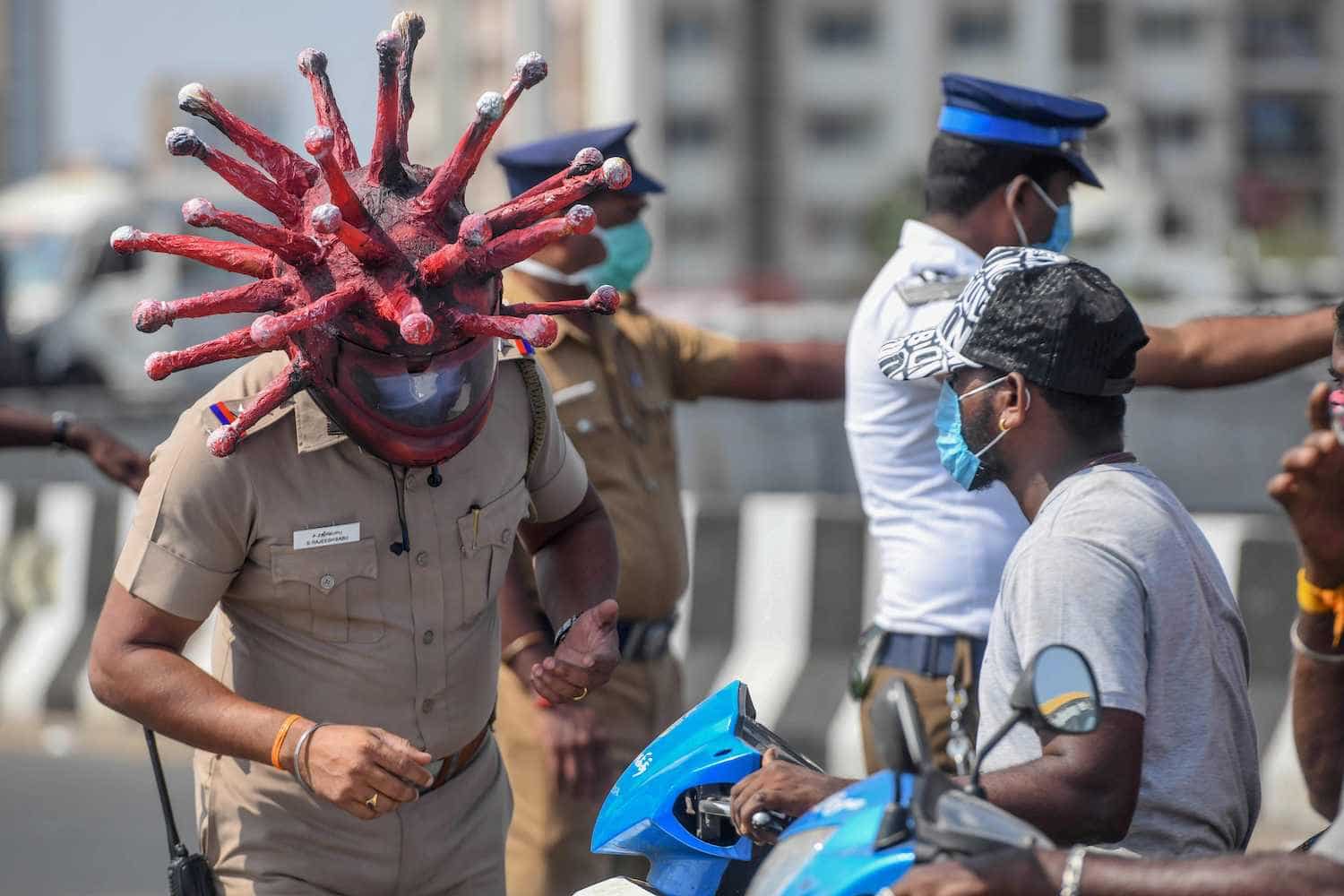
Coronavirus in India
The trajectory of coronavirus cases could have plateaued; but that's not it. India is likely to see a second wave in late July or August with a surge in the number of cases during the monsoon, scientists have said.
The timing of the peak will depend on how India is able to control physical distancing and on the level of infection spreads after restrictions are relaxed.
On March 25, when the number of coronavirus cases was 618 with 13 deaths, the government announced a nationwide lockdown that was later extended to May 3.
On Friday, the death toll due to COVID-19 rose to 718 and the number of cases to 23,077.
In their study unveiled this week, IISc and TIFR researchers analysed the impact of strategies such as case isolation, home quarantine, social distancing and various post-lockdown restrictions on COVID-19 that might remain in force for some time.
The study modelled on Bengaluru and Mumbai suggests the infection is likely to have a second wave and the public health threat will remain, unless steps are taken to aggressively trace, localise, isolate the cases, and prevent influx of new infections.
"Once we return to normal activity levels, there is a chance that infection may begin to rise again. China is seeing this to some extent post easing of some restrictions on travel," an expert told PTI.
A study published in The Lancet journal earlier this month modelled the potential adverse consequences of premature relaxation of interventions, and found it might lead to a second wave of infections.
The finding is critical to governments globally, because it warns against premature relaxation of strict interventions, the researchers said.
According to a recent analysis by the Harvard Chan School of Public Health, the best strategy to ease the critical care burden and loss of life from COVID-19 might be on-again, off-again social distancing.