India: Madras High Court directs placement of signs restricting non-Hindus in temple premises

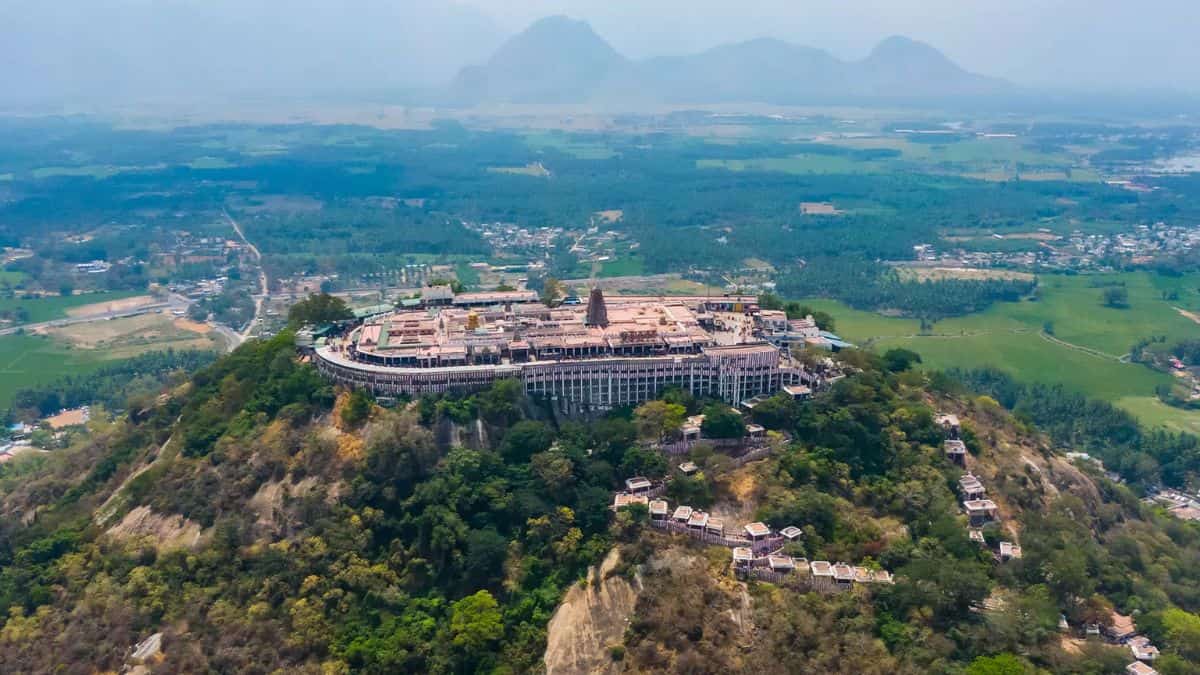
Arulmigu Palani Dhandayuthapani Swamy temple
The Madras High Court on Tuesday directed the Tamil Nadu government to place signs in all Hindu temples, explicitly stating that non-Hindus are restricted beyond the 'Kodimaram' (flagpole) area. It also said that Hindus have the fundamental right to profess and practice their religion.
Justice S Srimathy of the HC's Madurai Bench issued this judgement while considering a plea from D Senthilkumar, who sought exclusive access for Hindus to the Arulmigu Palani Dhandayuthapani Swamy temple in Tamil Nadu's Dindigul district and its sub-temples.
In addition to restricted access, the petitioner requested the installation of display boards at temple entrances conveying this limitation.
What would the boards say?
The court specified that the boards should indicate that "non-Hindus are not allowed inside the temple after Kodimaram."
Non-Hindus claiming access to a particular deity must provide an undertaking affirming their faith and commitment to Hindu customs, said the court.
"The respondents are directed not to allow the non-Hindus who do not believe in Hindu religion. If any Non-Hindu claims to visit a particular deity in the temple, then the respondents shall obtain an undertaking from the said non-Hindu that he has faith in the deity and he would follow the customs and practices of Hindu religion and also abide by the temple customs and on such undertaking the said non-Hindu may be allowed to visit the temple."
The judgement also stressed the importance of maintaining temple premises in accordance with rules and customs.
"The respondents shall maintain the temple premises by strictly following the agamas (temple rules), customs and practices of the temple," said the judge, as reported by PTI.
Further, rejecting the respondents' plea to limit the order to the Palani temple the court said: "But the issue raised is a larger issue and the same ought to be applicable to all Hindu temples, hence the plea of the respondents is rejected. As stated supra, these restrictions would ensure communal harmony among different religions and ensure peace in the society."
"Therefore the State Government, the HR&CE department, the respondents and all persons who are involved in temple administration are directed to follow the directions to all Hindu temples."
Alleged incidents that hurt Hindu sentiments
The court referred to incidents of non-Hindus allegedly entering temples and engaging in activities contrary to Hindu customs. This included reports of people bringing in non-vegetarian food into Arulmighu Brahadeeswarar Temple premises and bringing in "their sacred book" near the sanctumsanctorum of the Meenakshi Sundareswarar Temple.
"People belonging to other religions have the right to profess and practice their religion. But the customs and practice of their respective religion cannot be interfering with and any interference ought to be curtailed."
"The temple is not (a) picnic spot or tourist spot. Even in Arulmighu Brahadeeswarar Temple, Thanjavur the other religion people are allowed to admire and appreciate the architectural monuments of the temple, but not after Kodimaram."
"While admiring the architectural monuments the people cannot use the premises as picnic spot or tourist spot and the temples premises ought to be maintained with reverence and as per agamas. Therefore, the rights guaranteed under the Articles are not granting any right to the respondents to allow the other religion people if they do not have any faith and belief in the Hindu religion. Moreover, the rights are guaranteed to all religions and there cannot be any bias in applying such rights," said the court.
It emphasised the need to protect the fundamental rights guaranteed under the constitution and ensure the sanctity of Hindu temples.
"In fact, in the above-narrated incidents the Department had failed to protect the fundamental rights guaranteed under the constitution," said the court.
(With inputs from agencies)

