India worried over surge in imports from China, it might hit Aatmanirbhar Bharat: Report

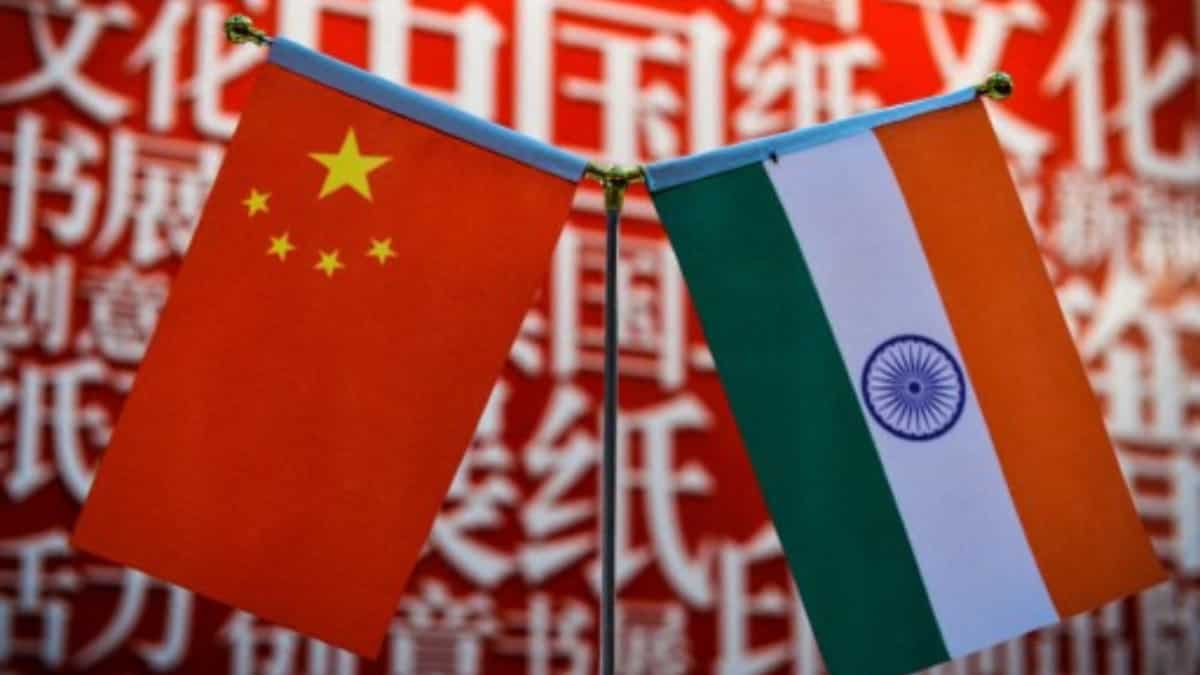
India China
A Hindustan Times report says that the Indian government is concerned about a surge in imports of Chinese finished goods as they are hurting its Aatmanirbhar Bharat initiative. People in the know told the publication that imports of raw materials and intermediaries are seen as “good imports” since they help in the manufacture of other value-added items. However, large-scale imports of finished Chinese goods have become a headache for the government.
Meanwhile, India’s exports to China saw a sharp decline, and fell by 35.58 per cent year-on-year in April-December 2022 , to $11.03 billion. Imports from China rose by about 12 per cent to $75.87 billion in the same period.
One of them cited how certain imports could have been avoided. Importing items under HS Code 85 worth $21.61 billion in January-November 2021 alone make no sense, he said. Same goes for $17.68 billion worth of imports under HS 84 and $1.97 billion under HS 94, as most of these items could have been produced locally.
“It is surprising that India is importing capital goods and machinery worth about $20 billion every year from China. Cumulatively, it is $200 billion in 10 years, which we could have easily saved through local manufacturing. With such demand, we could have set up a manufacturing base for capital goods in India, with tremendous export potential,” one of the persons, a senior government official, told HT.
He further said that Indian businesses need to leave behind “the trader mindset” of making huge profits quickly. It is important that they have a long-term perspective, he said.
Experts say that the Indian government has the right intention of making India a global manufacturing hub. However, this is only possible through partnership, incentives and strong procurement policies.
One look at the list of items being imported from China shows how big the problem is. India is importing tiny things, such as forks and spoons, which can easily be manufactured here. "Short-term, medium-term and long-term focus is required. PLI (Production Linked Incentive) is one of the key initiatives, India needs additional and sustained efforts in this matter," Nilaya Varma, Co-founder and CEO of consultancy firm Primus Partners, told HT.
One of the sources said that essential raw materials and intermediates for pharmaceuticals make up for a part of the imports. However, these imports are for value-addition locally to serve both domestic and international markets. Similarly, India also imports fertiliser from all sources and China supplied fertiliser worth $2.3 billion during this period.
Recent official data for April-December 2022 shows that China is India’s topmost merchandise supplier with 13.75 per cent share ( $75.87 billion) in total imports of $551.70 billion.
(With inputs from agencies)
WATCH WION LIVE HERE
You can now write for wionews.com and be a part of the community. Share your stories and opinions with us here.

