How the press was muzzled during the Emergency

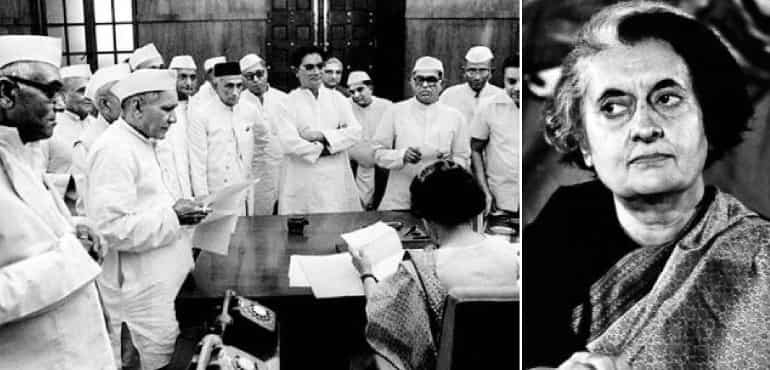
Emergency
Foreign correspondents of Washington Post, Los Angeles Times, Daily Telegraph were expelled while BBC recalled its correspondent Mark Tully. The Economist and The Guardian reporters left the country on their own fearing for their safety
The Emergency saw a crackdown on press freedom with severe censorship imposed on TV, radio, print media.
It also saw a crackdown on civil liberties, dissent and even the press. Rumours of Sanjay Gandhi’s control over the media were rife before the imposition of his mother’s orders but with its declaration, the Emergency ensured that press freedom became a chimaera.
In many ways, June 25, 1975, charted a new path for the Indian press. The imposition of the Emergency equalled severe censorship on print, television and radio media.
The fear of repercussions meant falling in line with few willing to risk dissent. The state of numbness in the media prompted that famous quote from the BJP stalwart L K Advani ''When Mrs Gandhi asked the media to bend, it crawled''.
Electricity supply to Delhi-based papers was cut in an attempt to prevent them from reporting the imposition of the Emergency. Only two newspaper – the Hindustan Times and The Statesman -- managed to put editions out the next day after they sourced electricity from elsewhere while others had to wait till June 28.
More than 100,000 people were jailed during the Emergency including more than 2000 journalists. The fear, therefore, was genuine.
Not surprisingly few chose the path of resistance. The likes of Indian Express and The Statesman, for instance, left their lead editorial space blank in a mark of protest.
Many magazines and journals were censored and banned altogether.Foreign correspondents ofWashington Post, Los Angeles Times, Daily Telegraph were expelled while BBC recalled its correspondent Mark Tully. The Economist and The Guardian reporters left the country on their own fearing for their safety.
In may of 1976 the home ministry admitted to detaining 7000 persons for distributing literature that opposed the emergency. The crackdown was resolute and all-encompassing.