

&imwidth=800&imheight=600&format=webp&quality=medium "How Dr Subhash Chandra, a visionary and innovator, made India a global media power")
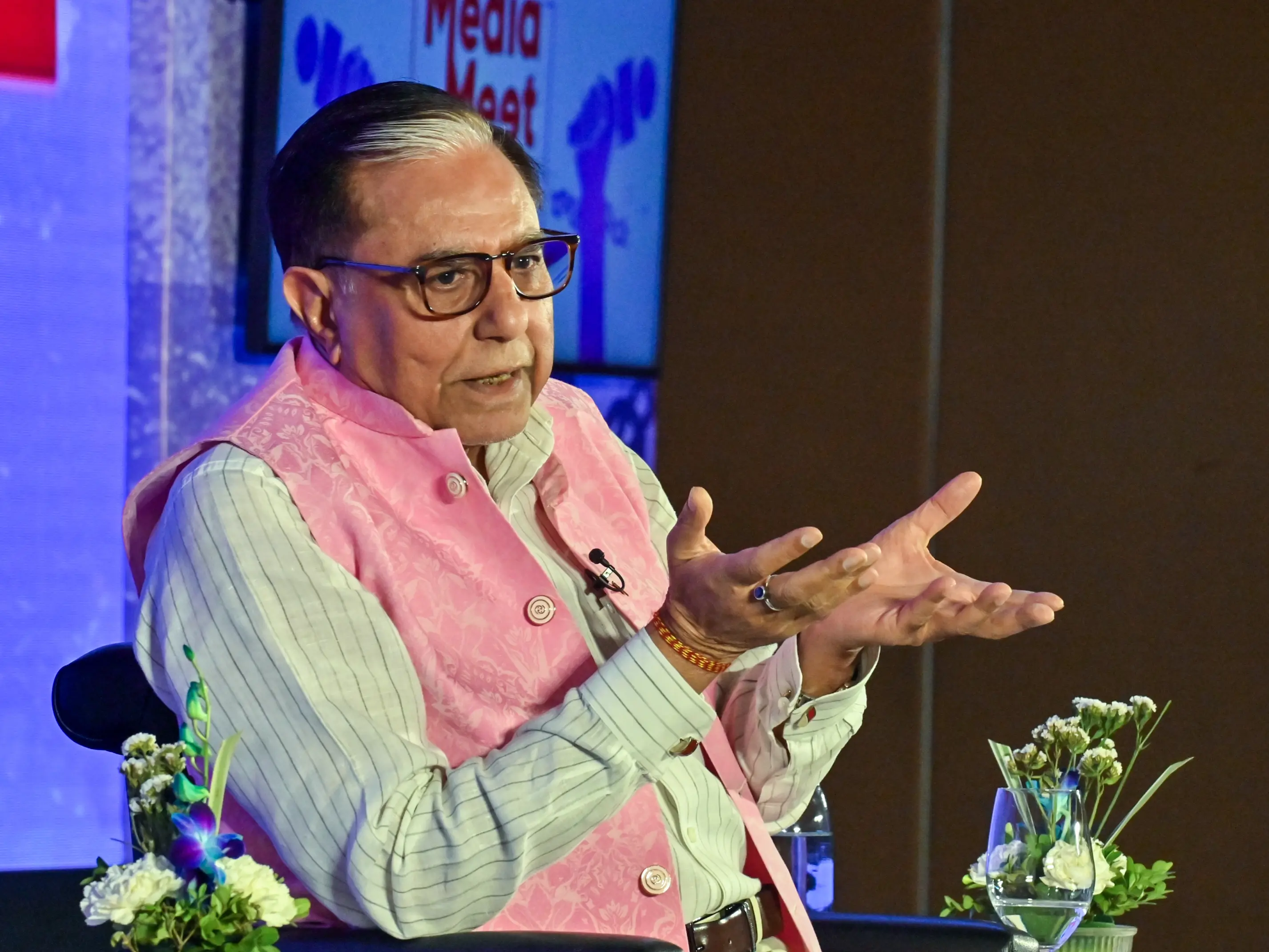
Indian living rooms in 1990s looked exactly the same: one television and one channel – Doordarshan. Entertainment was limited if not predictable. Somewhere in Haryana, far from the corridors of government broadcasting, an entrepreneur with no media background was imagining a different future. He wanted to see Indian audiences have an option to watch content that reflected various cultures, languages, and aspirations, and where India wasn’t just a passive consumer of global entertainment, but a producer powering screens across continents. That visionary and innovator was Dr. Subhash Chandra.
What seemed like an audacious idea soon became one of India’s most defining media revolutions. With the launch of Zee TV in 1992, Dr. Subhash Chandra didn’t just introduce a new channel; he introduced the freedom of choice. It was a moment that changed the rhythm of Indian households and rewired an entire industry. And over the decades that followed, his decisions were always ahead of time and what some may call ‘risky’.
Breaking Doordarshan’s monopoly with Zee TV (1992)
At a time when Doordarshan was the only broadcaster, Dr. Subhash Chandra launched Zee TV, India’s first private satellite channel. This was a revolutionary step because private broadcasting wasn’t common or even encouraged in India. To make Zee TV possible, Chandra leased a transponder on the AsiaSat satellite from Hong Kong—something no Indian company had attempted. This single decision opened India to a multi-channel television era.
Introducing Indian regional content on satellite TV
Dr. Subhash Chandra recognised early that India’s linguistic and cultural diversity was its strength. Soon after Zee TV took off, he launched regional channels like Zee Marathi and Zee Bangla, paving the way for more localised entertainment across the country. Zee’s first Marathi serial, Abhalmaya, became a cultural milestone and inspired other media houses to expand into regional programming.
Trending Stories
&imwidth=180&imheight=135&format=webp&quality=medium)
Netanyahu warns Israelis of ‘existential threat’ from Iran, posts AI image of nuclear strike
&imwidth=180&imheight=135&format=webp&quality=medium)
Serbia’s student-led movement defeats Vucic’s party after 14 years in power: Why it matters
&imwidth=180&imheight=135&format=webp&quality=medium)
Can Putin cheat death? All about his daughter’s billion-dollar quest for immortality
&imwidth=180&imheight=135&format=webp&quality=medium)
Pakistan airline PIA unveils new crew uniforms, faces online criticism
&imwidth=180&imheight=135&format=webp&quality=medium)
'I promised Gautam & Kotak Sir that...': Tilak Varma opens up on match-winning mindset against NZ
&imwidth=180&imheight=135&format=webp&quality=medium)
US midterms 2026: Election workers face rising threats, vote-counting process under pressure
&imwidth=180&imheight=135&format=webp&quality=medium)
‘Saddam Hussein opened a cheesecake factory’: Obama mocks Trump’s White House renovations; defends Abdul El-Sayed
&imwidth=180&imheight=135&format=webp&quality=medium)
'Clear overkill': Putin rejects claims Russia is behind mass protests in Europe
&imwidth=180&imheight=135&format=webp&quality=medium)
Elon Musk’s Grok releases first AI-generated Odyssey episode, months after promising ‘historically accurate’ full-length film
&im=FitAndFill=(700,400)&imwidth=180&imheight=135&format=webp&quality=medium)
Armoured vehicles vs main battle tanks: What is the real difference?
&imwidth=180&imheight=135&format=webp&quality=medium)
Saudi says debris fell in Mecca, Medina after missile interceptions; Houthis deny targeting holy cities
&imwidth=180&imheight=135&format=webp&quality=medium)
US Midterms: Trump targets Norway over Nobel Peace Prize snub, likens Abdul El-Sayed to 9/11 hijackers
&imwidth=180&imheight=135&format=webp&quality=medium)
‘Do I make a deal or finish them off’: What Trump said on resuming Iran strikes
&imwidth=180&imheight=135&format=webp&quality=medium)
Nagpur man fails to pay rent, allegedly prints fake Rs 500 notes worth Rs 37 lakh
&imwidth=180&imheight=135&format=webp&quality=medium)
'Hell of a beautiful a**': Trump compliments Nicki Minaj as rapper joins him in Michigan rally
&imwidth=180&imheight=135&format=webp&quality=medium)
'This is humiliation': Vijay Deverakonda under fire over controversial marriage proposal remark on Koffee With Karan 9
&imwidth=180&imheight=135&format=webp&quality=medium)
Why Europe’s protests are about more than austerity and rising costs
&imwidth=180&imheight=135&format=webp&quality=medium)
Clayface tops North American box office, Elizabeth Holmes documentary follows close behind
&imwidth=180&imheight=135&format=webp&quality=medium)
Formula 1: Mercedes' Kimi Antonelli one race and ninth spot finish away from title after US Grand Prix win
&imwidth=180&imheight=135&format=webp&quality=medium)
FIR filed against opposition MPs for ‘trespassing’ amid Jamia Millia students’ protest
&imwidth=180&imheight=135&format=webp&quality=medium)
Govinda breaks silence on divorce rumours with Sunita Ahuja, calls her his first love
&imwidth=180&imheight=135&format=webp&quality=medium)
‘Will finish the Iran job’: Trump backs Netanyahu again, claims 99% support in Israel
&imwidth=180&imheight=135&format=webp&quality=medium)
Telangana unveils AI avatar of IT minister D Sridhar Babu at Hyderabad DevFest 2026
&imwidth=180&imheight=135&format=webp&quality=medium)
Pahalgam, Gulmarg record season’s first sub-zero temperatures as winter chill intensifies in Kashmir
&im=FitAndFill=(700,400)&imwidth=180&imheight=135&format=webp&quality=medium)
Why do some fighter jets have two engines while others use one?
&imwidth=180&imheight=135&format=webp&quality=medium)
‘That is a miss’: Ravi Ashwin questions Sooryavanshi’s demotion to No. 3 in 2nd T20I vs NZ
&imwidth=180&imheight=135&format=webp&quality=medium)
China's dancing robot turns violent bodyguard, lifts cars and fights intruders - Watch
&imwidth=180&imheight=135&format=webp&quality=medium)
WATCH | Langur walks into Odisha repair shop, hugs shopkeeper; internet reacts to heartwarming video
&imwidth=180&imheight=135&format=webp&quality=medium)
'Already tired of his 9-to-5': Baby born with a moustache becomes internet sensation, video goes viral | Watch
&im=FitAndFill=(700,400)&imwidth=180&imheight=135&format=webp&quality=medium)
How do army night-vision systems see in almost complete darkness?
&imwidth=180&imheight=135&format=webp&quality=medium)
Delhi's new entry rules for vehicles begin November 1. Here's all you need to know about the ban
&imwidth=180&imheight=135&format=webp&quality=medium)
Bigg Boss 20: Rohit Shetty indirectly reacts to firing at his Mumbai home
&im=FitAndFill=(700,400)&imwidth=180&imheight=135&format=webp&quality=medium)
Why does this fighter jet have a golden window that looks like alien technology?
&imwidth=180&imheight=135&format=webp&quality=medium)
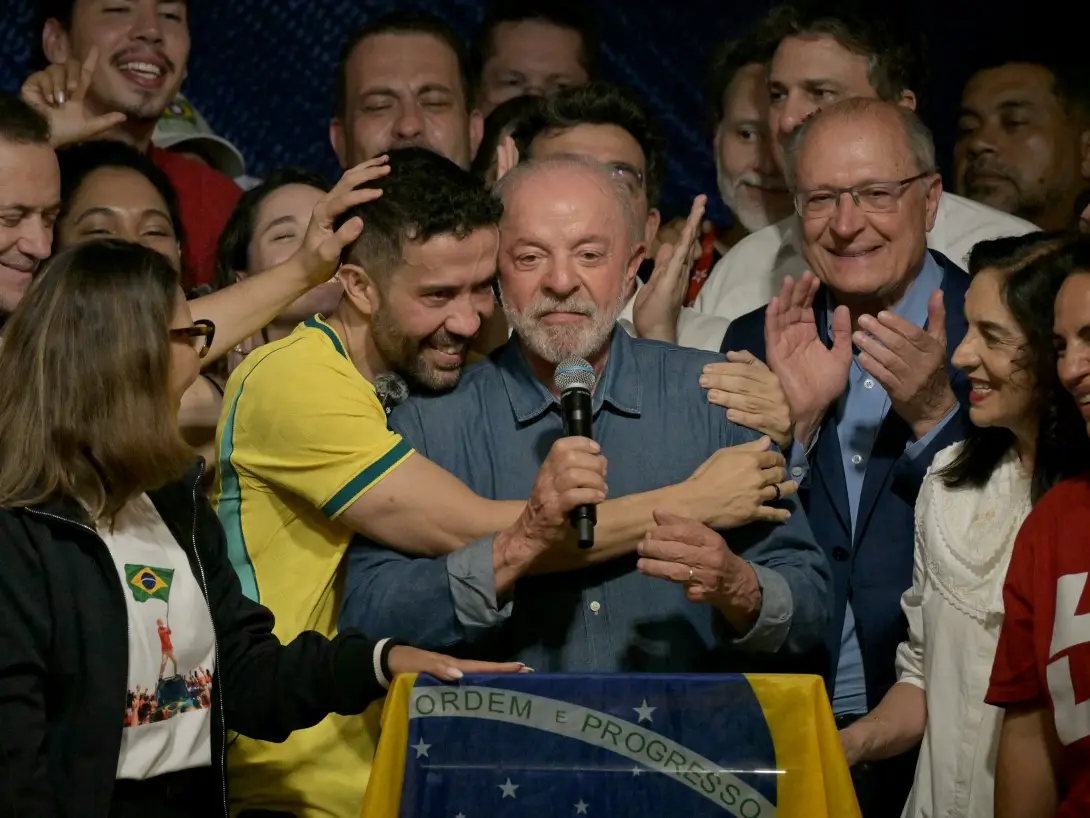
Brazil re-elects factory worker Lula for fourth term; Indian PM Modi congratulates 'dear friend'
Taking Indian television global
Dr. Subhash Chandra didn’t just stop at India. He foresaw the global demand for Indian content among the diaspora. Starting in the mid-90s, Zee International launched channels in the Middle East, UK, Africa, and North America, making Zee the first Indian broadcaster with a global footprint. Today, Zee content reaches over 190 countries.
Transforming TV distribution through Dish TV (2003)
Indian broadcasting expanded, but the last-mile cable distribution was messy. To solve this, Dr. Subhash Chandra launched Dish TV, India’s first Direct-to-Home (DTH) satellite television service. When Dish TV started, cable operators resisted and refused to broadcast Zee channels. Instead of backing down, Chandra invested heavily in satellite distribution, and DTH became mainstream.
Scaling content through diversified media platforms
Dr Chandra introduced Zee News (one of India’s earliest private news channels), Zee Studios for films, and Zee5—a move into digital streaming, anticipating OTT growth. These additions positioned Zee as a full-spectrum media conglomerate.
With these milestones, Dr Subhash Chandra did not just secure his place in India’s media evolution but also wrote a chapter in global media. His forward-thinking risks, technological bets, and cultural instinct transformed television. He built an ecosystem that empowered creators, expanded access, and carried Indian storytelling across borders. His achievement continues to influence how India is seen, heard, and experienced around the world.

