H3N2 influenza hits India: All you need to know about Covid-like flu with symptoms, precautions

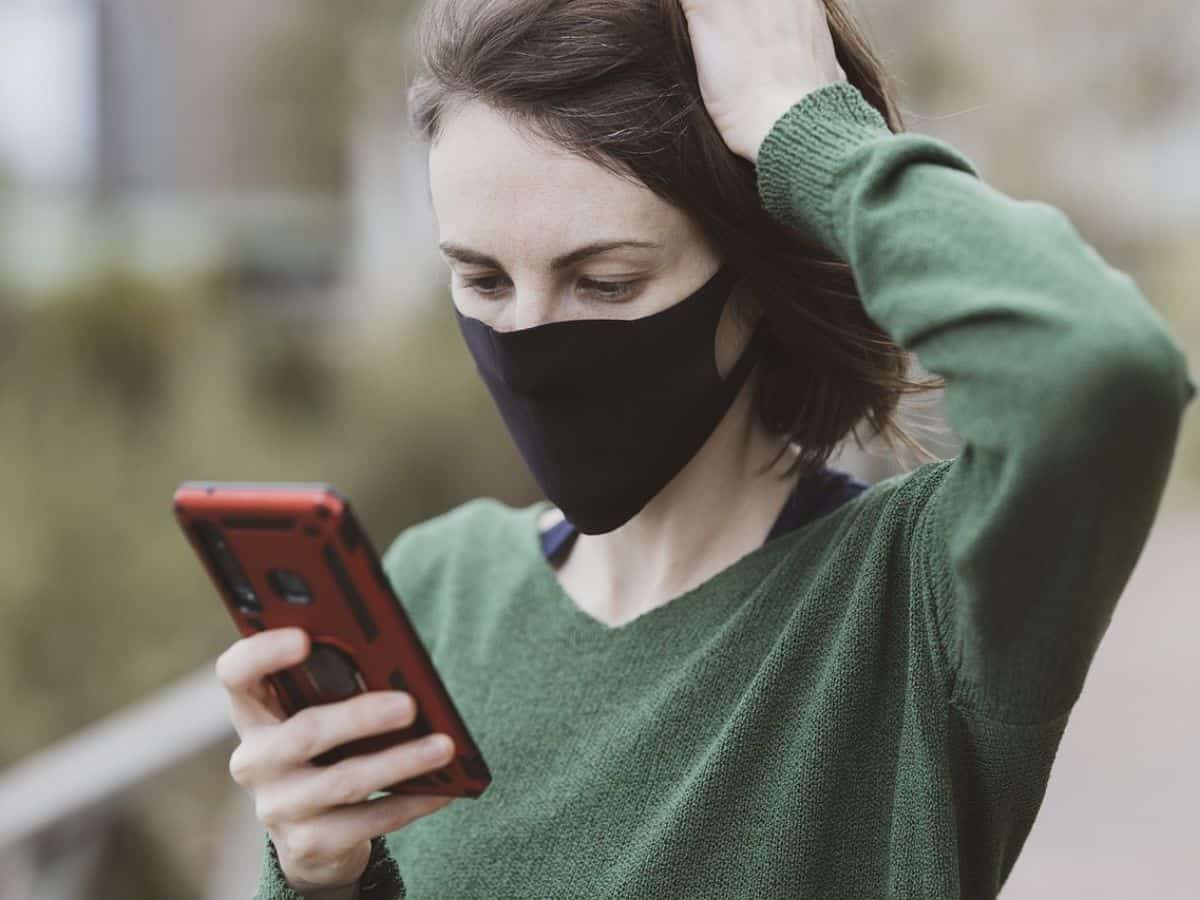
Symptoms, dos and don'ts of H3N2 influenza
Influenza with COVID-19-like symptoms is on the rise across India. According to the Indian Council of Medical Research (ICMR) and the Indian Medical Association (IMA), influenza A subtype H3N2 is causing respiratory troubles for many in India. Hospitals across the country have been reporting thousands of cases of this flu over the few months. It causes fever for 3-5 days and a persistent cough that can last up to three weeks.
Among the patients with H3N2 flu, 92 per cent were founded to have a fever; 86 per cent had a cough, 27 per cent had breathlessness, and 16 per cent were wheezing. Additionally, the ICMR surveillance found that 16 per cent of such patients had pneumonia and 6 per cent had seizures.
The IMA has urged doctors to not prescribe antibiotics to patients before confirming whether the infection is bacterial, as this can build up resistance. Most current cases of fever, cough, sore throat and body aches are cases of influenza, for which antibiotics are not needed.
H3N2 virus classification
Influenza A virus subtype H3N2 (A/H3N2) is a subtype of viruses that causes influenza (flu). H3N2 viruses can infect birds and mammals. In birds, humans, and pigs, the virus has mutated into many strains. In years in which H3N2 is the predominant strain, there are more hospitalisations.
H3N2 Symptoms
Along with fever and upper respiratory infections, these are some of the common symptoms to watch out for:
1. Fever
2. Chills
3. Cough
4. Nausea
5. Vomiting
6. Sore throat
7. Muscle and body aches
8. Diarrhoea
9. Runny nose and sneezing
H3N2 Precautionary measures
Dos
If you have any of the above-mentioned symptoms, here are the things to keep in mind:
- Regularly wash your hands with water and soap.
- Wear face masks and avoid crowded areas.
- Avoid touching your nose and mouth.
- Cover your nose and mouth properly while coughing and sneezing.
- Stay hydrated and consume plenty of fluids.
- In case of fever and body ache, take paracetamol.
Don'ts
- Shake hands or use other contact-based greetings.
- Spit in public.
- Self-medicate. Antibiotics and other medicines should only be taken after consulting a doctor.
- Eat while sitting close to others.
WATCH WION LIVE HERE
You can now write for wionews.com and be a part of the community. Share your stories and opinions with us here.