Explained: What is ‘black cocaine’, drug seized in India?

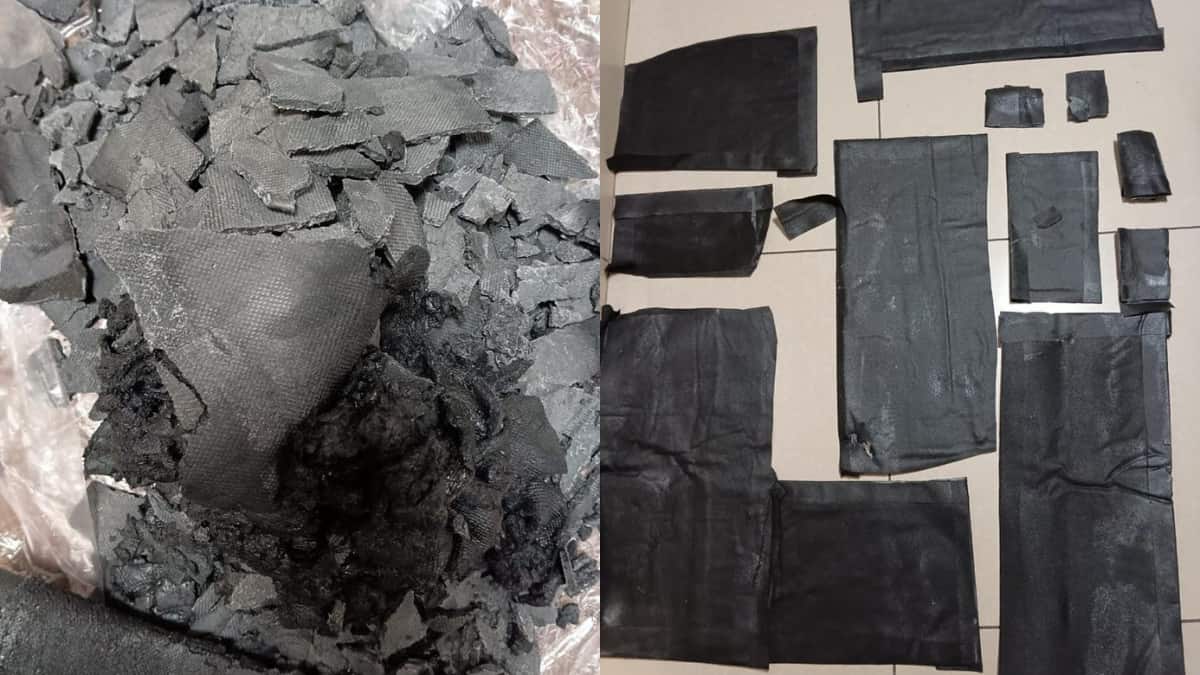
Black cocaine
On September 28, the Narcotics Control Bureau (NCB) in the Indian city of Mumbai, seized at least 3.2 kilograms of high-grade black cocaine, worth Rs 13 crore from a Bolivian woman at the city’s international airport. Furthermore, based on information revealed during her interrogation they also arrested a Nigerian national from the state of Goa.
According to the city’s NCB Zonal Director Amit Ghawate, the department heard from a credible source that the Bolivian national would be arriving in Mumbai and subsequently detained her. Reportedly, a thorough search of her luggage was conducted, within which they found false cavities and recovered 12 tightly wrapped packages with a black substance.
She was arrested with the contraband smuggled from Brazil along with a Nigerian national from Goa who was supposed to receive it. The drug enforcement agency also indicated that the seizure of black cocaine is rare.
Black cocaine is regular cocaine, which is typically white in colour, it is theadditional substance that makes it black in colour. This is done to neutralise the smell of cocaine which ensures that sniffer dogs at the airport cannot detect it. It also reportedly makes it easier to smuggle as it can be disguised as asphalt, printer toner, charcoal, fertiliser or metal moulds.
It is now being used by drug peddlers coming from South American countries, reports suggest. Additionally, black cocaine can also interfere with colour-based drug tests. However, it cannot be used as is, once smuggled common organic solvents like methylene chloride or acetone are used to extract the cocaine hydrochloride or base after which it is converted to powdered cocaine hydrochloride.
While black cocaine is not new, it is quite rare at least in India. According to reports, it was created in the mid-1980s after Chilean dictator Augusto Pinochet ordered his army to create a clandestine cocaine which could be smuggled past law enforcement in the United States and Europe.
In 2008, it was seized by the police in Spain, back then it was made into rubber-like sheets and converted into luggage. Last year, the police seized a consignment of almost 860 kgs of black cocaine in Spain and busted the drug ring that smuggled it, in this case, it was reportedly disguised as charcoal.
According to Indian officials, this is a disturbing trend, they realise that if they had not received the tip it would have been very difficult to find this contraband. Cocaine is one of the most expensive drugs and South American countries have been a major supplier of the substance in India, as that’s where the coca plants grow. Since the drug is so expensive, it is predominantly used by the upper class and affluent.
Reports also suggest that Mumbai is one of the landing points from where the drugs enter India and are then sent to the other parts of the country, particularly major cities and also Goa. According to a media report, published in September 2020, at least 10.7 lakh people in India use cocaine.
(With inputs from agencies)