Exclusive: Mauritius Foreign Minister Maneesh Gobin says 'value the cultural ties with India'

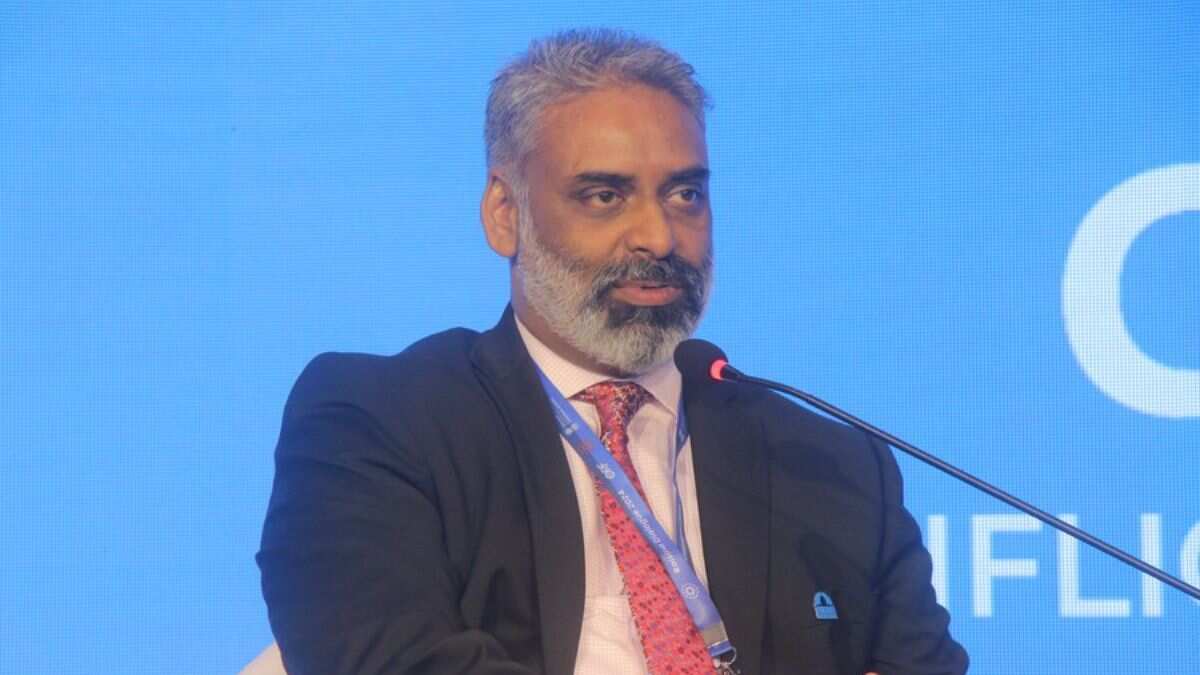
Mauritius Foreign Minister Maneesh Gobin
Maneesh Gobin, the foreign minister of Mauritius in an exclusive interview with WION discussed the strong relationship shared by his country with India. Speaking with WION's principal diplomatic correspondent Sidhant Sibal on the sidelines of the Raisina Dialogue 2024, the minister touched upon the increased financial connectivity granted by UPI and the RuPay card, and the exchange of information and tax matters. The foreign minister spoke about the deepening ties as well as the cultural connections shared by the two nations, which were strengthened during the recent Ayodhya Ram Mandir inauguration.
WION: How do you see the India-Mauritiusrelationship, especially in light of increased financial connectivity?
Maneesh Gobin: As an international financial centre, we have worked very very closely with India. We have reinforced the cooperation on the exchange of information. We have worked together on tax matters, and we will continue to deepen this cooperation with the government of India on other issues as we go along.
WION: How will financial solutions like UPI, and the RuPay card bring the two countries closer?
Maneesh Gobin: It will bring the two countries closer because it will facilitate exchange, trade, visits, and tourists. The less [lower] cost will increase the exchange between the two countries; not only India and Mauritius butother countries using the RuPay UPI system.
WION:Mauritius announced a special leave for the Ayodhya temple inauguration. How do you see the cultural connection between the two nations?
Maneesh Gobin: Yeah, that was a cabinet decision, a personal initiative of our prime minister to give two hours of special leave on that particular day of the inauguration of Ram Mandir. Of course, this is explained by the composition of the population of Mauritius coming straight from India, as Indian immigrants. So we value the cultural ties with India. So on such a day as Ram Mandir's inauguration, it was only natural that the government took this decision.
WION: You made a remark to the UK MP regarding the Chagos Islands. How do you see this playing in the international context?
[EDITOR'S NOTE:On 22 May 2019, the United Nations General Assembly adopted a resolution sayingthe Chagos Archipelago, which Britain had purchased during the colonial era and has since occupied for more than 50 years, is an integral part of the territory of Mauritius.]
Maneesh Gobin: In one word, there should be consistency. Rule-based international order should apply consistently to every state, and act in every part of the world. You cannot apply the rules differently when it comes to different parts of the world. That was the message. If territorial integrity means something for Ukraine, it should mean the same thing for the territory of the Republic of Mauritius.