Excise Policy Case: Delhi High Court reserves bail order, Arvind Kejriwal to stay in jail

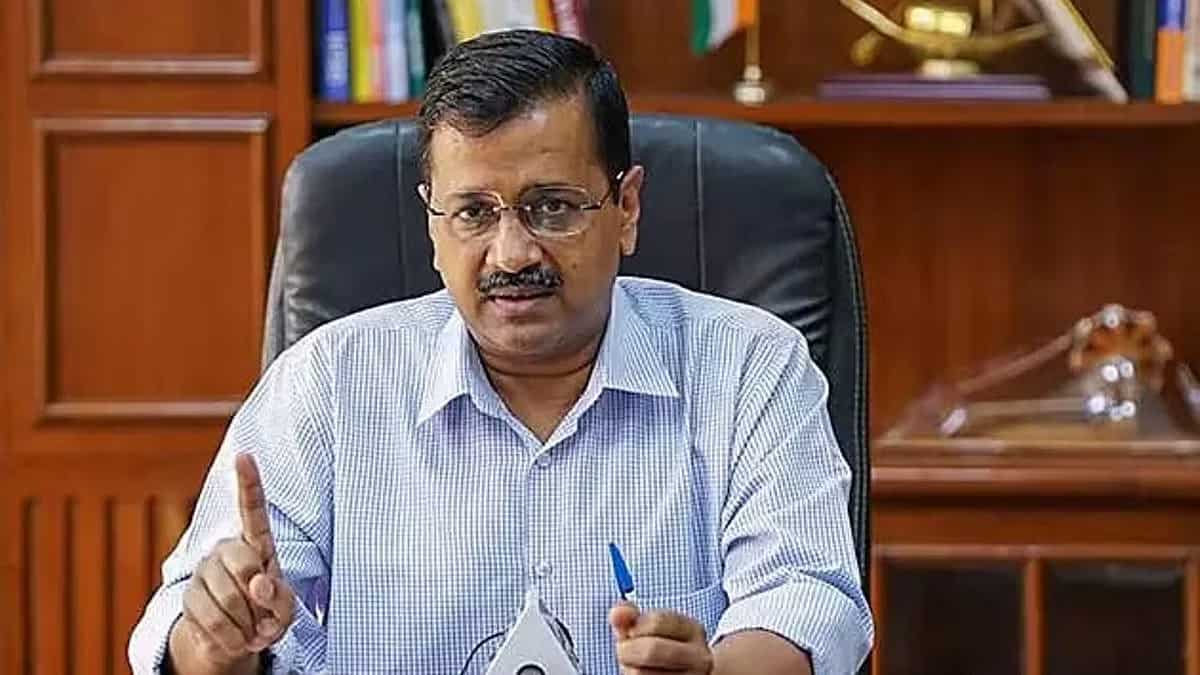
File photo of Delhi CM Arvind Kejriwal.
Delhi High Court on Friday (Jun 21) directed an interim stay on Rouse Avenue Court's order of granting bail to Delhi Chief Minister Arvind Kejriwal in the money laundering case connected to the liquor policy case. The Delhi HC is likely to pronounce its order on June 25. Kejriwal will stay in prison for now.
Enforcement Directorate (ED) had approached the High Court against the trial court's order.A bench, comprising Justice Sudhir Kumar Jain and Justice Ravinder Dudeja, agreed to hear the ED's challenge after an urgent mention was made by Additional Solicitor General SV Raju, who is appearing for the probing agency.
"I am reserving the order for two to three days. Till pronouncement of the order, the operation of the trial court order is stayed," Justice Sudhir Kumar Jain said.
SV Raju said during the hearing that the trial court's order was completely "perverse" and was contrary to the mandate of Section 45 of the Prevention of Money Laundering Act.
On Thursday, Rouse Avenue Courtsgranted bail to Kejriwal in the money laundering case on a bail bond of ₹1,00,000 ($1,195.74). Vacation Judge Nyay Bindu of Rouse Avenue Courts had passed the order.
Arvind Kejriwal's arrest
The Aam Admi Party (AAP) supremo was arrested on March 21 by the Enforcement Directorate (ED) in a case pertaining to alleged corruption and money laundering in formulating and executing the Delhi government's excise policy.
He was released on bail for a brief period during the 2024 Lok Sabha Elections and addressed several public gatherings while campaigning for AAP before going back to prison a couple of days before the counting of votes on June 4.
The Delhi government had implemented the policy on November 17, 2021. But it was scrapped at the end of September 2022. Corruption allegations have been levelled against the party, which AAP denies.
(With inputs from agencies)