India: Supreme Court strikes down electoral bonds scheme as unconstitutional

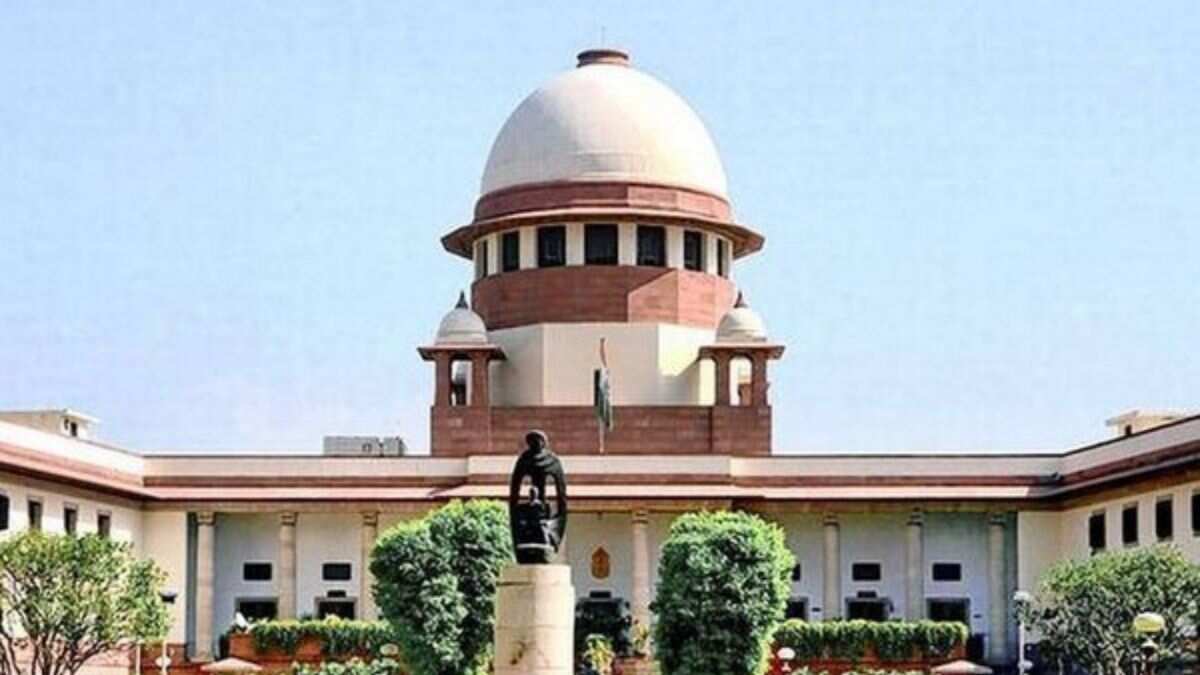
India: Supreme Court strikes down electoral bonds scheme
Electoral Bonds: India's Supreme Court on Thursday (Feb 15) struck down asunconstitutional the so-called 'electoral bonds', in a landmark judgement thatruled that the controversial financial instruments to support political parties can lead to 'quid pro quo'.
A five-judge bench of Chief Justice of Inda DY Chandrachud, Justices Sanjiv Khanna, BR Gavai, JB Pardiwala and Manoj Misra delivered the unanimous verdict on a batch of pleas challenging the legal validity of the Central government's scheme.
The bench stated that the scheme was a violation of the right to information and freedom of speech and expression under Article 19(1)(a) of Constitution.
The courtalso asked the State Bank of India (SBI), India's largest public sector lender, to stop issuing the controversial financial instruments.
Electoralbonds were used by individuals and corporates to fund political parties anonymously.
The Supreme Courtwas looking into several aspects of the constitution with regards to the bonds.
Petitioners had pleaded that not revealing information on contributions to parties were violative of several aspects of the constitution.
They included the amendments to Section 29C of the Representation of the People Act, Section 183(3) of the Companies Act, Section 13A(b) of the Income Tax Act and the right to information under Article 19(1)(a) of the Constitution.
The court had reserved the verdict in November.
Electoral Bondsjudgement key highlights:
- Supreme Court said that the scheme was violative of freedom of speech and expression under Article 19(1)(a) of the Constitution.
- SC directed the issuing bank, SBI, to stop the issuance of electoral bonds with immediate effect.
- It ordered the State Bank of India to share the details of electoral bonds purchased since April 12, 2019 till date to the Election Commission and directed the Indian election body topublish the detailson its website.
- “This court recognised right to information about social, cultural, political and economical issues, and that it is not limited to state affairs but to further participatory democracy principle," said Chief Justice of India DY Chandrachud.
- The court held that amendments in the Companies Act permitting unlimited political contributions by companies is arbitrary and unconstitutional.
- The top court said infringement to the Right to Information is not justified for the purpose of curbing black money.
The scheme, notified by the government on 2 January, 2018, was pitched as an alternative to cash donations that were made to political parties, in a bid to bring about transparency to political funding.
As per the provisions of the scheme, electoral bonds may be bought by a citizen of India or any entity that is either incorporated or established in the country.
An individual can purchase electoral bonds, singly or jointly clubbing with other individuals, without sharing their identity.
(With inputs from agencies)