

&imwidth=800&imheight=600&format=webp&quality=medium "ED cracks down on massive fake recruitment scam across 40+ government departments")
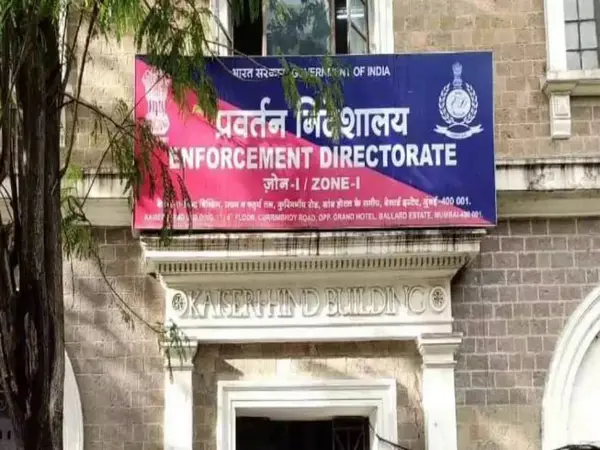
The Enforcement Directorate has intensified its probe into a large-scale fake government job scam, conducting coordinated search operations at around 15 locations across several states. Raids were carried out in Muzaffarpur and Motihari in Bihar; Kolkata in West Bengal; Ernakulam, Pandalam, Adoor, and Kodur in Kerala; Chennai in Tamil Nadu; Rajkot in Gujarat; and Gorakhpur, Prayagraj, and Lucknow in Uttar Pradesh. According to officials, the scam first came to light under the guise of Indian Railways recruitment. However, as investigations progressed, it became apparent that the fraudulent operation extended far beyond the Railways, involving more than 40 government organisations and departments.
These included the Forest Department, Indian Post, Income Tax Department, various High Courts, the Public Works Department, the Bihar government, Delhi Development Authority, and the Rajasthan Secretariat, among others. The racket was reportedly orchestrated by an organised gang that used sophisticated methods to deceive unsuspecting candidates.
The accused created fake email accounts designed to impersonate official government domains, issuing fraudulent appointment letters to applicants. To lend credibility to the scam, some recruits were even paid salaries for two to three months, placing them in positions across the Railways and other departments. This tactic reportedly helped the gang build trust and attract more victims. Officials described the scam as highly structured, with coordinated operations across multiple states, indicating a well-planned network rather than isolated incidents. Investigators are now scrutinising the gang’s communications, financial transactions, and the chain of recruitment, while authorities continue to monitor for other potential victims. The case has raised concerns about the vulnerability of government recruitment processes to organised fraud, prompting agencies to review safeguards and verification protocols.
