
&imwidth=800&imheight=600&format=webp&quality=medium "Delhi tops list as world's most polluted city; Mumbai, Kolkata, Lahore, and Karachi make top 10")
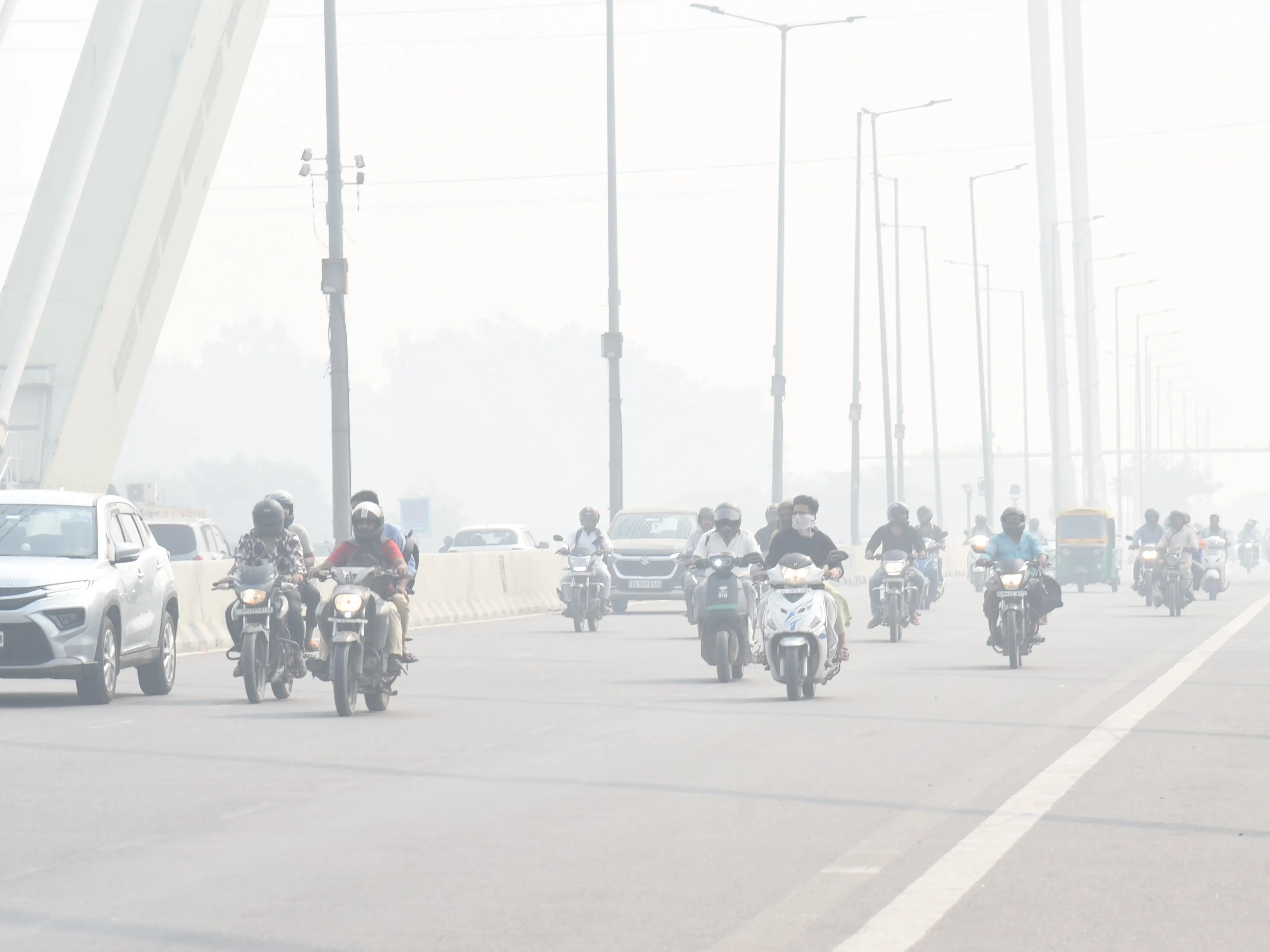
Delhi has claimed the title of the world’s most polluted city, according to a recent report by Swiss air quality firm IQAir. Along with the Indian capital, two other cities from India—Mumbai and Kolkata—also feature in the top 10 most polluted cities globally. Mumbai ranks 5th, while Kolkata comes in at 8th. This worrying data places India at the center of the global air pollution crisis, but it’s not just Indian cities facing this problem. Two Pakistani cities—Lahore and Karachi—also make the list, occupying the 2nd and 4th spots, respectively.
As Diwali celebrations continued across Delhi-NCR, the capital woke up to hazardous air quality on Tuesday (October 21) morning. The Air Quality Index (AQI) surged into the ‘severe’ category, reaching an alarming 451—almost double the national safety threshold. Several parts of Delhi, including Noida and Gurgaon, recorded AQI levels of 407 and 402, respectively, while the majority of monitoring stations indicated 'red zone' conditions, marking the air as ‘very poor’ or worse. The pollution levels worsened overnight, following the Diwali festivities, which had already seen air quality deteriorate to the ‘very poor’ category. Areas like Punjabi Bagh topped the charts with an AQI of 999, the highest possible reading, while Narayana registered 611. Other hotspots like Rohini and Anand Vihar reached 500, with Central Delhi seeing 409, and Noida at 392.

The timing of this report coincides with the aftermath of Diwali, when firecracker use significantly worsens air quality across India. Despite a Supreme Court ruling that allowed the sale of "green crackers" between October 18 and 21, many ignored the prescribed timing limits, which led to further pollution spikes. The court had set specific windows (6-7 pm and 8-10 pm) for firecracker use, but celebrations stretched beyond these hours.
In Delhi, the Air Quality Index (AQI) hit a ‘very poor’ 350 on Tuesday, with some areas, such as Bawana and Jahangirpuri, reaching ‘severe’ levels (AQI over 401). The AQI scale ranges from 0 to 500, where anything above 300 is categorised as hazardous to health. This data highlights the urgent need for stricter pollution control measures and greater public awareness of the environmental and health impacts of firecrackers.

