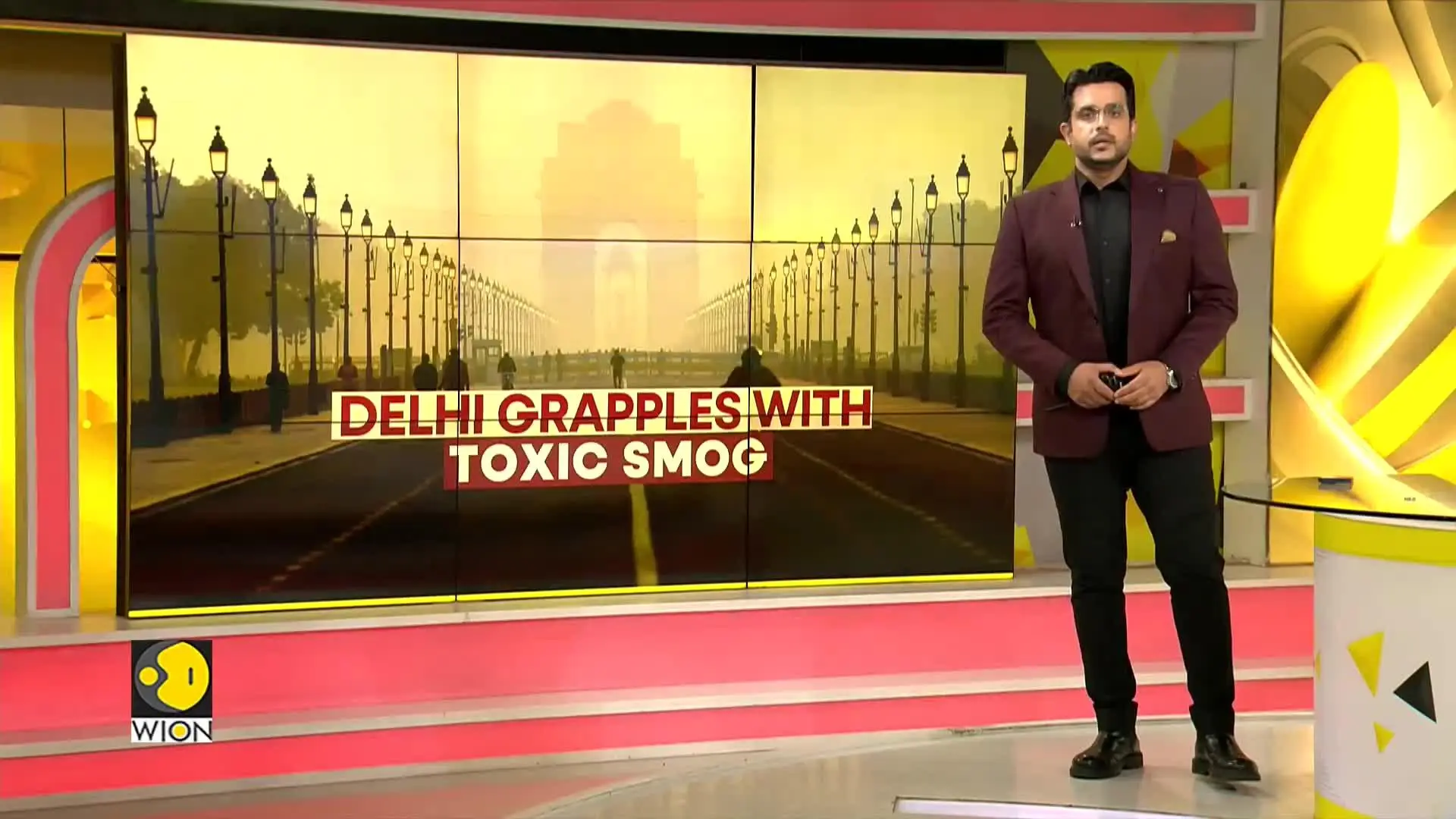
Delhi NCR air quality dips to severe, GRAP 3 imposed to curb pollution

&imwidth=600&imheight=450&format=webp&quality=medium "Delhi NCR air quality dips to severe, GRAP 3 imposed to curb pollution")
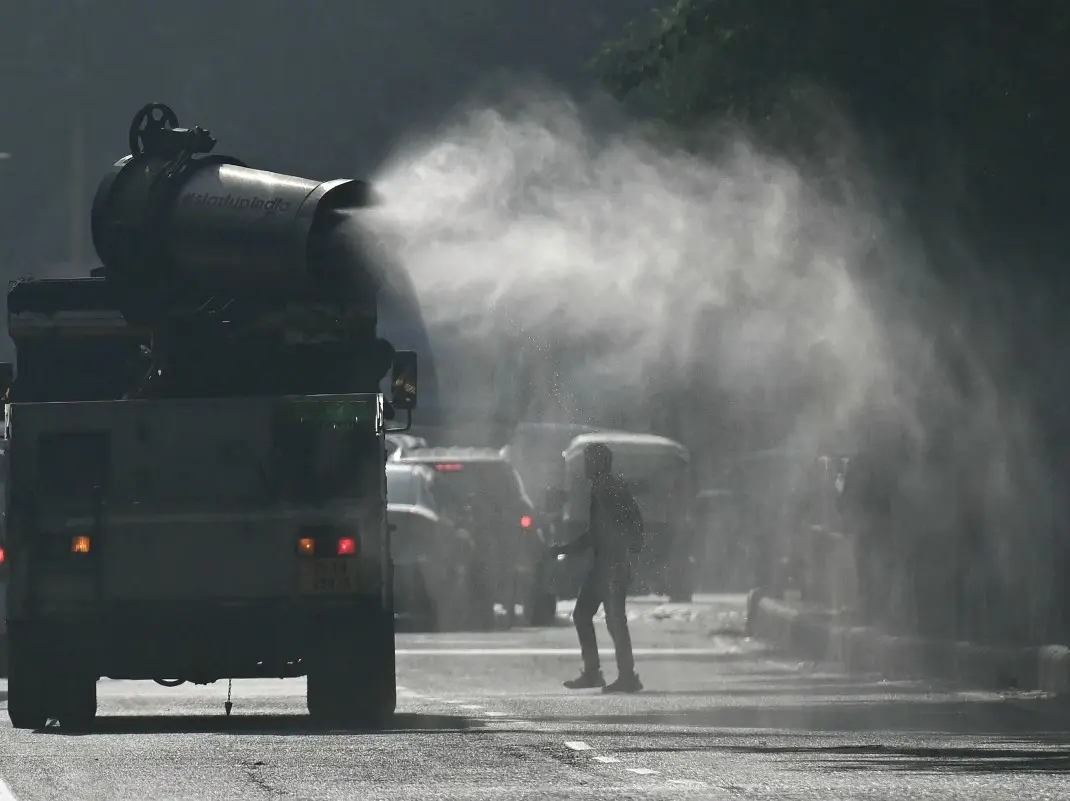
A vehicle of the Public Works Department (PWD) sprays water using an anti-smog gun to curb air pollution amid smoggy conditions in New Delhi on November 5, 2025. Photograph: (AFP)
Delhi NCR’s air quality dips to ‘severe’ with AQI at 425. CAQM enforces GRAP Stage III, restricting construction, older vehicles, and bus entries.
The Central Government on Tuesday initiated the third phase of the Graded Response Action Plan (GRAP). Air Quality in Delhi NCR have deteriorated from 'very poor' to 'severe'. In a statement on Tuesday morning Commission for Air Quality Management (CAQM) said that the sharp increasing trend in AQI of the Delhi NCR region has prompted them to take stricter actions across the city.
Delhi's AQI was recorded at 425 on November 11 at 9 am. This is particularly due to the temperature inversion hot air moves up and acts as a lid for the air pollutants. Due to low and stable wind flow, these pollutants get trapped, "…the Sub-Committee today has taken the call to invoke all actions as envisaged under Stage-III of extant GRAP – ‘Severe’ Air Quality (Delhi AQI ranging between 401-450), with immediate effect, in the entire NCR,” said CAQM in a statement.
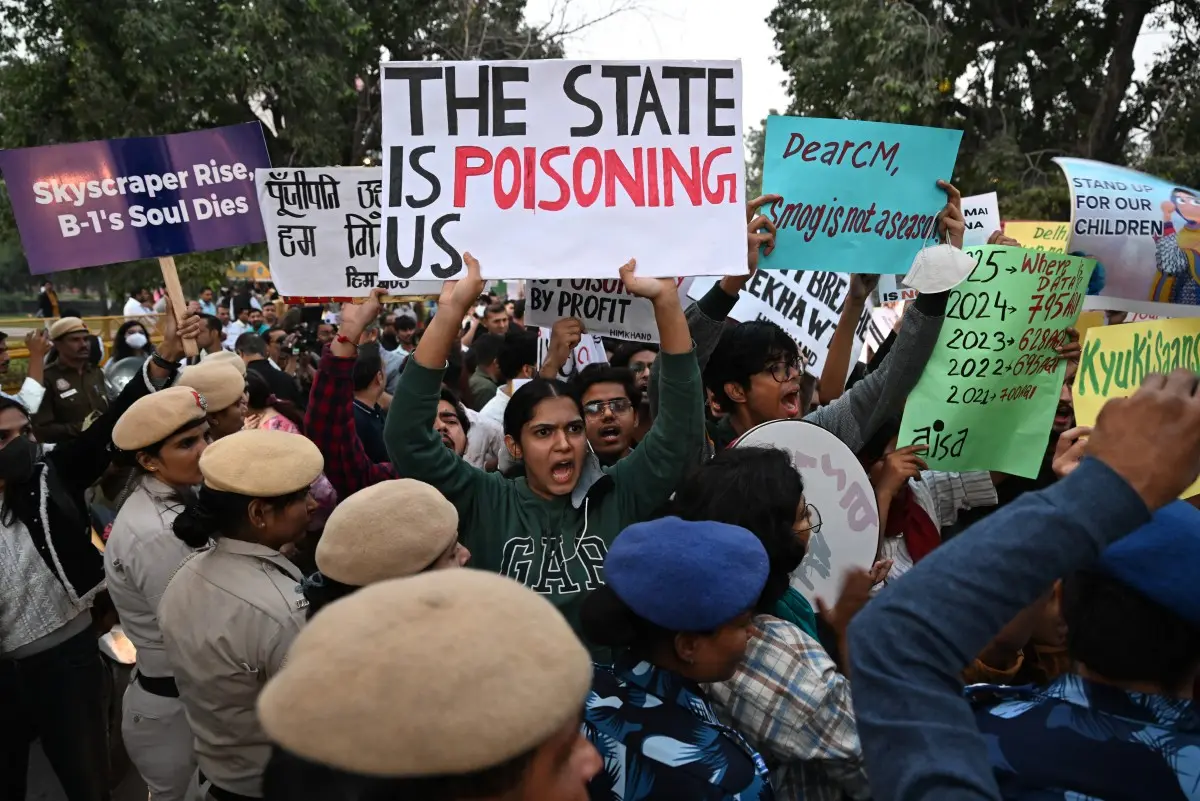
On November 9, activists from various social organisations gathered near India Gate to protest against the Government's inefficiency in tackling the rising pollution level across Delhi NRC.
What are the restrictions under GRAP III?
GRAP puts restrictions on all non-essential construction activity, demolition, stone crusher, mining or transportation of construction or demolition material, all BS III petrol and BS IV diesel LMVs (4-wheelers) in Delhi and in the districts of Gurugram, Faridabad, Ghaziabad and GautamBuddha Nagar. All state governments and the GNCTD are advised to switch to online teaching for classes up to Grade V. Inter-state buses from NCR states other than EVs/CNG/BS-VI diesel are barred from entering Delhi, and initiate intensified mechanised sweeping. There are certain exceptions, such as essential public-funded projects, such as railways, metro construction, airports, defence, sanitation, and healthcare facilities, which are allowed to continue under strict dust and waste management norms.