Delhi Motor Aggregator Scheme could adversely impact gig workers: IAMAI

Delhi's new motor scheme can impact gig workers, says IAMAI
The Internet and Mobile Association of India (IAMAI) has raised concerns that the implementation of the Delhi Motor Vehicle Aggregator and Delivery Service Provider Scheme could adversely impact the livelihoods of gig workers across the national capital. This new scheme was launched by the Delhi government and approved by Chief Minister Arvind Kejriwal last month.
A draft policy paper issued by the Delhi government proposes allowing only electric bike taxis in the city, and a phrased transition for delivery fleets and four-wheeler taxi aggregators. The draft Delhi Motor Vehicle Aggregator and Delivery Service Provider Scheme, 2023 issued in May, is expected to be finalised by July-end.
The scheme includes provisions like mandatory panic buttons in taxis, integration with emergency response number ‘112’ and phase-wise transition to electric vehicles (EV) to regulate cab aggregators and delivery service providers.
IAMAI comes in support of cab aggregators and delivery service providers
The IAMAI, a not-for-profit organisation representing the digital services industry with over 500 Indian and multinational corporations as its members, support the country’s EV industry and recognises the importance of pragmatic policies that systematically target environmental issues.
"However, it is crucial to acknowledge the present realities of the EV ecosystem. The EV conversion targets prescribed in the scheme appear to be based on assumptions of ecosystem maturity rather than evidence-based research," it said in a statement.
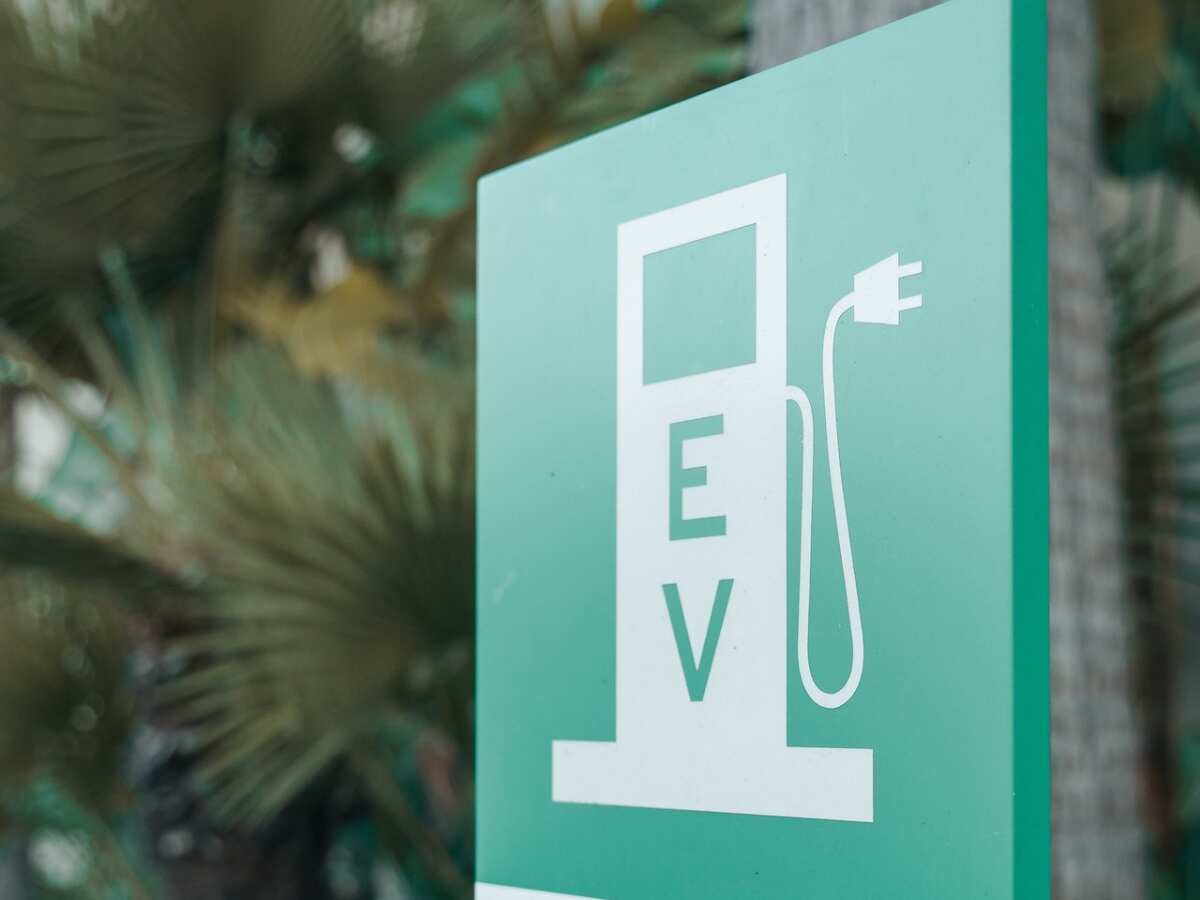
"It is imperative the government recognise that the paucity of charging stations and battery-swapping infrastructure in the capital make the scheme's ambitious targets virtually impossible to meet," it added.
The statement noted that "aggressive EV transition mandates" for aggregators and delivery service providers could lead to significant disruptions to business activity and livelihoods of gig workers in the capital.
"In particular, the EV conversion targets prescribed pose a significant risk to gig workers who have heavily invested their capital, often through loans, in internal combustion engine (ICE) powered vehicles. Moreover, the extremely high costs associated with owning an EV make it a commercially unfeasible option for most gig workers in the capital," it said.
The statement also said that the target of 1000 per cent electrification of bike taxis in Delhi right from the outset also raises serious concerns. It is because the lack of a moratorium for bike taxis could render numerous gig workers without work overnight.
The IAMAI also recommended an escalation mechanism prior to the imposition of penalties as it would ensure a fair and transparent process for all stakeholders involved.
(With inputs from agencies)
WATCH WION LIVE HERE
You can now write for wionews.com and be a part of the community. Share your stories and opinions with us here.