Deadly brain-eating amoeba kills Indian boy. Here's what it is and how it infects people

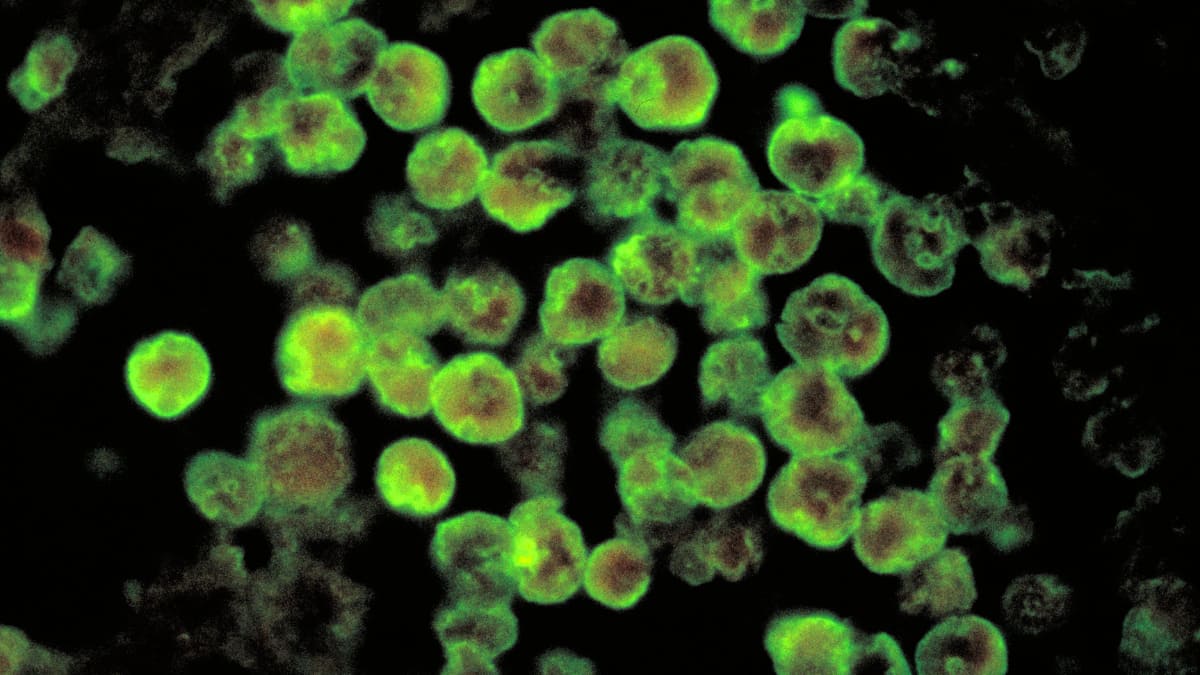
Representational image of brain-eating amoeba.
A rare brain-eating amoeba infected a 14-year-old Indian boy in the Kozhikode district of the Indian state of Kerala and took his life.
The free-living amoeba which infected the boy was found in the contaminated waters, as per the state health officials. This is the third death caused by the deadly infection in the last three months.
According to the health department, the boy had contracted the virus while swimming in a small pond. The incident has prompted immediate preventive measures.
Earlier, a five-year-old girl died from the virus in Malappuramon on May 21 and another 13-year-old girl lost her life on June 25 in Kannur.
What is amoebic meningoencephalitis and how it infects people?
Amoeba Naegleria fowleri is found in warm freshwater like lakes and rivers and causes Amoebic meningoencephalitis.
While carrying out the water activities, the amoeba enters the body through the nose and causes inflammation of the brain tissue. It also leads to potentially fatal primary amebic meningoencephalitis (PAM).
The amoeba survives in temperatures up to 46 degrees Celsius and is found in warm freshwater environments like lakes, rivers, poorly maintained swimming pools, splash pads, surf parks, and other recreational water venues.
What are its symptoms and its effective treatment?
The symptoms of infection are headache, vomiting, nausea, altered mental state and fever.
Watch:India: Brain-eating amoeba kills Kerala girl
To avoid this rare infection, one should use nose clips, stay away fromwarm freshwater activities and ensure that water sources are properly treated.
As of now, there are no widely effective treatments for PAM. The disease is managed by medical professionals whogenerally administer the patients a combination of medications which include amphotericin B, azithromycin, fluconazole, rifampin, miltefosine, and dexamethasone.
(With inputs from agencies)