Database of 1,200 stranded Indians sent to govt, says Indian envoy to New Zealand Pardeshi

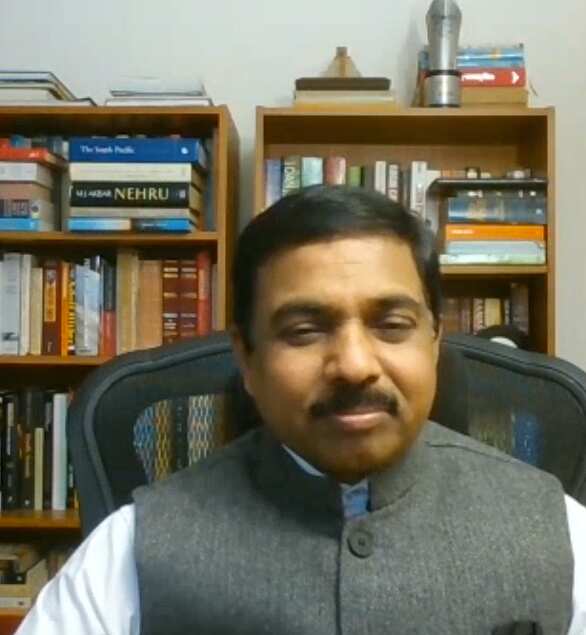
Muktesh K Pardeshi
Indian mission in New Zealand is reaching out to stranded Indians in various ways and has sent a database of 1200 stranded Indians to the government in Delhi even as it waits for govt instruction for any call on evacuation. Speaking exclusively to our diplomatic correspondent Sidhant Sibal fromwellington, Indian envoy to New ZealandMuktesh K Pardeshi praised the country's "remarkable" efforts to deal with the COVID-19 pandemic and also talked about how Gurudwaras are reaching out to stranded Indians including feed some 50,000 people.
WION: How areIndia and New Zealand cooperating to deal with the COVID crisis?
Muktesh K Pardeshi: Both India and New Zealand are friendly countries and both have decided to collaborateon the crisis. Our both Foreign Ministers, EAM Jaishankar and New Zealand's FM both discussed the collaborative aspects. Being a group of like-minded countries, which also includes India and New Zealand, within that framework, both countries are deliberating on how to deal with a global pandemic.
WION: How is the Indian mission reaching out to Indians?
Muktesh K Pardeshi: We decided to reach out to the Indian diaspora in multiple manners via a social media platform, via calling them. We reached out to them via Indian associations. Indian associations are there all over new Zealand. We have roped in several NGOs who worked with several communities. So now we have a databaseof about 1200 people who have strandedhere mainly touristand some students.
WION: And how are Gurudwaras reaching out? We have seen Gurudwaras helping out to stranded Indians.
Muktesh K Pardeshi: When the lockdown started, in the beginning, the Gurudwaras were not open but now they are functional they can reach out to any stranded Indian. One Gurudwara in Aucklandhas served food to more than 50,000 people in last so many days. They have done a commendablejob. What we have done at the high commission is that we have brought in a number of charity organisation,Indian associations in Auckland, wellington, Christchurch they have been able to reach out to stranded students, those who are in work visa. They were facing difficulties, these are the people who were vulnerable.
WION:New Zealand model of COVID containment being lauded across the world..more you can tell
Muktesh K Pardeshi: New Zealand has done remarkably well. PM of New Zealand has been very clear and consistentin messaging from day one. How they have communicatedto the people, the messaging. Of course, the population density is very low here, so people are able to self isolate without much difficulty,not possible in densely populated areas. Certain advantages in favour of new Zealand.
WION: Any model we have talked about with New Zealand..
Muktesh K Pardeshi: New Zealand started lockdown, a little bit early that what we did in India. What they did, they devisedhealth alert system--1,2,3,4 with 4 begin the highest one. Right now we are at the thirdlevel. They were in level 2 and jumped to 4 for a month, now they have gone down to level 3. The cabinet is going to meet, and they may go down to level 2. In terms of national lockdown, their model was availablewhen we started our lockdown.
WION: Are we planning to evacuateIndians stranded in the country?
Muktesh K Pardeshi: What we have done, we have created a database, of those who would like to go back. We have a list of 1200 people, they are basically students and tourist on family visits. Such students would also like to go back, but not many students have the desire to go back. So basically tourist on family visits. We have shared this data based with the govt and looking forward to any instructions emanatingfrom govt of India. These people here are very anxious and they have been here for 2 months and New Zealand is an expensive country.So naturally, they are upset and they would like to go back.
WION: How are Indian diplomats doing, how has the situation been for you.
Muktesh K Pardeshi:I would say during the last few years, govt has been very consistent in its approach towards the diaspora. So in the last 5-6 years, we have been groomed in a manner to deal with these kinds of situation. It is not a very difficult situation, and here in New Zealand all diplomatic missions have been exempted during the lockdown, so we can go to offices for a certain number of hours. Of course, services are skeletal because they have to maintain lockdown norms but still we are able to come to the high commission and provide services which are required. So we are working, and it is not a normal situation. For example, we are giving food packets to our citizens since its lockdown we can have a certain number of people gathering and we must comply with the norms.