CSMIA earns level 5 carbon accreditation, marking major net-zero milestone

&imwidth=600&imheight=450&format=webp&quality=medium "CSMIA earns level 5 carbon accreditation, marking major net-zero milestone")
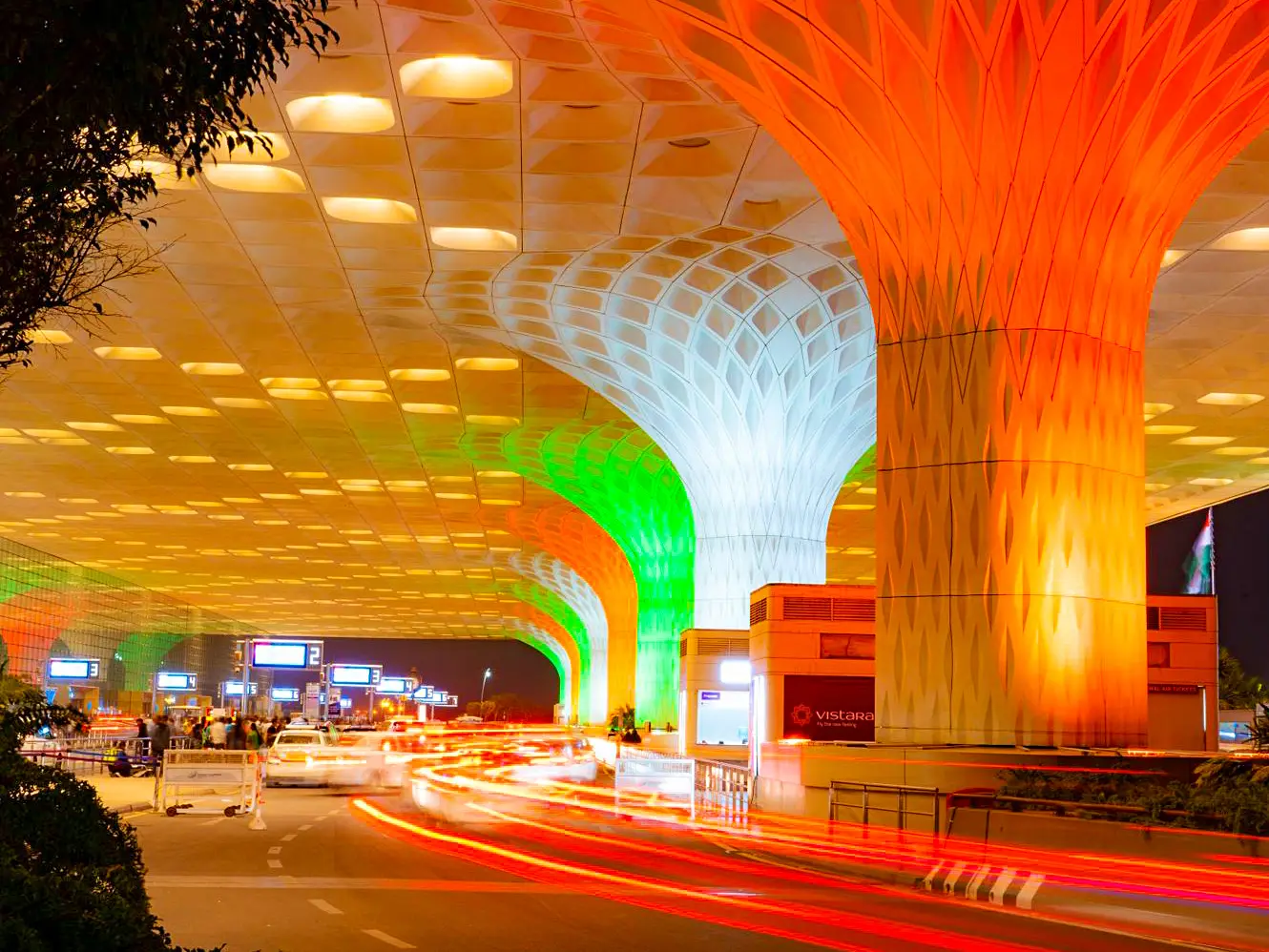
Mumbai’s Chhatrapati Shivaji Maharaj International Airport Photograph: (ANI)
Mumbai’s Chhatrapati Shivaji Maharaj International Airport (CSMIA) has earned Level 5 Airport Carbon Accreditation, confirming operational net-zero emissions and a roadmap for Scope 3 neutrality by 2050.
Chhatrapati Shivaji Maharaj International Airport (CSMIA), operated by Mumbai International Airport Limited (MIAL), has earned Level 5 accreditation under the Airport Carbon Accreditation programme — the highest global recognition for carbon management. With this recognition, CSMIA becomes one of just 30 airports worldwide — including seven in the Asia-Pacific region and four in India — to demonstrate the highest level of decarbonisation maturity.
The Airport Carbon Accreditation programme is the industry benchmark for evaluating airports’ carbon management efforts, with Level 5 representing its top tier. This certifies that CSMIA has achieved operational net-zero emissions (Scope 1 & 2) and has a validated roadmap to reach net-zero Scope 3 emissions by 2050. CSMIA say, the milestone underscores the airport’s consistent, data-led carbon strategy based on the principles of measuring, managing, reducing and transparently communicating emissions, backed by a robust ESG framework and cross-functional carbon management committee.
Speaking on the achievement, MIAL Spokesperson said, “This accreditation places CSMIA among the world’s leading airports that is committed to ensuring sustainable aviation operations. CSMIA will continue its efforts to blend innovation with environmental responsibility, setting new benchmarks for the global aviation ecosystem. Sustainability is a long-term responsibility, and we are proud to be at the forefront of driving this shift within India’s aviation industry”.
MIAL has rolled out a series of major sustainability upgrades since FY2022, following its ACA Level 4+ certification. Key initiatives include: Switching to 100% renewable electricity from August 2022.
Cutting energy intensity by over 40% between FY2022 and FY2025 through extensive efficiency upgrades — replacing belt-driven AHU fans with EC fans, moving entirely to LED lighting, and deploying advanced automation and high-efficiency inverter-based air-conditioning systems.
Fully electrifying its airport vehicle fleet and phasing out high-GWP refrigerants, along with replacing CO₂-based fire systems with greener alternatives.
Decarbonising all ground operations by converting every internal combustion engine vehicle to an electric one.
Expanding the use of energy-efficient HVAC systems, LEDs and digital automation tools.
Strengthening carbon governance through an updated ESG policy adopted in May 2025.
