Covid pandemic tests India's health infrastructure

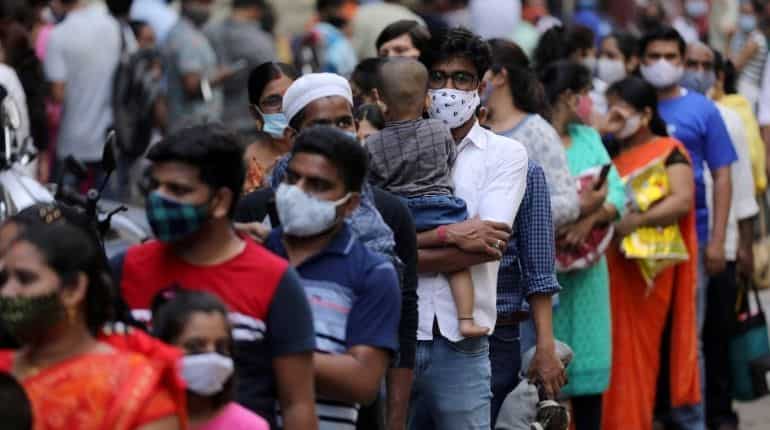
People wait in a line to enter a supermarket amidst the spread of the coronavirus disease (COVID-19) in Mumbai, India
India has registered 352,000new coronavirus cases and more than 2,800 deaths in 24 hours. There is a critical shortage of oxygen and hospital beds. There is a long waiting list for last rites. And never-ending SOS calls. The crisis has overwhelmed India's health infrastructure. The centre andstates are struggling.
Over 17 million cases. 195,000 deaths and counting. The COVID-19 situation in India remains grim. It's a devastating reminder of what the virus can do if left unchecked.
"We are deeply concerned about the increasing number of cases and deaths in india right now. We know that the situation is complex and requires different responses in different parts of the country," World Health Organization Director General Tedros Adhanom Ghebreyesus has said.
On Monday, India reported 352,000 new cases. This is the highest single-day spike for the fifth consecutive day.
The tally of total active cases has now reached 2.8 million. 2,812 deaths have also been registered in the last 24 hours.
Till date, over 14 million people have recovered from the virus. 141 million doses of vaccine have been administered. but there's still work to do.
"Coronavirus is testing our patience. It is testing the limits of all of us at enduring misery. Many of our near and dear ones have left us untimely," said Prime Minister Narendra Modi in his monthly address Mann Ki Baat.
The crisis has overwhelmed the health infrastructure. The situation is particularly alarming in Maharashtra, Uttar Pradesh, New Delhi, Karnataka, Chhattisgarh and Kerala.
These six regions contributed to 64 per cent of the new cases in April.
In New Delhi, there's a desperate rush for oxygen as supplies run out. Families are ferrying their kin from hospital to hospital in search of a treatment.
"I don't know what the government is doing. If we can do it, why are the government not doing it?" said Gurpreet Singh, from a Sikh temple in East Delhi.
The story is same in Ahmedabad, the capital of Gujarat. Hospitals are running out of beds, patients are lining up outside hospitals. They are waiting to be admitted, carrying their own limited supply of oxygen.
"We brought the oxygen on our own. The treatment has started but we don't know what time our number will come to get inside the hospital. There is a huge line of patients waiting," said a person who was accompanying a friend to hospital.
In Mumbai, the financial capital of India, oxygen refilling plants are running dry due to short supply. those in need are returning disappointed andempty-handed. India is gasping for Oxygen. The toll is rising.
In New Delhi, makeshift crematoriums are being set up. They're still not enough to cope with the influx of victims. There's now a waiting list for last rites. It extends from several hours to two days.
The Indian Railways has become the nation's lifeline. 'Oxygen express trains' are running across the country.
In some places, train coaches have been turned into isolation wards. The centre andstates are struggling. But in the near-absence of repositories for available supplies,social media platforms have become virtual command centres, ground zero for distress calls.
On Twitter, Facebook, Instagram and Whatsapp, ordinary Indians are going out of their way to help each other. Influencers are amplifying SOS calls.
"Twitter, specifically, if you pick any, if you pick 100 posts from my feed, at least 95 of them will be about people looking for resources or people sharing resources. And these resources include icu beds, ventilators, oxygen cylinders, contacts of people that could provide them and things like that," said Umang Galaiya, a 25-year-old employee in a start-up firm.
Their solidarity and promptness is moving. It is also a proof of a monumental failure. The failure of a system to provide basic healthcare facilities when pandemic strikes.