Clock could be turned back, says India's ex-ambassador to Afghanistan Sinha on US-Taliban talks

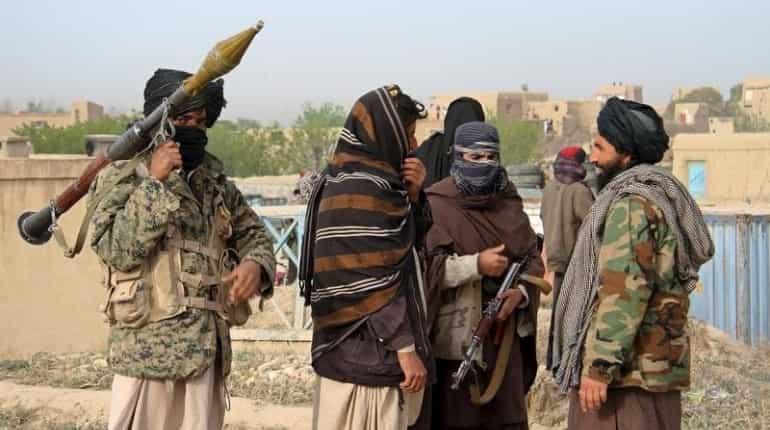
2018: Taliban talks
As the United States and Taliban planan expected pact that can pave way for American withdrawal from the south Asian country after 17 years, many including New Delhi are keenly watching the developments that can have huge ramifications.
New Delhi has been playing an important role as a development partner in the war-torn country and has provided aid worth more than $3 billion besides constructing the Afghan Parliament and the India Afghan friendship dam in western Herat province.
While New Delhi has not officially reacted, former Indian ambassador to Afghanistan, Amar Sinha has said the clock could be turned back.
Speaking to WION he said, "On the face of it this agreement has the flavour of being pushed by an impatient Washington on the one hand, and a patient and confident Rawalpindi on the other. In the process, interests of Afghan civilians and the democratic constituency built over the last 18 years is being sacrificed. The clock is being turned back."
Sinha added, "We have seen only the outlines of a framework agreement and have also heard US Special Representative say that "nothing is agreed till everything is agreed". But we all know "the devil is in the details."
Sinha along with India's former High Commissioner to Pakistan TCA Raghava represented India "non-officially" at the Moscow talks on Afghanistan last year. Taliban was also present at the talks.
In January, alone a number of ministerial meets happened between India and Afghanistan.
The Afghan National Security Advisor Hamdullah Mohib was in Delhi in early January and India's external affairs minister Sushma Swaraj met the Afghan foreign minister Salahuddin Rabbani in Samarkand, Uzbekistan a few weeks ago on the sidelines of the first India-Central Asia dialogue.
Meanwhile, calling the pact a "big deal" since it represented the "first formal attempt to chart a way forward", Michael Kugelman South Asia senior associate at The Wilson Center suggested caution when it comes to dealing with Taliban.
He said, "There have been many meetings between the US and Taliban in the past, but not until now have they formally pledged to address each other’s demands. Could all this progress come crashing down? Certainly. At the end of the day, if the Taliban doesn’t like what’s on the table, it could easily break off the dialogue and fully redirect its attention to the battlefield. That’s why the talks that take place in the coming days will need to be carried out carefully."
On India, Kugelman said "these talks are a reminder" that New Delhi's say in Afghanistan's future, "at least for now, is limited."
Explaining further, he said "India is a key regional player" but for now "it is left on the outside looking in and hoping that the result, whatever it is, doesn’t risk further instability for its Afghan friend."