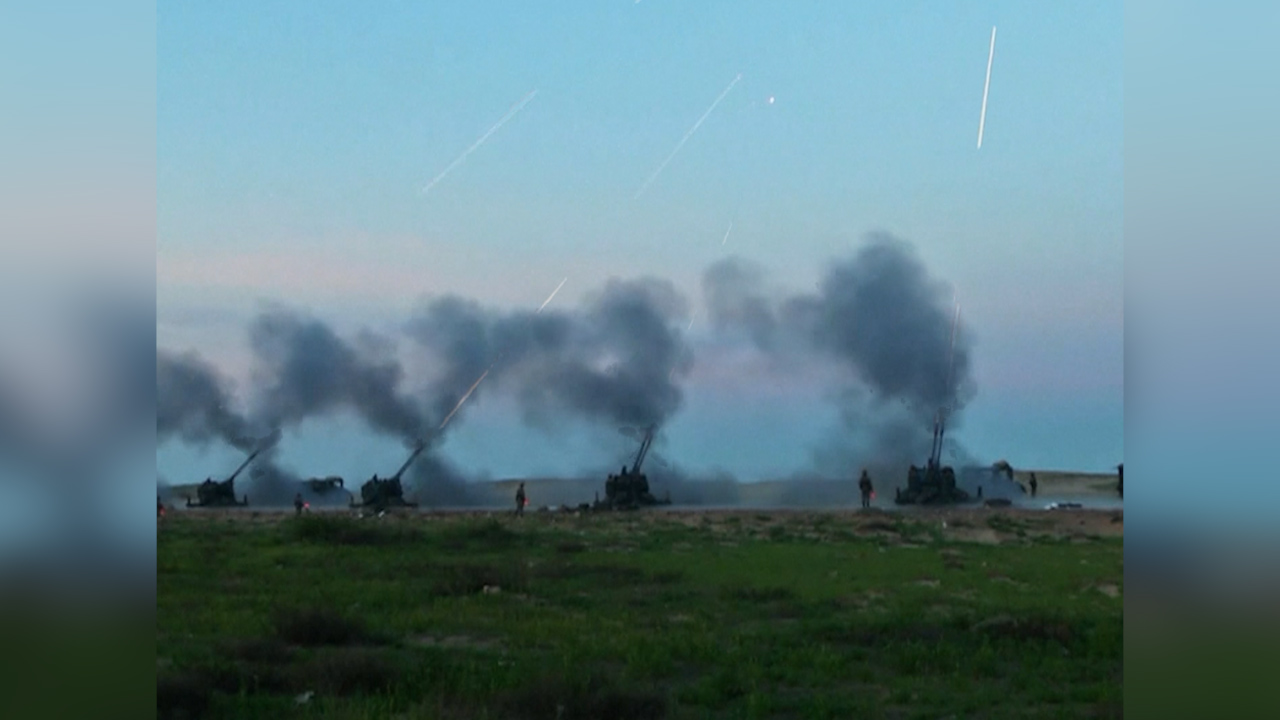
Watch: Chinese army holds drill to test military-civilian integration in Tibet, a first since Doklam standoff

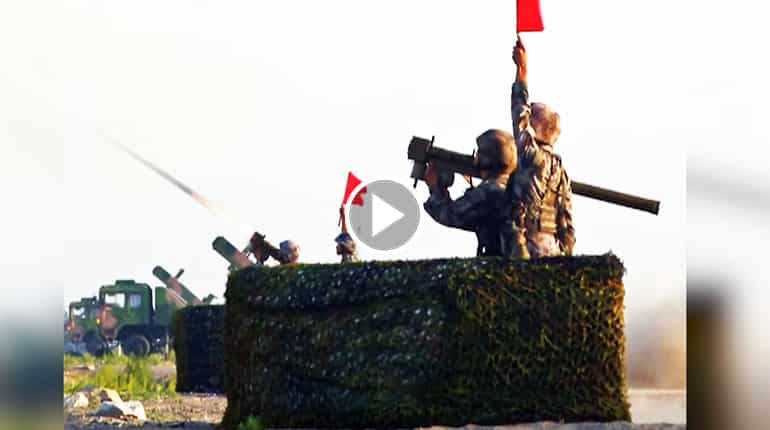
China's PLA holds high altitude drill in Tibet to test military-civilian integration
The drill aimed to explore a new mode of military-civilian integration in the plateau command following the reshuffle of the military system
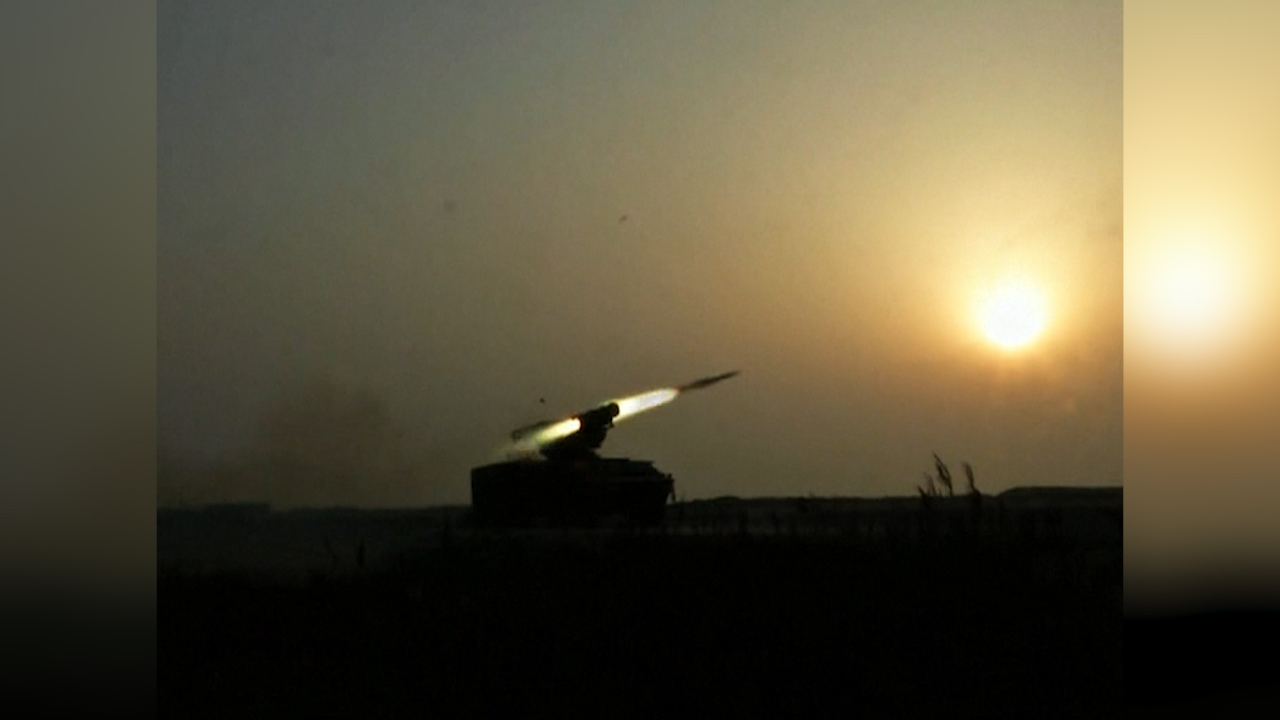
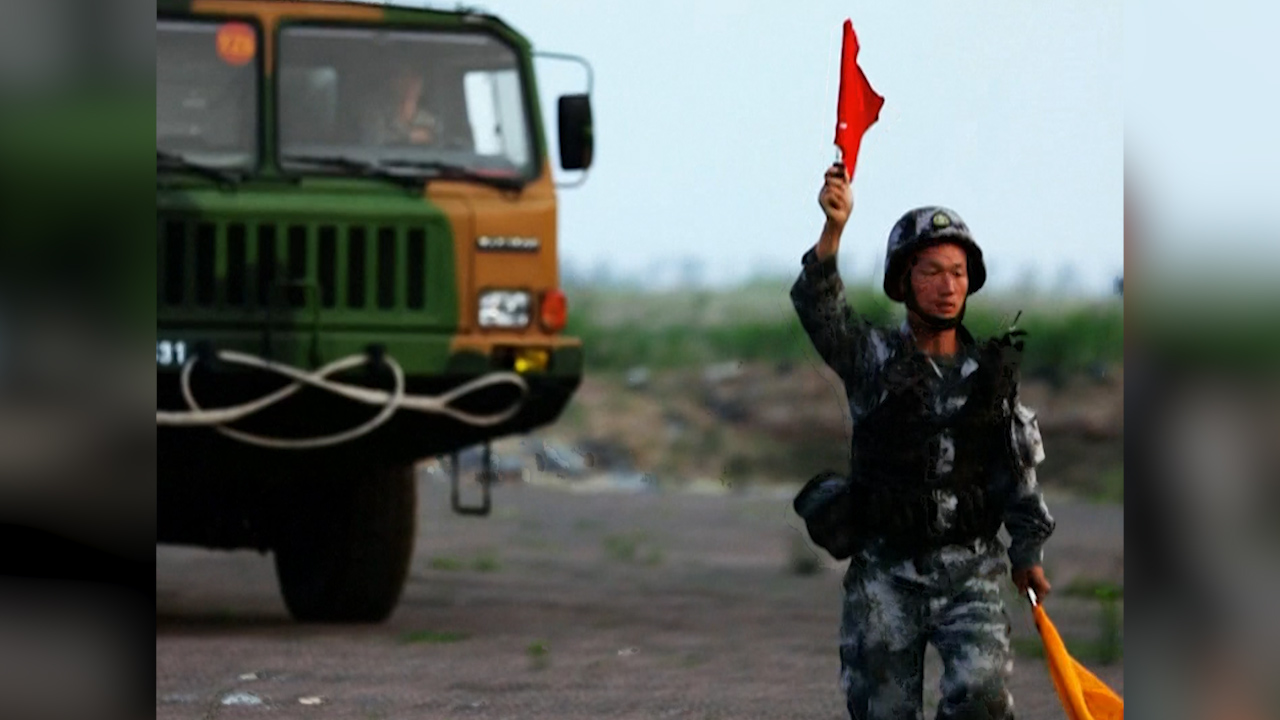
Soldiers of the People's Liberation Army (PLA) stationed in Southwest China's Tibet autonomous area,carried out a drill in theHimalayan region to test their logistics, armament support capabilities and military-civilian integration, the first ever since the Doklam standoff.
The drill was carried out on Tuesday. Reports informed that in August last year a similar drill was carried out which lasted 13-hours long and was conducted at an elevation of 4,600 meters. The training was targeted at specific issues revealed in a high-altitude drill conducted in July.
The Western Theatre Command of China's People's Liberation Army (PLA) guards the 3,488-km-long Line of Actual Control (LAC) with India.
The Qinghai-Tibet Plateau has an adverse climate and complex topography. Over a long period of time, it is very difficult to provide soldiers with logistics and armament support.
To solve the difficulties in personnel survival, delivery, material supply, rescue, emergency maintenance and road safety, the military has adopted a military-civilian integration strategy and constantly advanced logistics support capabilities, Zhang Wenlong, head of the command logistics support department said.
Zhang said that the drill aimed to explore a new mode of military-civilian integration in the plateau command following the reshuffle of the military system.
During the drill, a local petroleum company supplied fuel immediately when the armoured unit ran out of fuel and the city government of Lhasa delivered a steady flow of food to soldiers after a day of mock battle, the report said.
"The biggest challenge of battle at the high altitude is to provide sustainable logistics and armament support. In the 1962 China-India border conflict, China failed to protect its fruits of victory due to poor logistics support. Although local Tibetan residents provided soldiers with temporary support, it was not sustainable," Song Zhongping, a military expert, told the Global Times.
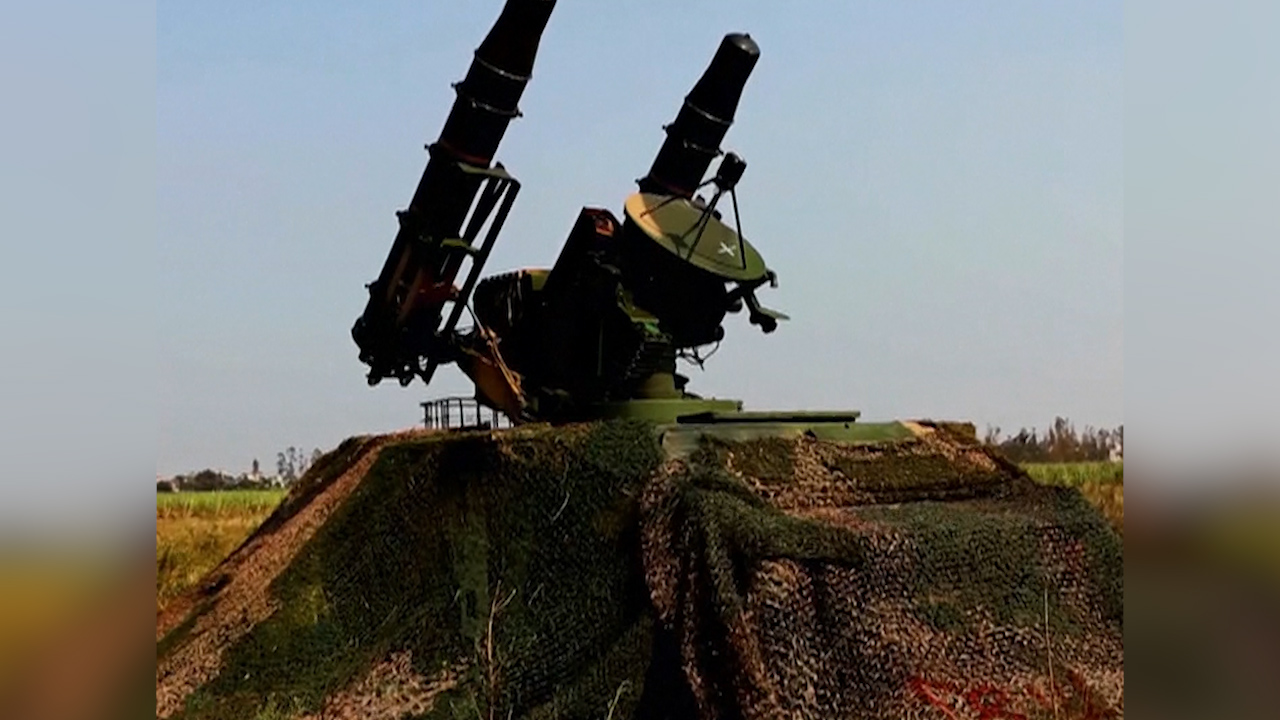
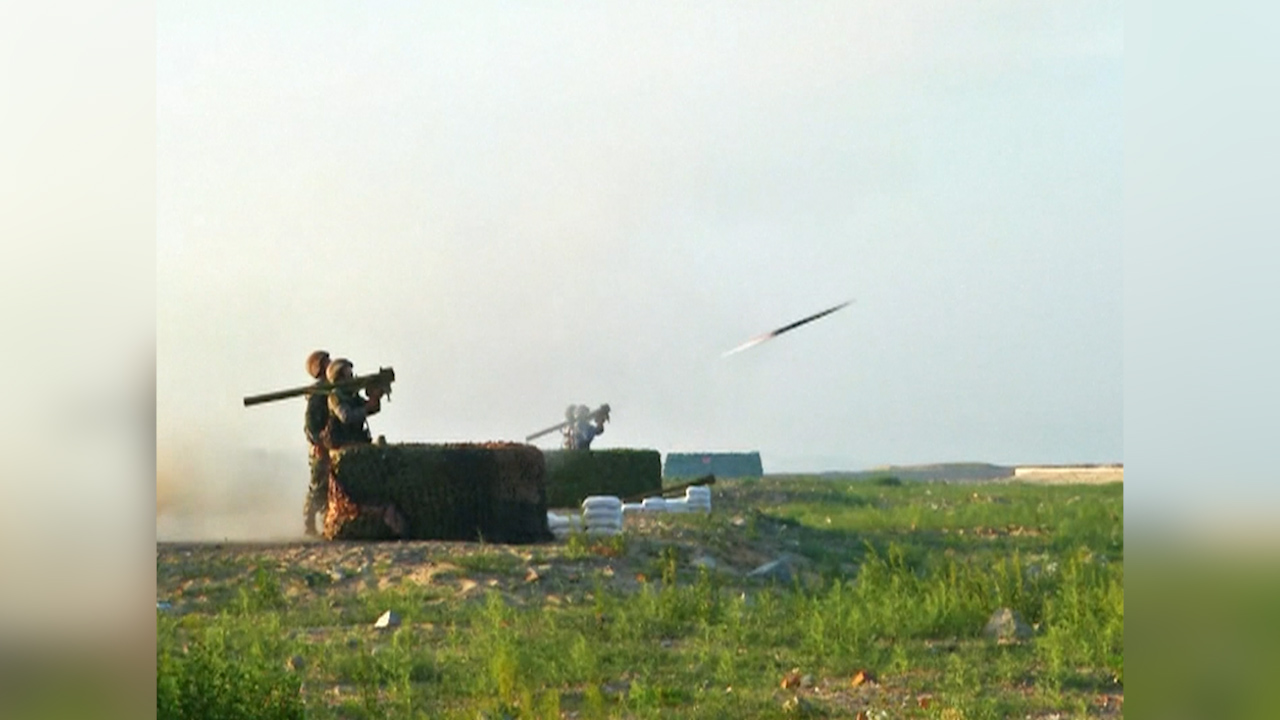
After the 73-day military standoff at Doklam last year, that caused major disruption in relations, both sides made efforts to improve ties.
One of the immediate fallouts of the Doklam stand-off was the suspension of the Kailash Mansarovar Yatra from Nathu-La side and the annual military exercise between the two countries. China also did not give the hydrological data of the Brahmaputra and the Indus river that originates in Chinese Tibet.
Meanwhile, a senior Chinese general will soon visit India, China's Defence Ministry said on Thursday, as the neighbours step up efforts to reset ties following an ice-breaking summit between their leaders.
Chinese President Xi Jinping and Prime Minister Narendra Modi agreed in April to open a new chapter in ties, just months after a dispute over a stretch of their high-altitude Himalayan border rekindled fears of war.