Bengaluru mass burial case: SIT finds human remains, IDs at site where 100 sexual assault victims were 'buried' in 1995

&imwidth=600&imheight=450&format=webp&quality=medium "Bengaluru mass burial case: SIT finds human remains, IDs at site where 100 sexual assault victims were 'buried' in 1995")
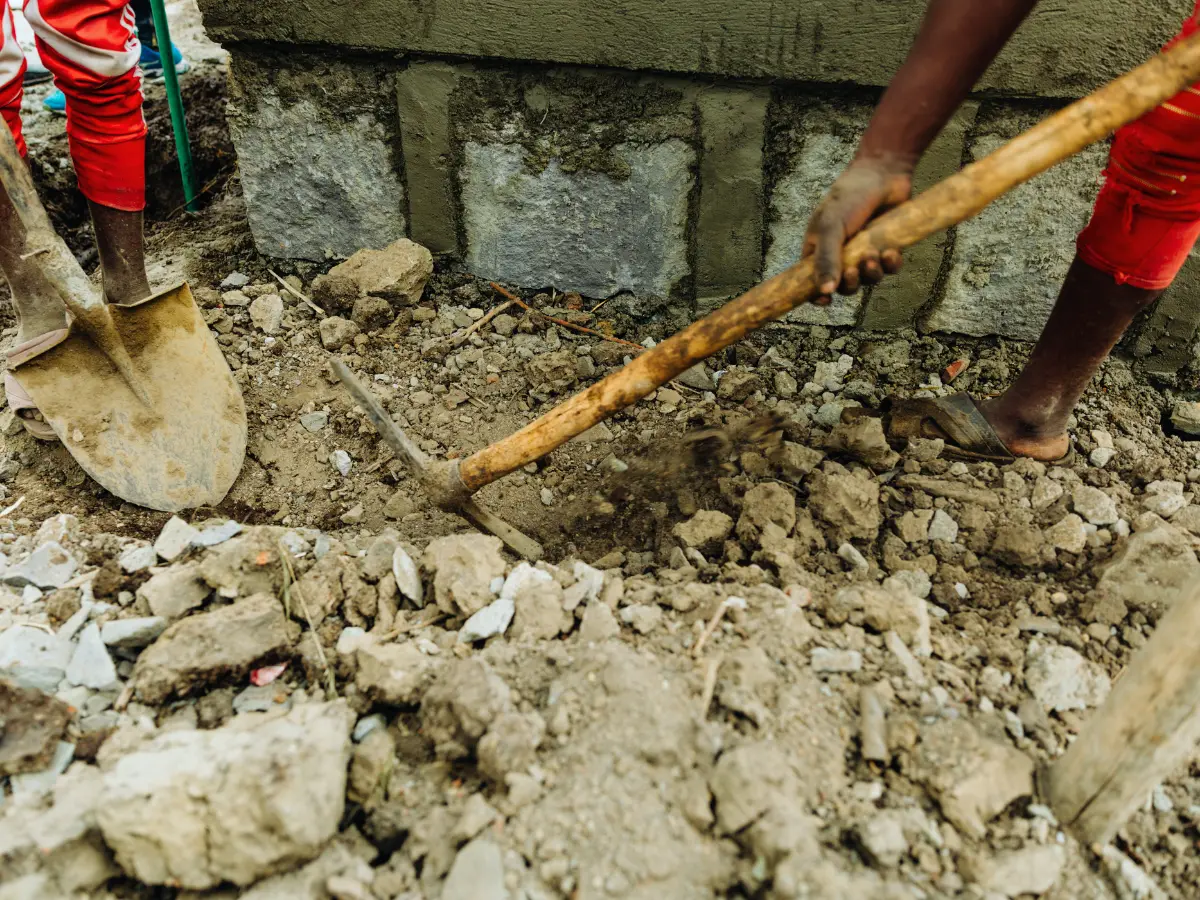
Representative image Photograph: (Canva)
In the chilling case of mass burial in Bengaluru, the SIT has found human bone remains and IDs at the site where over 100 sexual assault victims were buried in 1995 and 2014.
After an investigation was launched into the Dharamshala mass burial in Karnataka, the authorities have found human remains from a suspected burial site. This is the first achievement in the case where tangible forensic evidence has been recovered since the probe began. The probe was launched after a former sanitation worker alleged that he was forced to bury multiple bodies of sexual assault victims nearly a decade ago at various locations. He complained on July 4 at the Dharamshala police station, after which a Special Investigation Team (SIT) was formed on July 19 to probe the case.
The SIT dug multiple sites as part of the investigation but found nothing. But on Tuesday (July 29), the team dug an eight-foot deep and 15-foot wide hole at a location identified by the complainant and found a breakthrough in the case. it was the sixth spot where the team found human skeletal remains.
The forensic experts have said that the remains found at the site were of a male. The SIT said the final opinion will be given only after forensic examination of the bones. The complainant has said that he buried around 100 bodies between 1995 and 2014 that belonged to sexual assault victims.
When the team was digging the first site, they found a debit card of a woman and a PAN card of a man. The investigation team tracked down the family of the man whose PAN card was recovered. Regarding the Rupay debit card that was in the name of a woman, an SIT officer said: “The bank is yet to provide us with her details and cross-verification of her whereabouts is still underway.” The PAN card belonged to a man named Suresh, who hailed from Nelamangala taluk in Bengaluru Rural district and died of jaundice in March 2025 at his native village, and the last rites were conducted there. The SIT team reached his house, and the family confirmed the same. The team speculated that the man might have visited Dharmshala before his death.

