As temperatures soar, India is seeing urban heat islands, hit to its economy: What's the way out?

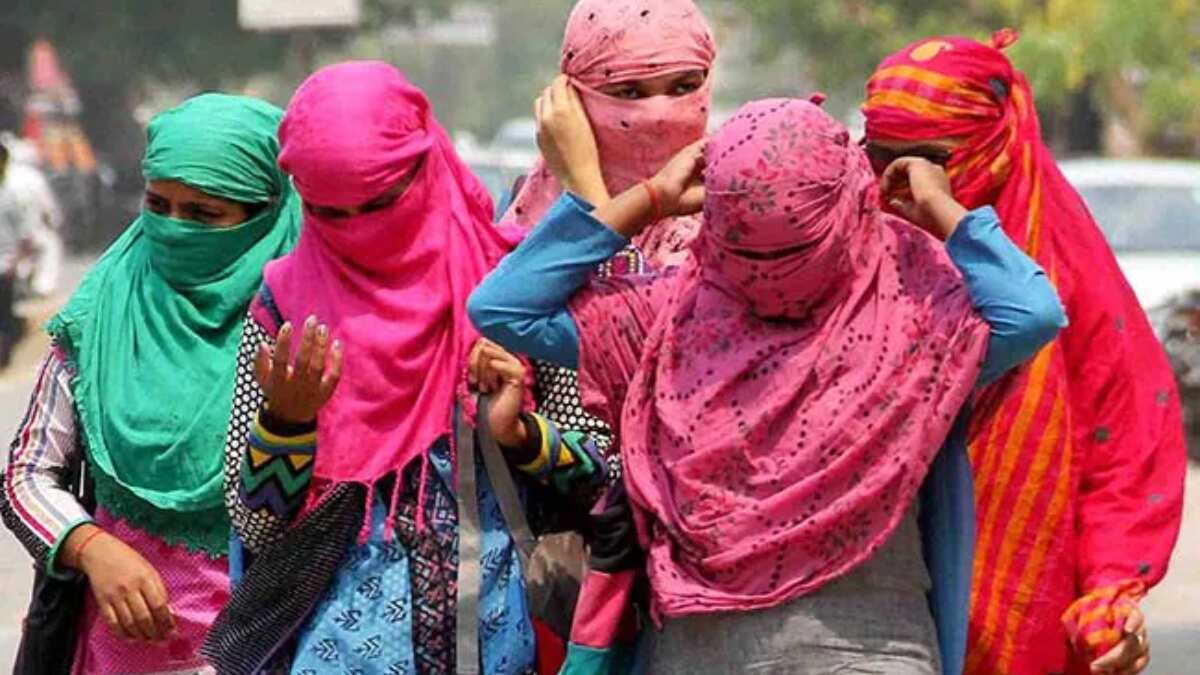
India heatwave
The summer of 2024 has witnessed a concerning rise of temperatures in India, up to a staggering 52 degrees Celsius in some parts. This extreme heat is a consequence of climate change, urbanisation and regional weather patterns. Looking at the previous years' patterns, it reveals a disturbing trend of increasing temperatures and more frequent heatwaves than ever before. Basically, it means the heat is here to stay.
A rising trend
Historically, India has experienced high temperatures in March to July. However, over the past few decades, there has been a noticeable rise in average temperatures and an increase in the frequency and intensity of heat waves.
For instance, the summer of 2016 saw record-breaking temperatures, with Phalodi in Rajasthan hitting 51 degrees Celsius. Subsequent years continued to break records, pointing towards a worrying trajectory of escalating heat all across India.
Impact of heat on health
The impact of this intense heatwave is multifaceted. It poses severe health risks to the population. Prolonged exposure to extreme heat can lead to heatstroke, dehydration, and exacerbation of pre-existing health conditions. The health ministry asked people to drink more water and keep themselves hydrated.
Vulnerable groups such as the elderly, children, and those with chronic illnesses are particularly at risk. Additionally, the healthcare system can become overwhelmed with the surge in heat-related illnesses.
Impact on the economy
The extreme heat affects agriculture, leading to crop failures and water shortages. According to IMD, wheat production was expected to have fallen by 4.5%, and in some regions, losses could be up to 15% since 2022.
This impacts food security and the livelihoods of farmers who depend on agriculture for their income. The economic consequences are significant, as reduced agricultural productivity can lead to higher food prices and increased poverty levels in rural areas.
Urban heat islands
The heat exacerbates the urban heat island effect, where cities become significantly warmer than their rural counterparts due to human activities and infrastructure.
This can lead to higher energy consumption as people rely more on air conditioning, further straining the power supply and increasing greenhouse gas emissions.
So we can say it’s a constant vicious circle. To reduce the heat we are using air conditioners, and that is one factor leading to increased global warming, which in turn results in more heat.
What can be done?
To mitigate these effects, both immediate and long-term measures are necessary. In the short term, public awareness campaigns can help educate people to protect themselves during heatwaves. Establishing cooling centres and ensuring access to clean drinking water are some of the key factors that can help.
In the long term, addressing climate change through reducing greenhouse gas emissions is essential.
Urban planning should incorporate more green spaces to cool cities naturally, and agricultural practices should be adapted to be more resilient to extreme weather.
Also Read |Heat torture continues for Indian capital Delhi; rain predicted for some areas in coming days
Understanding and educating corporate companies about carbon footprints can help as well.
"Doing carbon foot-printing helps businesses become aware of the impact of their activities on the environment. Once the carbon footprint is understood, it becomes easier to set targets for emission reductions,'' said Diya Bose, ESG and sustainability associate atKuwait-based PKC Advisory.
The current extreme temperatures in India are a clear signal of the pressing need to address climate change and its associated impacts.
Immediate action and long-term strategies are both crucial to safeguard the well-being of the population and the environment.