7 of 8 climate red lines breached, India now a transgression hotspot: Study

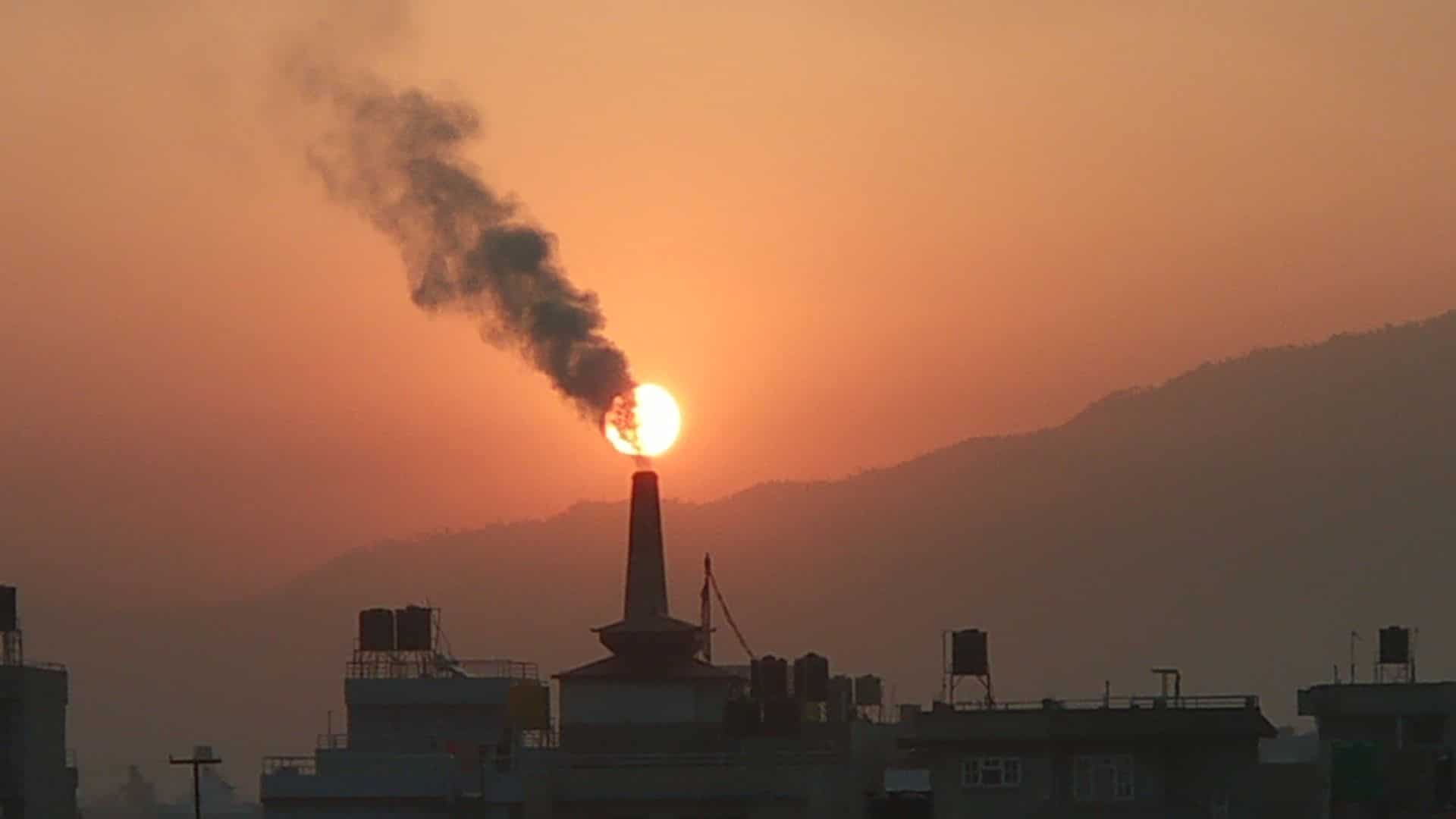
Representational image
Seven out of eight Earth System Boundaries (ESBs) that are critical for the stability of the planet's health and the survival of species have already been crossed, according to a new Earth Commission study published in Nature on Wednesday (May 31), implying that humanity's future is now at risk of a climate catastrophe.
According to the evaluation, ESB transgression is spatially extensive, with two or more ESBs already transgressed throughout 52 per centof the world's land area, affecting 86 per centof the global population, according to the Hindustan Times. According to a map supplied by experts, India, along with other countries of South Asia, Europe, and parts of Africa, is an ESB transgression hotspot, with at least 5 ESB transgressions occurring in the Himalayan foothills.
The Earth Commission createda set of ESBs for climate, the biosphere, fresh water, nutrients and air pollution at global and sub-global scales for the first time referred to in this research paper titled: “Safe and just Earth system boundaries.”
These features were chosen because they cover allthe major components of the Earth system (atmosphere, hydrosphere, geosphere, biosphere and cryosphere) and their interconnectedprocesses (carbon, water and nutrient cycles) or “global commons” that according to the report“underpin the planet’s life-support systems and, thereby, human well-being on Earth; they have impacts on policy-relevant timescales; they are threatened by human activities; and they could affect Earth system stability and future development globally.”
Which parameters werebreached?
Climate (two local exposure boundaries--wet bulb temperatures of over 35°C for at least one day of the year and expanse of low-elevation coastal zones), functional integrity, and levels of surface water, groundwater, nitrogen, phosphorus, and aerosols are among the seven ESBs that have been breached.
The eighth, which has yet to be crossed, falls into two groups. In terms of climate, 1.5 degreeCelsius of warming is still "safe," but not "just." At 1°C, the line between "safe and just" was crossed. The worldwide annual mean interhemispheric aerosol optical depth (AOD) difference, which is a proxy for the degree of global air pollution, has likewise not been crossed.
The safe ESBs for global warming are based on limiting the likelihood of climatic tipping points while maintaining biosphere and cryosphere functionality.
Also watch |Sherpa saves climber in rare Everest 'death zone' rescue
“We find that global warming beyond 1°C above pre-industrial levels, which has already been exceeded,carries a moderate likelihood of triggering tipping elements, such as the collapse of the Greenland ice sheet or localised abrupt thawing of the boreal permafrost…above 1.5°C or 2°C warming, the likelihood of triggering tipping points increases to high or very high,” the studystates while adding that at 1.5 to 2°Cbiosphere damage and the risk of global carbon sinks becoming carbon sources, potentially triggering further climate feedbacks, increase substantially.
WATCH WION LIVE HERE: