2014 Pune engineer murder: Supreme Court cancels bail of accused, warns courts against bias

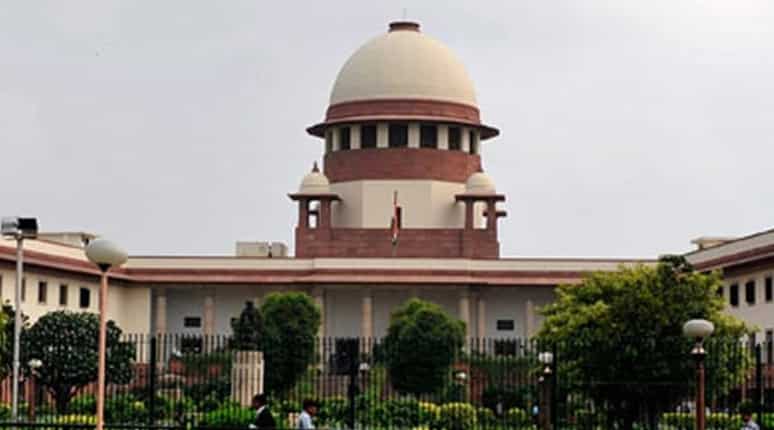
Supreme Court
The Supreme Court order came last week in connection with the murder of Mohsin Shaikh, an engineer in a private firm in Pune.
The Supreme Court warned courts against passing any order which may include bias for or against a community while cancelling the bail of three men in a murder case.
The Supreme Court order came last week in connection with the murder of Mohsin Shaikh, an engineer in a private firm in Pune. Mohsin was killed in June, 2014, during clashes after circuation of some objectionable pictures of Bal Thackeray and Maratha king Shivaji.
The accused - members of a fringe group - had first applied for bail before a sessions court in Pune which rejected their application. In its order, the sessions court said that the accused were present in a meeting where a "conspiracy was hatched to kill members of a certain community".
The accused then moved the Bombay High Court which directed their release saying, "The meeting was held half an hour prior to the assault. The accused otherwise had no other motice such as personal enmity against the innocent deceased Mohsin. The fault of the deceased was only that he belonged to another religion. I consider this factor in favour of the accused. Moreover, the accused do not have criminal record and it appears that in the name of the religion, they were provoked and have committed the murder."
The Supreme Court overturned that order last week, cancelling the bail of the accused. "We have no doubt that a court, fully conscious of the plural composition of the country, while called upon to deal with rights of various communities, cannot make such observations which may appear to be coloured with a bias for or against a community," a bench of Justices S A Bobde and L Nageshwar Rao said.
"It is possible that the learned Judge wanted to rule out a personal motive against the victim, but only emphasise communal hatred. It is also possible that the learned Single Judge may not have intended to hurt the feelings of any particular community or support the feelings of another community but the words are clearly vulnerable to such criticism," the bench added.
The bench directed the accused to appear before the high court on February 16 and apply for bail. It has given six weeks for the bail application to be decided.