

&imwidth=800&imheight=600&format=webp&quality=medium "'India strong enough to stand lone, doesn’t need crutches', says former envoy as Trump talks tariffs")
Former Indian envoy to France, Jawed Ashraf, on Saturday (September 6) dismissed suggestions that New Delhi must choose between rival global blocs, insisting India’s foreign policy must be anchored in its own principles and interests rather than external pressure. His remarks came a day after US Commerce Secretary Howard Lutnick warned India to align with Washington or face steep trade barriers if it continued engaging closely with Russia and China. Lutnick bluntly said in a Bloomberg interview: “Either support the dollar, support the United States and its consumers, or be ready for a 50% tariff.”
Rejecting this binary framing, Ashraf emphasised that India was no longer a country that needed to “lean on camps” for survival. “We are capable of pursuing independent ties with all powers, even if they differ among themselves. Each relationship will stand on its own merit,” ANI quoted him as saying.
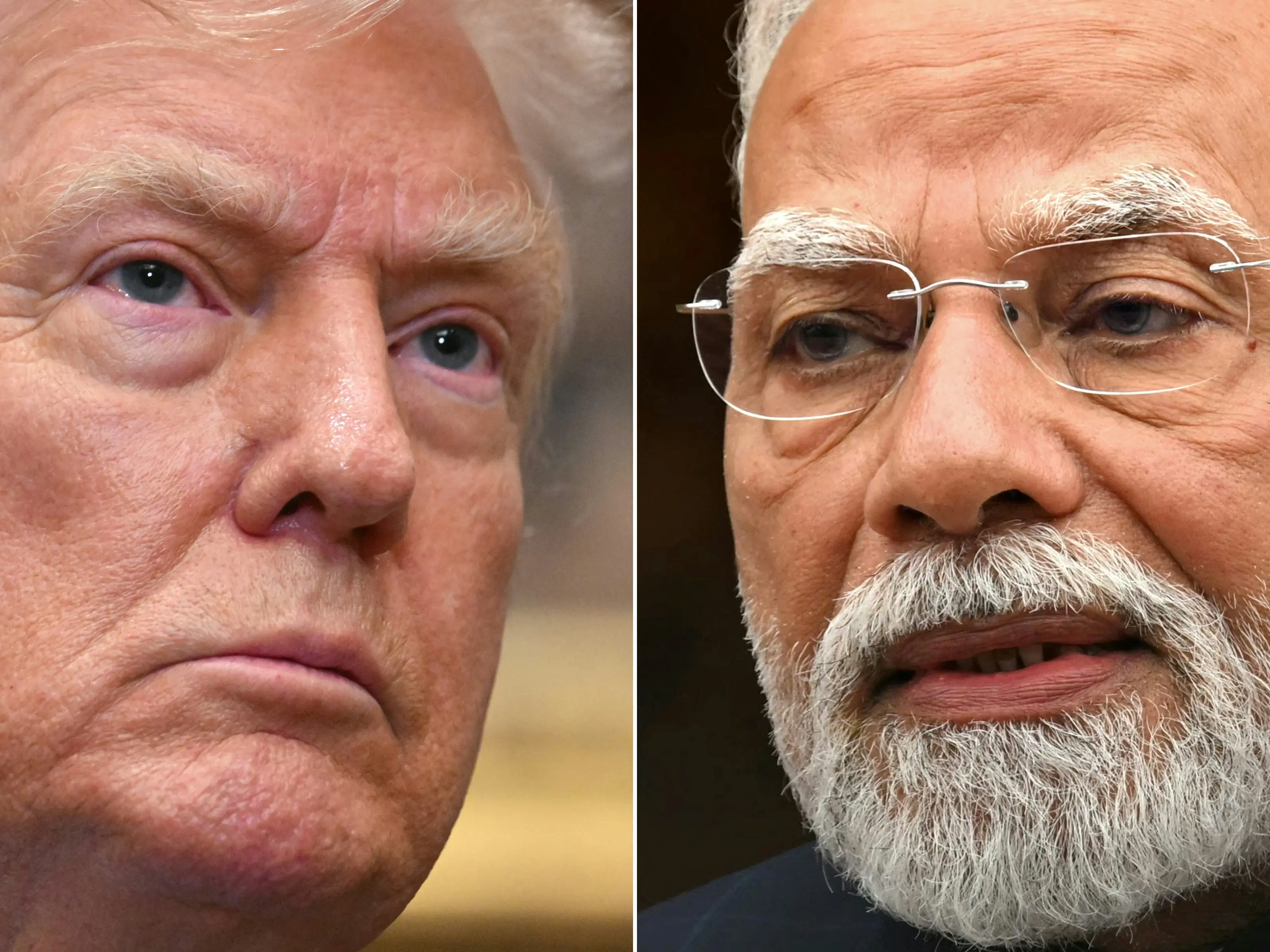
He stressed that India never compromises one partnership to favor another: “We do not act against one country on behalf of another.” Ashraf’s intervention followed recent comments from US President Donald Trump, who suggested America had “lost India to China” — remarks he later softened by clarifying his frustration stemmed from India’s continued imports of Russian crude. Trump added that Washington had already imposed 25% tariffs on Indian goods, with another 25% penalty tied to oil imports from Moscow.
Despite these tensions, Ashraf noted a “lowering of the temperature” in ongoing dialogue, signaling that space still exists to stabilise relations. Drawing from history, he reminded that India has consistently rejected third-party mediation, particularly on issues with Pakistan. He also recalled earlier pressure from Washington over the S-400 missile deal with Russia, when India stood firm despite threats of sanctions. On China, Ashraf underlined that India’s challenge is far more layered: “It is our foremost geopolitical, security, and economic rival, with complications at the bilateral, regional, and global levels.”

