World Theatre Day: Indian women artists-creators on bringing the female perspective on stage

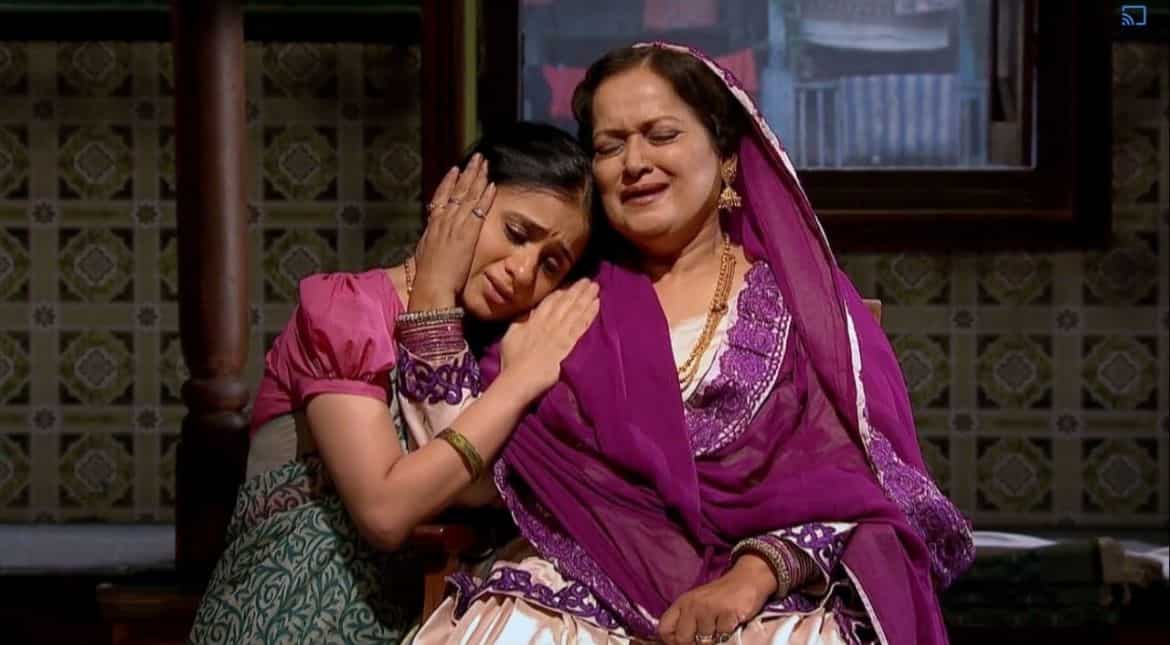
Himani Shivpuri from play Hamidbai ki Kothi.
Theatre has always remained a favourite of those who enjoy community watching. The thrill of sitting in an auditorium and watching characters perform live for your pleasure, is something that hasn’t lost its charm even today. While the post-pandemic world has put challenges towards those involved with the artistry of it all, the art is much appreciated even now if not more.
On World Theatre Day on March 27, we take a look at the emerging bond between women creators and artists in India’s theatre space. While there are ample numbers of powerful female protagonists in classical theatrical masterpieces that we have loved to indulge in, here’s taking a look at how over time, Indian women dramatists, directors, and playwrights have made their mark on contemporary Indian theatre. Names like Qurratulain Hyder, MK Binodini Devi, Vijaya Mehta, Nadira Babbar, Nuggehalli Pankaja, Manjula Padmanabhan, and many more have filtered personal and social narratives through the female gaze.
On World Theatre Day, Zee Theatre stars who also happen to be women speak to WION on how theatre is being enriched by the female perspective.
Well-known theatre, film, and television actor Dilnaz Irani says, "To begin with, I think theatre is much more advanced in terms of gender diversity, than films and has been for a long time. It is only in the recent past that the film industry has started giving women their due in stories and has seen the emergence of powerful women directors. In theatre, we have had influential actors and directors like Shernaz Patel and Ratna Pathak doing incredible work for a long time and women have been performing various roles in theatre from writing, producing, direction and costume styling, etc."

She believes a woman at the helm does make a difference to the narrative and says, "That's a different kind of empowerment. A man will obviously have a completely different perspective towards a story but today, the voice of a woman is being heard too. I've been lucky to work with a lot of women writers and directors. Eve Ensler's 'The Vagina Stories' for instance, is a play by women, for women and we have performed it all over the world. Today, I see so many one-woman plays in India which are power-packed and free-spirited. I feel lucky to be a part of this movement as it unfolds."
Veteran actor Himani Shivpuri feels, with the advent of OTT platforms, makers are increasingly choosing women-led stories. In theatre though, she feels, there has always been space for such stories though things could be better. "More diversity in story-telling is a good thing. One of my most memorable performances was in Krishna Sobti's 'Mitro Marajani' and it would be great if more such characters find their way into contemporary Indian theatre,” she says.

Purva Naresh, one of the most prolific and successful theatre exponents in India agrees and says, "The male gaze is dissipating if not disappearing. We are getting more stories where women are not just playing the role of a protagonist but expressing concerns about their identity, needs, and desires. Today, shifting from the heteronormative narrative to a more inclusive perspective is balancing the gender disparity overall but stories about women can't be coming from a male gaze. This practically dictates how characters will be written to fit into market demands and will end up underscoring the deep-rooted conditioning of the audience." Her play 'Ladies Sangeet' on Zee theatre hence takes a different route and is a counterpoint to the romanticisation of the Great Indian Wedding and the idea of marriage as a social institution.

Actor Smita Bansal who ventured recently into script-writing with the play 'Hello Zindagi' says the token representation of women characters in stories no longer works and they must have something substantial to do. She says, "I did not play safe with this play. I tried to focus on diverse female characters and gave equal importance to each one's story because every woman is unique."

Women are finally writing their own stories and taking up more space than ever before in theatre and this, as Dilnaz Irani says, is empowerment with a difference.

