Unveiling the silent pain: The emotional journey of new dads battling postpartum depression | Father's Day

Father's day
Father's Day is a moment to honour the strength and love of fathers, but let us not forget the profound complexity of their journey. While mothers are celebrated for their kindness and open expression of love, fathers often stand in the background, silently supporting their children in every facet of life. From the very realisation of impending fatherhood to the tender moments that shape their child's existence, fathers play an indelible role. They hold their newborn in their arms, guide the first wobbly steps, celebrate triumphs, wipe away tears of parting, and revel in their child's milestones. These moments, seemingly ordinary, become the life-defining chapters for any father.
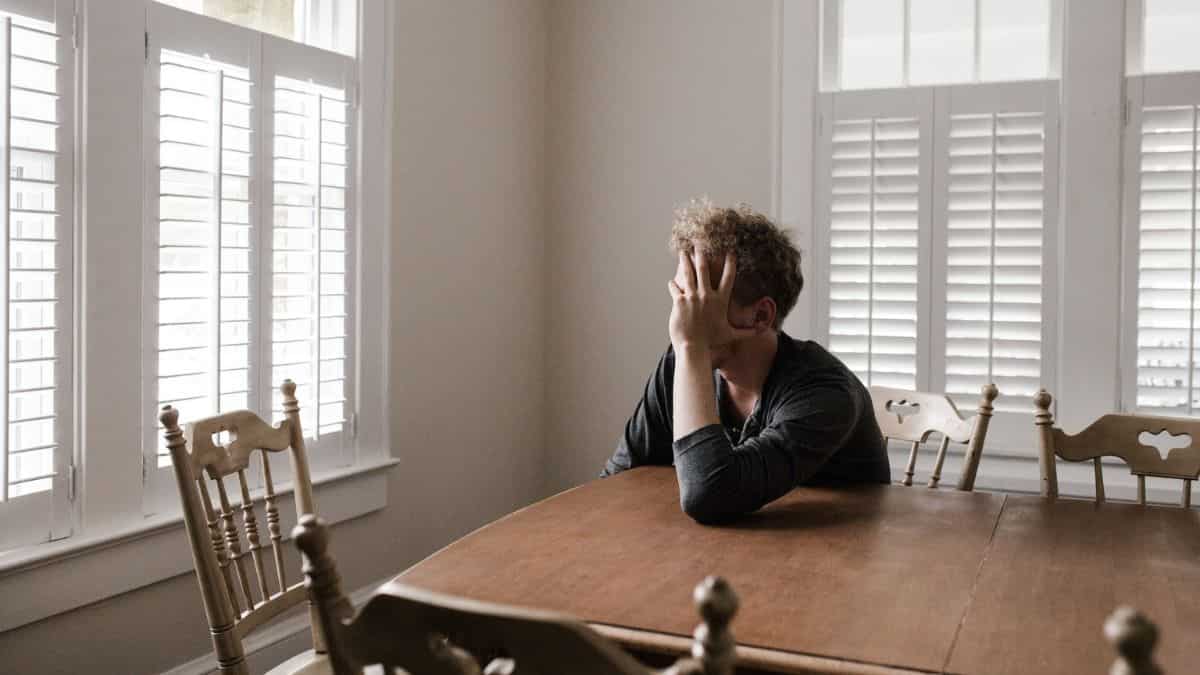
In a world that embraces change and inclusivity, we must acknowledge that fatherhood carries its own set of challenges. Beyond the surface of joyous moments and proud smiles, lies an unspoken reality: the silent struggle of postpartum depression in fathers. While postpartum depression is widely associated with mothers, it's crucial to recognise that fathers can also experience this emotional battle. Behind closed doors, new dads navigate a range of emotions, from the overwhelming responsibility of parenthood to feelings of anxiety, isolation, and self-doubt. Their stories remain untold, their pain often unseen.
This Father's Day, let us go beyond the surface, honouring the courage and resilience of fathers as they navigate the uncharted waters of fatherhood, sharing their untold stories and ensuring that their voices are heard and their struggles are acknowledged.
The Myth of the Happy Father
Fatherhood is a transformative experience, filled with moments of joy, pride, and love. However, behind the facade of beaming smiles and contentment lies a truth that often goes unnoticed and unspoken. In a conversation with my colleague, Pratik Prasenjit, Senior Social Media Manager at WION, who recently became a father, he shared a special moment that encapsulated the profound joy and sense of responsibility that comes with being a father.
Reflecting on a moment with his daughter within the first seven days of her arrival, Pratik recounted, "It was the third day following my daughter's birth. I had her in my arms as I sat in the hospital room. She looked up at me with her round, watery eyes. I started to sing to her, a lullaby that my mother used to sing to me when I was a child. She closed her eyes and listened, and I could feel her relax in my arms. When I was finished, she was asleep. I felt a wave of love wash over me, and a sense of peace and contentment that I had never felt before."
In that tender moment, Pratik experienced the immense bond between a father and his child, realizing the depth of love and connection that surpasses words. However, amidst these moments, it is also natural for fathers to experience anxiety and stress, particularly in their new role as a provider. In the pursuit of portraying a "happy father," society often overlooks the unresolved stress and issues that fathers face. These can stem from various sources such as work pressures, financial responsibilities, changes in relationships, and adjusting to the demands of parenthood. Fathers may internalize their struggles, fearing judgment or feeling compelled to prioritize their family's well-being above their own. However, neglecting their own mental health can have long-lasting effects.
The Unspoken Burden: The Emotional Toll on Fathers
In the realm of postpartum depression, fathers bear an unspoken burden often overshadowed by the focus on mothers. Fathers may grapple with doubts and insecurities, questioning their abilities and worrying about making mistakes. The weight of responsibility and the desire to be the best father possible can contribute to feelings of self-doubt and even lead to a sense of isolation.
Dr Ruchi Tandon, Co-founder of Queen's Gynecology and a Senior Consultant Gynecologist and Obstetrician, highlights the evolving dynamics of fatherhood and the added stress they face in the modern era.
She shares,"During pregnancy, fathers are deeply curious about the well-being of their wife and child, balancing excitement with the tension of health concerns. In a country like India, where many women are housewives, men actively engage in the financial aspects of pregnancy and the subsequent well-being of the mother and child. The pressure to be an 'equal contributor' in every aspect of pregnancy can lead to significant stress, exhaustion, and even pave the way for postpartum depression."
Postpartum Depression - Breaking the Silence
The arrival of a new baby brings joy, but it also brings a whirlwind of changes, sleepless nights, and added responsibilities. These factors, coupled with hormonal changes and the pressure to provide for their family, can take a toll on a father's mental health. In a thought-provoking conversation with Dr Deepak Raheja, Director & Chief Psychiatrist at Hope Care India, he provided valuable insights into the often-overlooked issue of postpartum depression in new fathers and the social stigma surrounding it.
According to Dr Raheja,“Postpartum depression in men is a complex interplay of biological, psychological, and social factors. Factors such as lack of sleep, increased stress, and the challenges of adapting to the new and evolving role of a father can all contribute to the onset of postpartum depression in men. However, the stigma associated with postpartum depression can vary across cultures and countries, and it remains a significant issue in India”.
Dr Raheja also highlighted several key factors contributing to the stigma:
Stereotypes around gender roles
Cultural expectations
Lack of awareness and knowledge
Navigating Fatherhood: Recognising the Signs of Postpartum Depression
In the journey of fatherhood, embracing emotional complexities is vital, including the risk of postpartum depression. Dr Tandon also highlights symptoms like persistent sadness, irritability, loss of interest, changes in appetite or sleep, and difficulty bonding with the baby as indicators in fathers. Postpartum depression affects both men and women, but the underlying biological and hormonal factors contributing to this condition differ between the genders. Both Dr Raheja and Dr Tandon confirmed the hormonal differences between mothers and fathers in the onset of postpartum depression. Biological factors such as hormonal changes, including a reduction in testosterone levels and an increase in prolactin and cortisol levels, can contribute to postpartum depression. Proactive recognition and addressing these factors as a unit can help new parents navigate their emotions and foster an empathetic environment for the mental health and well-being of their child.
The Importance of Support and Understanding: Nurturing Fathers' Emotional Well-being
The postpartum period is a transformative journey for both parents, yet fathers often face a lack of support and understanding. In a candid conversation, Pratik revealed that amidst the stress of pregnancy and the arrival of their little one, he and his partner had not discussed postpartum depression. This highlights how fathers can unintentionally neglect their own mental health while striving to fulfil the provider role and embody the image of an unbreakable hero. Society's expectations that men should remain stoic hinder their ability to express vulnerabilities and seek help. It is crucial to prioritize fathers' mental well-being through open conversations and accessible resources, creating a balanced and supportive postpartum experience for both parents.
Conclusion
Father's Day is a special occasion to celebrate the invaluable role of fathers in our lives. While we honour their strength and love, it is equally important to acknowledge the challenges they face, including postpartum depression.
Fathers are our first heroes, always striving to make us champions, but it's essential to recognize that even superheroes have moments of weakness and anxiety. The journey of fatherhood is multifaceted, and it demands our attention and warmth to ensure fathers receive the support they need. By unmasking the untold stories of new dads, we can foster a compassionate and understanding environment for all fathers. On this Father's Day, let us appreciate and champion the well-being of fathers, not only on this special day but every day.
WATCH WION LIVE HERE
You can now write for wionews.com and be a part of the community. Share your stories and opinions with us here.