How robotic joint replacement is transforming orthopaedic surgery

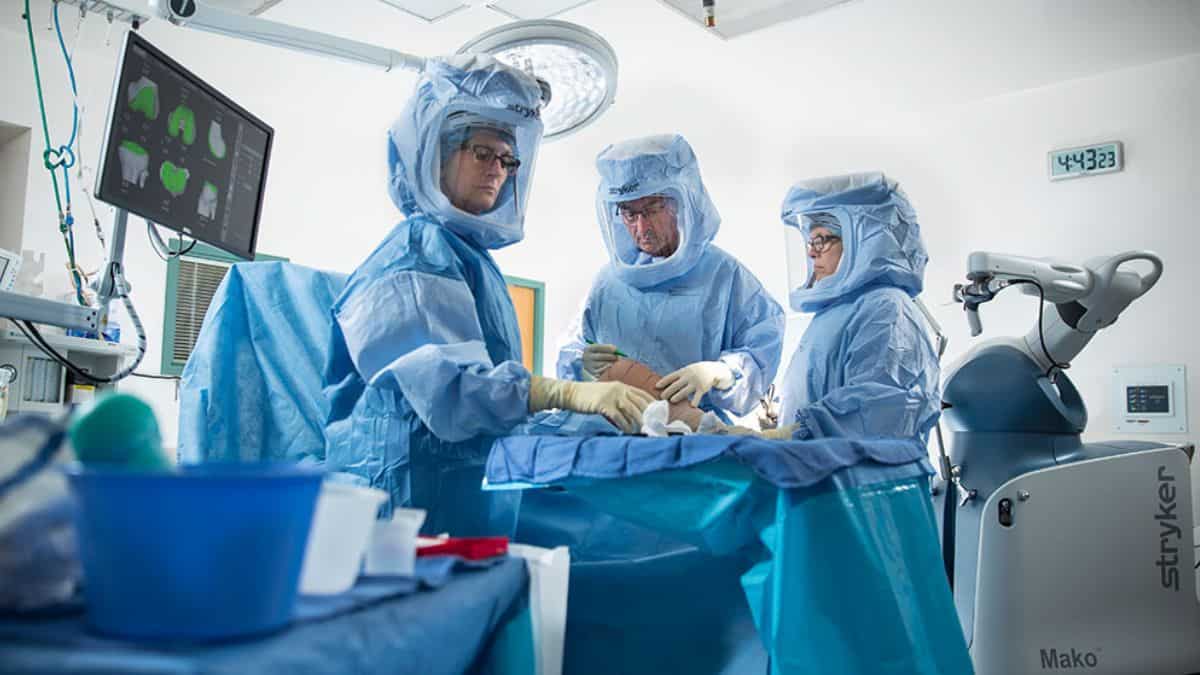
Robotic Joint Replacement Surgery
In recent years, the field of orthopaedic surgery has witnessed a profound transformation with the integration of robotics technology for joint replacement. This innovative approach has redefined precision and accuracy, delivering substantial benefits to both patients and surgeons.
Statistically speaking, studies have shown that robotic-assisted joint replacement surgeries result in significantly improved patient outcomes. For instance, research indicates that the accuracy of implant positioning in robotic knee replacements is within a fraction of a degree, compared to conventional techniques, where deviations are more common. This meticulous precision translates to longer-lasting joint replacements, reducing the need for costly and invasive revision surgeries.
Moreover, the adoption of robotic systems has led to a reduction in complications. Data reveals that the rate of postoperative complications, such as infections and implant misalignment, havenotably decreased with robotic assistance. Patients now experience reduced pain and a quicker return to their daily activities, with shorter hospital stays.
Notably, the advantages extend to surgeons as well. Robotic technology provides a platform for continuous skill improvement. Surgeons can analyse their performance and collaborate with peers, contributing to a collective pool of knowledge. Additionally, robotic systems have substantially reduced physical strain, contributing to extended careers and lowered surgeon burnout rates. Let's understand how robotics improves patient care and strengthens orthopaedic surgeons' skills.
Function of Robotic Surgery in Orthopedics
Instead of replacing doctors with machines, robotic technology in orthopaedic surgery aims to improve their skill and accuracy. Advanced software and hardware are used in robotic-assisted systems to give surgeons real-time information and direction during joint replacement procedures.
● Customised Planning: Robotic systems enable surgeons to create highly customised surgical plans for each patient. This includes precise measurements and assessments of the patient's joints, allowing for tailored solutions that may not have been possible with traditional techniques.
● Real-time Feedback: Robotic systems provide surgeons with real-time feedback on their actions during surgery. This continuous feedback loop helps ensure that the surgical plan is executed accurately, making on-the-fly adjustments when necessary.
● Minimised Soft Tissue Damage: Robotic surgery aims to minimize damage to surrounding soft tissues. This is especially important in joint replacement procedures, as preserving healthy tissue can lead to better postoperative outcomes and less pain for patients.
● Enhanced Visualisation: Robotic systems often include advanced imaging technologies such as 3D imaging and computerized tomography (CT) scans. These tools give surgeons a more detailed and comprehensive view of the surgical site, aiding in precise implant placement.
Benefits of Robotic Joint Replacement for Surgeons
Orthopaedic surgeons are at the forefront of the robotic revolution, and they are experiencing significant advantages from these state-of-the-art technologies:
● Reduced Physical Strain: Performing surgeries, especially joint replacements, can be physically demanding. Robotic systems assist surgeons in carrying out intricate tasks with reduced physical strain, potentially extending their careers and reducing the risk of burnout.
● Continuous Skill Enhancement: Robotic surgery systems allow surgeons to continuously refine and enhance their skills. They can review and analyze data from previous surgeries to improve their techniques and achieve even better patient outcomes over time.
● Lower Risk of Human Error: While surgeons remain in control, robotic systems serve as a safeguard against human error. They can prevent inadvertent movements or errors in judgment, further enhancing patient safety.
● Better Documentation: Robotic systems often generate detailed reports and records of the surgical procedure. This documentation can be valuable for quality assurance, research, and education, allowing surgeons to learn from each other's experiences and make further advancements in the field.
● Multi-disciplinary Collaboration: Robotic surgery platforms enable multi-disciplinary collaboration. Surgeons can work with engineers, radiologists, and other specialists to fine-tune surgical techniques and explore new possibilities for orthopaedic procedures.
Benefits for Patients
Ultimately, the primary beneficiaries of advancements in robotic joint replacement are the patients themselves:
● Faster Recovery: Thanks to the precision of robotic systems, patients experience less trauma to the surrounding tissues during surgery. This leads to quicker recovery timeand reduced postoperative pain.
● Improved Function: Robotic joint replacements are tailored to each patient's unique anatomy, resulting in better joint function. Patients can expect improved mobility and a quicker return to their daily activities.
● Reduced Risk: The accuracy of robotic systems reduces the risk of complications and the need for revision surgeries, offering patients peace of mind and a more predictable recovery process.
Robotic joint replacement surgery has ushered in a new era of orthopaedic surgery that places a premium on accuracy, safety, and better patient results. For patients with joint discomfort and degeneration, the merging of cutting-edge technology and the ability of orthopaedic surgeons has created new options.
(Authored by Dr Himanshu Gupta, MS. MCh Orth Specialised in Joint Replacement, Arthroscopy, and Sports Injury from AmiCare Hospital)
WATCH WION LIVE HERE
You can now write for wionews.com and be a part of the community. Share your stories and opinions with us here.