How can weight impact your knees? Know the connection!

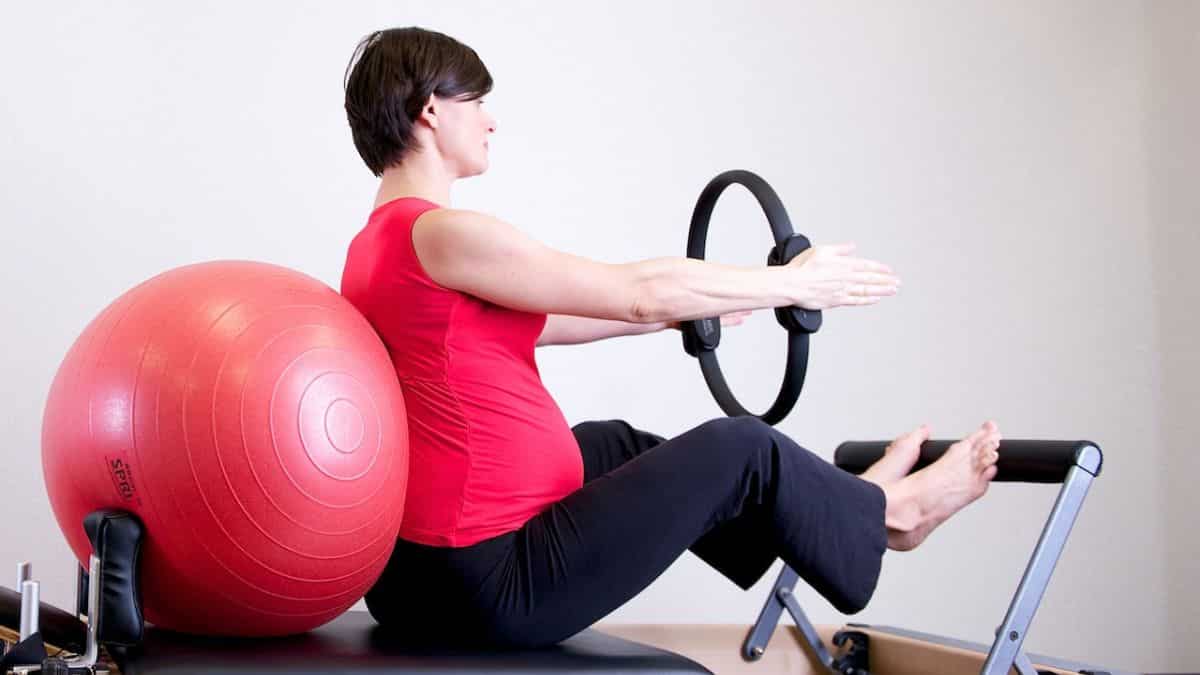
Knee and weight connection!
The knee and hip joints are the largest joints in the human body, people use both these joints to perform their routine activities. The knee joint holds about 80 per centof the body weight when a person is standing still and 150 per cent or more of the body weight when they walk across the room. All joints in the body are surrounded by cartilage, which is a smooth and slippery structure that protects the ends of the bones so that the bones glide over each other and don't rub against each other. When an individual puts on some extra kilos, more strain is put on the joint which results in inflammation. This results in osteoarthritis, which is wearing away of the cartilage that protects the ends of the bones. In this case, instead of gliding, the bones start rubbing against each other.
In osteoarthritis, the patient will experiencepain, swelling, and loss of movement of the joint which gradually worsens over time. The normal wear and tear in any individual starts at the age of 45 because of changes in protein and water content of the cartilage but in individuals who are overweight, arthritis can begin much earlier.
How much weight is too much weight?
Experts estimate that for every 1 pound you weigh, your knees feel the force of 3 pounds when you take a step. So, the more weight you gain, the more pressure your knees feel.
According to the Centers for Disease Control and Prevention in America, over 2 out of 3 Americans are overweight or obese and more than 1 in 3 of those obese people will get arthritis in their lifetime. This simply highlights how your weight is directly linked to your knee health.
The ideal weight for any individual is under 25 BMI. Anything over 25 BMI is overweight and after 30 it becomes obese. Therefore, individuals with a BMI of 25 and above arelikely to develop knee arthritis simply because the physical wear and tear of the knee joints increases.
How to reduce the impact on your knees? The dos and don’ts
Dos
● It is important to keep your weight in check. Performing physical activities like walking, swimming, aerobics, and cycling can help in weight loss which in turn helps in keeping the knees healthy.
● In the case of acute flare-ups of knee pain, it is a good idea to use the RICE approach (rest the joint, the use of ice, compression and elevation of the joint). This can help reduce acute flare-ups of joints.
● Even a small change or loss in weight makes a significant improvement in the biomechanics of the knee and the physical strength of the knee. So, celebrate every small milestone.
● Elderly people should start using crutches or canes to support the knee joint because over time the wear and tear in the knee joint increases. Hence, it is always useful to use these aids that help take away some sort of physical stress passing through the knee.
● Use cushioned insoles. Hard insoles tend to increase the impact of the knee joint.
● Lastly, one must reach out to a physician or orthopaedic doctor when they start noticing knee pain rather than wait till it worsens and then reach out to them.
Don’ts
● Avoid high-impact exercises such as jumping lunging, kickboxing, etc., since theyincrease the impact on the knee and the wear and tear of the cartilage.
● Another aspect to keep in mind is to avoid the risk of falls. At an older age, with an unstable walking gait, it is better to use support and some sort of home modifications likewell-lit corridors in the house, handrails to the staircase and use of a sturdy ladder or footstool to reach a certain height. These precautions will reduce the chance of injury to the knee joints.
What is the connection between weight and arthritis?
First, obesity leads to joint pain. The joint pain reduces the mobility of an individual. Thus, patients with reduced mobility, stop exercising. Lack of exercise increases body weight again. Therefore, this in turn leads to increased pressure on the joints. It forms a vicious cycle, which is hard to break. When weight increases, it puts pressure on the joints which in turn leads to arthritis. This again reduces body activity and in turn, leads to an increase in body weight.
Second, there are reports showing that extra body fat sometimes increases the chemicals in the bloodstream which causes increased inflammation of the knee joint. Increased inflammation means increased wear and tear of the cartilage which in turn worsens the osteoarthritis.
These are the two factors directly related to weight gain and osteoarthritis. Therefore, it's always a good idea to start losing weight when one notices knee pain early in life rather than reach a point of no return and then regret.
Lastly, meet your doctor as early as possible because, in the early stages of arthritis, one can always attend weight loss programmes, dietary plans and some physiotherapy to conservatively treat these knee problems. However, if the condition worsens, it is always good to get surgery or a knee replacement done so that you can return to your normal schedule and be able to exercise and maintain proper weight.
(With inputs fromDrSamarth Arya, Consultant Orthopaedics and Joint Replacement & Robotic Surgery, SPARSH Hospital)
WATCH WION LIVE HERE
You can now write for wionews.com and be a part of the community. Share your stories and opinions with us here.