Exclusive | How can men take care of their sperm health? Infertility specialist answers

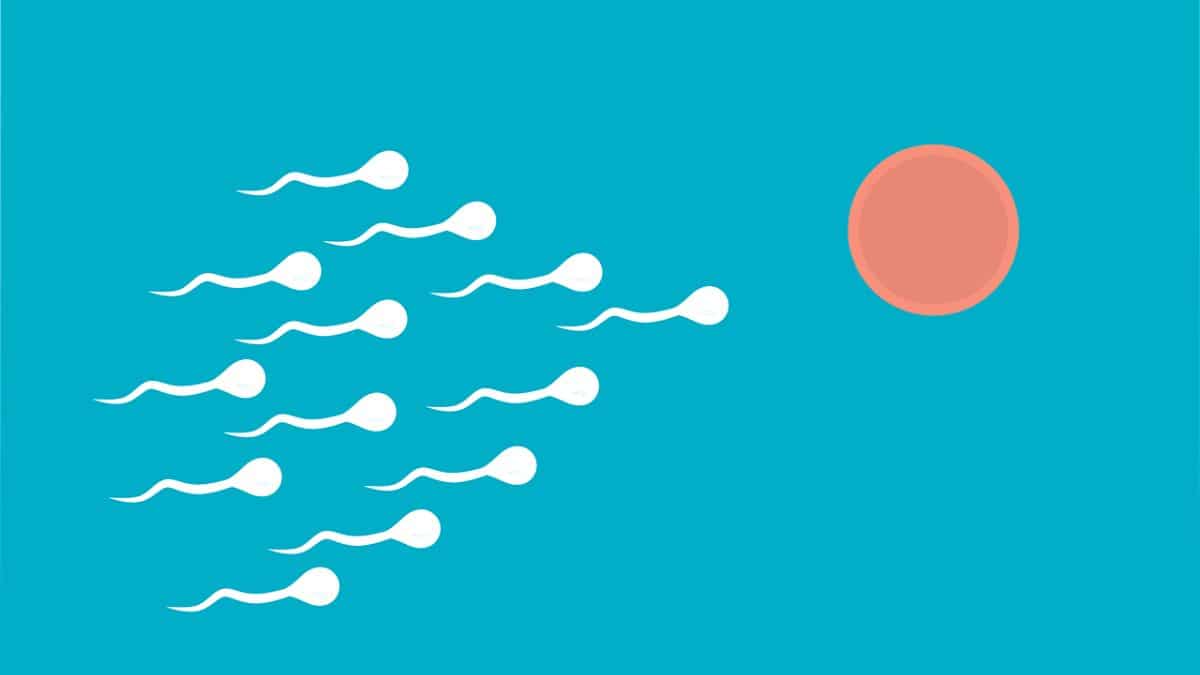
Sperm health
The focus offertility is often on the mother! Simply look at most prenatal supplements orprogrammes that usually just help mothers determine the right time or way to get pregnant. Several studies and research, however,emphasise the role of both mother and father in the act of conception. Many believe that there is little to no guidance or education for men to take care of their reproductive health because it's typically considered a taboo subject, whereas women are frequently encouraged to discuss it openly. Even today in several parts of the world, men are often overlooked when it comes to conception challenges. However, it is necessary to acknowledge and recognise that men, like women, have equal roles and responsibilities in the pregnancy process. Their sexual health is just as vital as that of their partner.
What is male fertility?
Male fertility refers to the ability of the testes to continuously produce sperm in order to fertilise an egg, as well as erect and ejaculate for the sperm to reach the egg.
Sperm quality is a key indicator of male fertility. It consists of the amount of sperm (sperm concentration), the form of the sperm (sperm morphology), and the ability of the sperm to swim to an egg (sperm motility). Recent studies shed light on the importance of sperm in a couple’s fertility journey and the precautionary steps required to ensure optimal sperm health. The quality of human sperm has plummeted by 50 per cent to 60per cent over the last 40 years, and variables such as a high-fat diet, diabetes and obesity may be to blame. Environmental factors, lifestyle, and genetics can also influence male fertility.
Male infertility: Exploring the emerging health threat
Today, stress, a constantly shifting lifestyle, and a lack of physical activity make it difficult for usto focus on our reproductive health. Stress has a direct impact on men's mental, emotional, and physical well-being. Glucocorticoids, for example, may lower testosterone levels and sperm production. Alcohol, Tobacco and smoking can also hamper male fertility. Nutritional deficiency and underlying health conditions such as thyroid disease, obesity, advanced heart disease, and cancer treatments like chemotherapy and radiation, can also contribute to fertility decline in men.
Below are simple yet effective lifestyle alternatives that can help an individual optimise their sperm health and improve their fertility rates:
Excessive smoking or alcohol consumption reduces sperm quality, increasing the likelihood of infertility. Regular alcohol consumption can lower testosterone levels, resulting in erectile dysfunction and decreased sperm production. Tobacco, on the other hand, has been linked to decreased sperm concentration, motility, and DNA damage in sperm.
Overwhelming stress can result in erectile dysfunction, low libido, and low sperm count. Meditation, yoga, participating in hobbies, and seeking expert help can help individuals maintain a healthy balance between their personal and boundaries as well as ensure optimal mental health. Getting adequate sleep is also essential for good fertility health.
Your BMI (Body Mass Index) is a metric that analyses your height and weight to determine whether or not your weight is healthy for conception. Being overweight or obese can have an adverse impact on the quality and quantity of your sperm, which can further lead to fertility issues.
To keep your body nourished, eat a well-balanced diet rich in green vegetables, whole grains, legumes, fruits, and iron-rich foods. Fresh, whole foods, particularly fruits and vegetables, are high in antioxidants and vitamins that promote fertility. Vitamins C and E are very beneficial.
Exercise is essential in one's fertility path.Being physically fit is also essential for a successful transition to parenthood. In today’s fast-paced life, a daily 30-minute brisk walk is also an effective technique to enhance your fertility rates. However, it is crucial to understand that excessive exercise and rigorous muscle-building workouts can impair the quality of your sperm.
Hygiene is a critical aspect of maintaining reproductive health. The male genital area is situated outside the body to create sperm at a cooler temperature. Personal hygiene practices such as hand washing after using the lavatory, keeping the genital region clean, and wearing clean and breathable pants, should be instilled in children at a young age in order to avoid diseases and infections.
Sexually transmitted diseases such as HIV (human immunodeficiency virus), Syphilis, Chlamydia, and Herpes can cause male infertility. Without a developed vaccination, prevention is the best way to protect against these diseases. Contraception should be encouraged and sex education should be imparted from a young age and included in high school curriculums.
Keeping heated computer systems in the pelvic area can raise the scrotal temperature, resulting in a reduced sperm count. Hence, computers should be placed on tables while working. The testicles are located outside the body as they require a slightly cooler environment in order to create high-quality sperm. Sperm thrives at temperatures just below body temperature. Take frequent pauses outside if you operate in a hot area, such as a kitchen or a bakery. Metals, solvents, pesticides, and non-water-based paints can all have an effect on sperm count, so take precautions to prevent direct contact with these pollutants.
Maintain frequent health screenings to catch any underlying condition. Visiting a doctor on a frequent basis can help gain a deeper understanding of one's reproductive health. This is a prophylactic step that can assist maintain track of one's health and uncover any issues that may lead to infertility later on.
Exposure to high levels of caffeine and soy can interfere with your reproductive health. Therefore, it is important to limit your caffeine intake to at least 200mg a day (2 cups a day) during your fertility journey. Not more than 2 cups of black coffee should be consumed if caffeine is a must. Several studies have suggested that phytoestrogens present in soy and soy-derived products may alter male and female reproduction.
Whether you have been trying to conceive for a while, or you are just considering giving it a try, it is important to maintain good health. Stay up to date on routine physicals and dental exams, and make whatever lifestyle changes you can. This might mean giving up smoking or limiting your alcohol consumption.
If you have been having unprotected sex for 6 months or longer without conceiving, talk to a healthcare provider.
(Inputs byDr Sandeep Talwar, Infertility Specialist, Nova IVF FertilityVasant Vihar)
Disclaimer: Please note that the information provided on this website is for informational purposes only and is not intended as a substitute for professional medical advice, diagnosis, or treatment. Always seek the advice of your physician or other qualified healthcare providers with any questions you may have regarding a medical condition. The content provided on this website should not be used to diagnose or treat any health problem or disease. If you have or suspect that you have a medical problem, please contact your healthcare provider immediately. Never disregard professional medical advice or delay in seeking it because of something you have read on a website.
WATCH WION LIVE HERE
You can now write for wionews.com and be a part of the community. Share your stories and opinions with us here.