Decoding why people are increasingly interested in immersive art centres in India

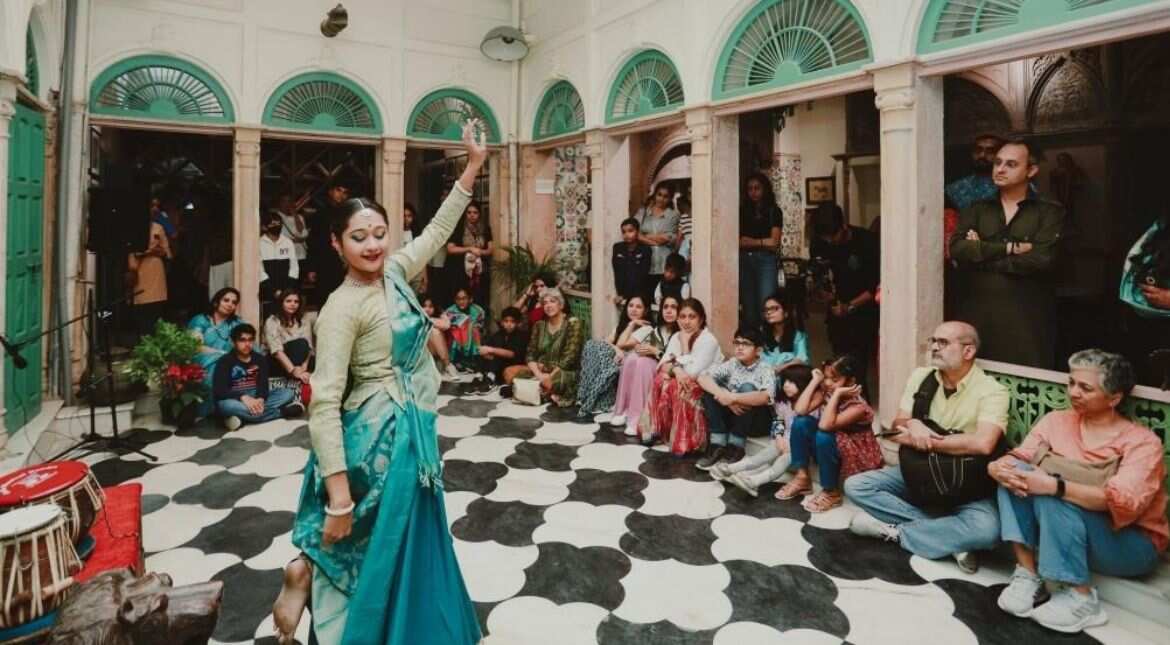
Kathika Cultural Experience
Art should never be elite, it should never be hard to decipher, and it should never be boxed. A good piece of art, however conflicting and chaotic, should offer something to the viewer/watcher. Stuck in a space that is today dominated by technology and human beings inflicted with a short span of attention, courtesy the Instagrams of the world, the rise of immersive art centres offers a perfect antidote to the modern chaos.
India has been seeing a rise in immersive art centres because the art here is not only deeply fluid (hence interpretable by all) but multi-sensory and experiential. As a creative process engaging with all the human senses, immersive art conjures up a quiet language of new meanings and understanding. A sign of our times, these art centres are now a focal point of our cultural landscape with their numbers seeing a new upsurge.
Arthshila Centre
“I see immersive art playing a significant role in the future of the art world, evolving to become more innovative, experiential, and inclusive,” says Setika Singh, Executive Director of Takshila Foundation, which recently launched the immersive art centre called Arthshila in Indian capital city, New Delhi. Arthshila has outposts in Ahmedabad and Shantiniketan, apart from New Delhi and will be soon launched in Patna and Goa.
Singh reckons that with the advancement of technology, immersive art experiences will become increasingly sophisticated, offering new possibilities for creativity and expression. “They will continue to challenge perceptions, inspire dialogue, and foster connections within the arts community, shaping the future of artistic expression and engagement,” she adds.

Kathika Cultural Centre
As a new wave of art spaces takes centre stage in our cultural calendars, there’s reason to believe that a participatory spirit lies at the heart of their popularity. “Immersive art involves direct engagement of its observer. Through its design and execution, it creates an environment where the senses of the observers are heightened and they are given a platform to directly participate in the art,” says Atul Khanna, conservationist and founder of Kathika, New Delhi, a one-of-a-kind museum and cultural centre. It has recently launched the ‘Kathika Cultural Experience,’ where you can feel connected to the art and the artist personally.
Khanna believes that the immersive arts make use of displays and installations that stimulate the auditory, tactile, and olfactory senses. With museums and art centres using more and more immersive art installations, he points out that visitors are no longer just observers, but participants in the artwork.

The experiences pave the way for a more personal connection with the art. “Traditional art does not allow people to physically interact with it. Hence, immersive art is gaining popularity because it leaves a profound impact on people by stimulating their emotions, sparking creativity and providing them the opportunity to escape from reality and enter the world of virtual reality,” he says.
Why Immersive Arts Are Now More Popular Than Ever
There are multiple reasons why the immersive arts genre is making its presence felt more deeply. Founders attribute this buzz to a host of factors. Setika Singh says, “There’s a desire to create inclusive and accessible spaces for artistic expression. Additionally, immersive art centres serve as platforms for promoting cultural exchange, fostering creativity, and nurturing the next generation of artists and audiences, contributing to the vibrant arts ecosystem in India.”
The diversity offered by the new crop of immersive art centres, including Arthshila and Kathika is not only refreshing but also connects in meaningful ways with a younger batch of patrons.For instance, Arthshila Art Centre hosts a range of exhibitions, workshops, performances, and screenings and curates interactive events so as to cast a wider net among different categories of audiences.
At the Kathika Cultural Centre and Museum, patrons can witness spellbinding 'jugalbandi' and kathak performances in an unorthodox way. They can experience the performances as an immersive art form by participating in them on various occasions. The Kathika Museum also offers visitors the space to interact with displayed objects, such as handicrafts and learn about them in their traditional setup.
Immersive art centres are flexible, unconventional and constantly reconfiguring the limits of art practices in the modern cultural milieu. They are also creating a space for reflection, stimulating the senses, provoking the mind, evoking emotions, and fostering deep connections. As Singh puts it aptly: “They create memorable and transformative – often healing experiences that challenge perceptions, inspire creativity, and nurture well-being.”

