Dhurandhar: The Revenge streams on OTT; Relive 8 unforgettable Ranveer Singh moments that you can't miss

&imwidth=600&imheight=450&format=webp&quality=medium "Dhurandhar: The Revenge streams on OTT; Relive 8 unforgettable Ranveer Singh moments that you can't miss")
Dhurandhar: The Revenge Photograph: (X)
Dhurandhar: The Revenge begins its OTT journey. After seeing massive success at the box office, the film has once again become the most talked-about. For those who didn’t get a chance to witness Ranveer Singh’s gritty performance, look at the powerful scenes that still give the chills.
As Aditya Dhar’s Dhurandhar: The Revenge secured its position on OTT platforms, the wave of excitement has once again swept among fans. Before watching the film on OTT, here’s a short explanation of a few unforgettable moments of Ranveer Singh you can’t miss. From the innocence of Jaskirat to the commanding presence of Hamza, he delivers a performance filled with detail, emotion and conviction. Take a look.
The family portrait that introduces Jaskirat
One of the most understated yet important moments arrives right at the beginning. In a seemingly ordinary family photograph, Ranveer establishes Jaskirat as a gentle and emotionally grounded young man. Through his body language and expressions, he conveys innocence, warmth and a sense of belonging. It's a brief scene, but it lays the foundation for everything that follows. Knowing where the character eventually ends up makes these opening moments even more poignant during a rewatch.
When grief turns into fury
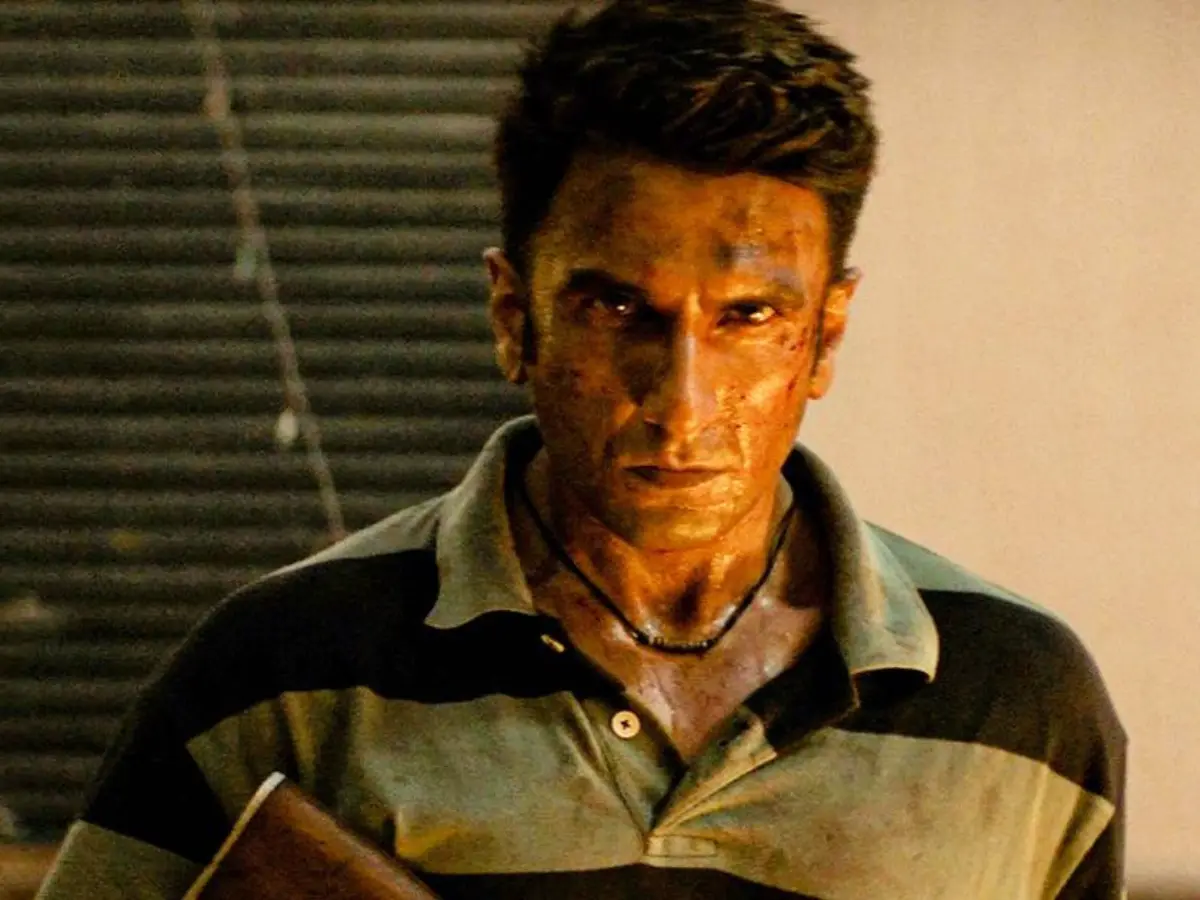
The turning point in Jaskirat's life is one of the film's most emotionally charged sequences. Faced with a devastating personal loss, Ranveer portrays a man whose world is collapsing around him. Instead of relying on dramatic outbursts alone, he layers the scene with pain, disbelief and helplessness. The rage feels earned because it emerges from heartbreak, making the transformation all the more powerful.

Dhurandhar: The Revenge Photograph: (X)
The rise of Hamza
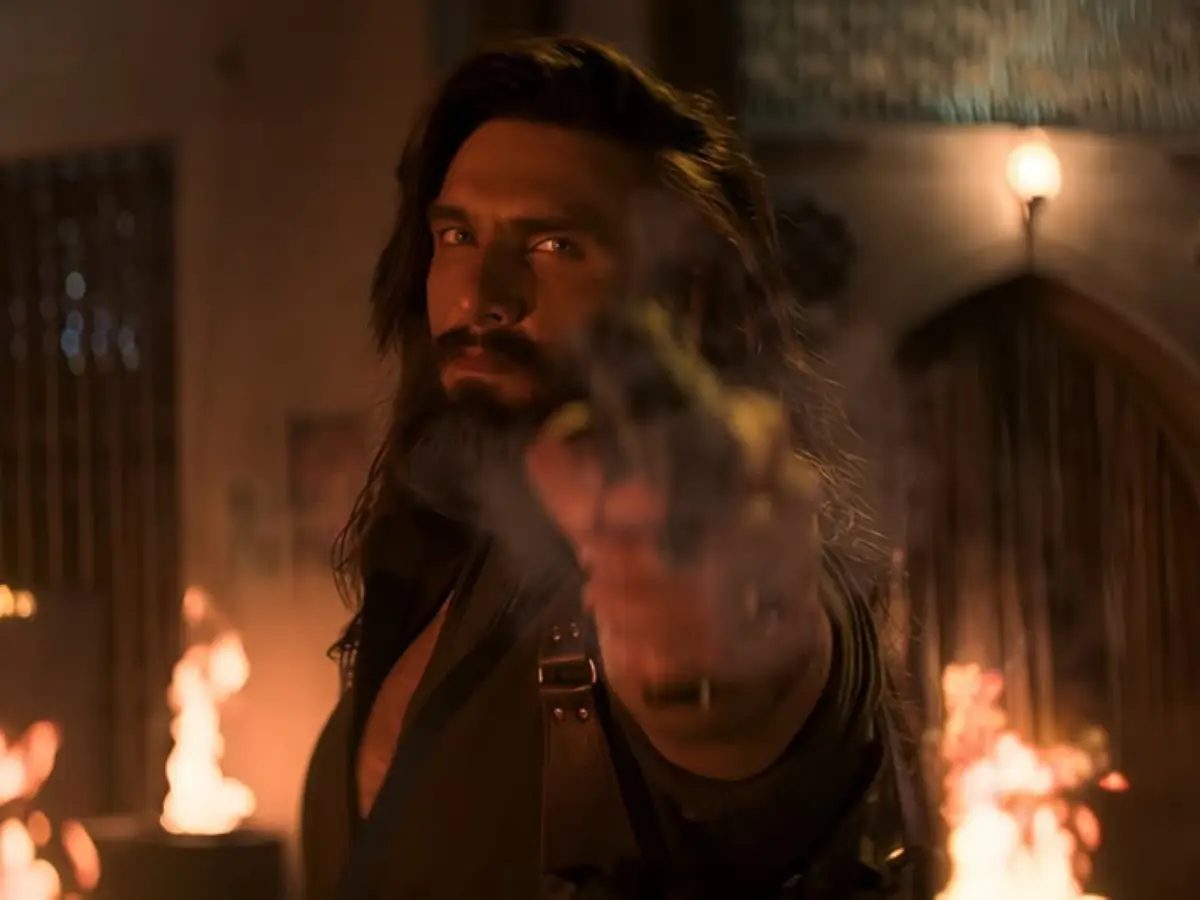
The moment Hamza fully embraces his destiny remains one of the most celebrated portions of the franchise. Whether it's the way he enters a room, commands a crowd or simply sits in silence, Ranveer radiates authority. The performance isn't dependent on dialogue; it's built on presence. Through controlled expressions and unwavering confidence, he creates a character whose influence can be felt in every frame. It's a sequence that continues to stand out for the sheer magnetism he brings to the screen.
The reunion with Pinda
Among the film's quieter moments, the reunion with Pinda remains one of its most emotionally rich. Years of friendship, memories and unresolved emotions come together in a single interaction. Rather than making the scene overly dramatic, Ranveer opts for restraint. Small changes in expression and subtle pauses communicate everything the character is feeling. It's a reminder that some of the strongest acting often happens in silence.
Aalam's death and the cost of power
Hamza's most heartbreaking moment comes when he has to kill Aalam with his own hands. The rage and breakdown Singh brings to the scene grab attention. He expertly balances conflicting emotions throughout the sequence. On the outside, Hamza tries to keep control, but underneath, the audience can see the pain eating him up.
The showdown with Major Iqbal
Every great action drama needs a memorable confrontation, and the clash between Hamza and Major Iqbal delivers exactly that. Ranveer approaches the scene with complete confidence, using both physicality and dialogue delivery to heighten the tension. His now-famous line, "Agar tum logon ke patakhe khatam ho gaye ho toh main dhamaka shuru karu," became one of the defining moments of the film, drawing loud reactions from audiences and further cementing Hamza's larger-than-life image.
)
Dhurandhar: The Revenge Photograph: (X)
The man behind the myth
Despite Hamza's intimidating persona, some of the film's strongest moments arrive when the character allows himself to be vulnerable. In a deeply emotional conversation with Yalina, he briefly sheds the armour he has built around himself and reconnects with the person he once was. As he asks her to call him by his real name, Jaskirat, viewers are reminded that beneath the feared figure lies a man still carrying the scars of his past. Ranveer handles the scene with remarkable tenderness, making it one of the emotional highlights of the film.
The way back home
The final stretch of the film contains one of its most quietly effective moments. With very little dialogue, Ranveer communicates a flood of emotions through expressions and movement alone. There is longing, regret, relief and uncertainty all present in a single sequence. It is a testament to his ability to hold attention without saying a word and demonstrates the confidence of an actor fully in control of his craft.

