
Anil Kapoor vs AI: Delhi High Court passes order in favour of the actor

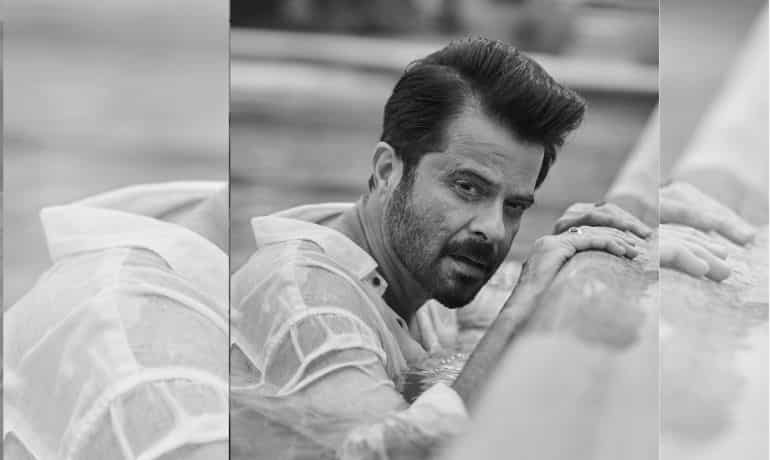
Anil Kapoor
The Delhi High Court on Wednesday took a significant step to protect the personality and publicity rights of Bollywood actor Anil Kapoor. An interim John Doe order was issued to prevent any misuse of Kapoor's image and persona for commercial purposes, including on social media platforms and e-commerce websites.
Justice Prathiba M Singh, presiding over the case, has made several key rulings and observations in the case.
According to the court order, unauthorised entities are prohibited from exploiting Anil Kapoor's name, voice, image, or dialogue for commercial gains in an illegal manner.This extends to preventing the creation of merchandise, ringtones, or any other products using Kapoor's persona without proper authorisation.
Additionally, the court has taken into account the potential misuse of artificial intelligence tools to manipulate Kapoor's image. It has also restricted the use of his likeness in GIFs for monetary purposes or any other commercial activities that could infringe upon his rights. To further enforce these measures, domains like Anilkapoor.com have been ordered to be suspended and blocked immediately.
Addressing a significant concern raised by Kapoor, the court has directed the Union Ministry of Electronics and Information Technology (MEITY) to issue a blocking order specifically targeting pornographic content that utilises morphed images of the actor.
Anil Kapoor's lawsuit was comprehensive, seeking to restrain the unauthorized use of not only his name but also his acronym "AK," voice, image, and various sobriquets associated with him. The actor also aimed to put an end to the unauthorized sale and distribution of products such as keychains, t-shirts, and various forms of audio-visual content like images, GIFs, and videos.
It's worth noting that this interim order follows a similar one issued by the Delhi High Court in a case involving veteran actor Amitabh Bachchan in the previous year. The rulings set a precedent for the protection of celebrity rights in India, sending a strong message about the importance of respecting and upholding the personal and publicity rights of public figures in an era of artificial intelligence.

