American jazz innovator Wayne Shorter dies at 89

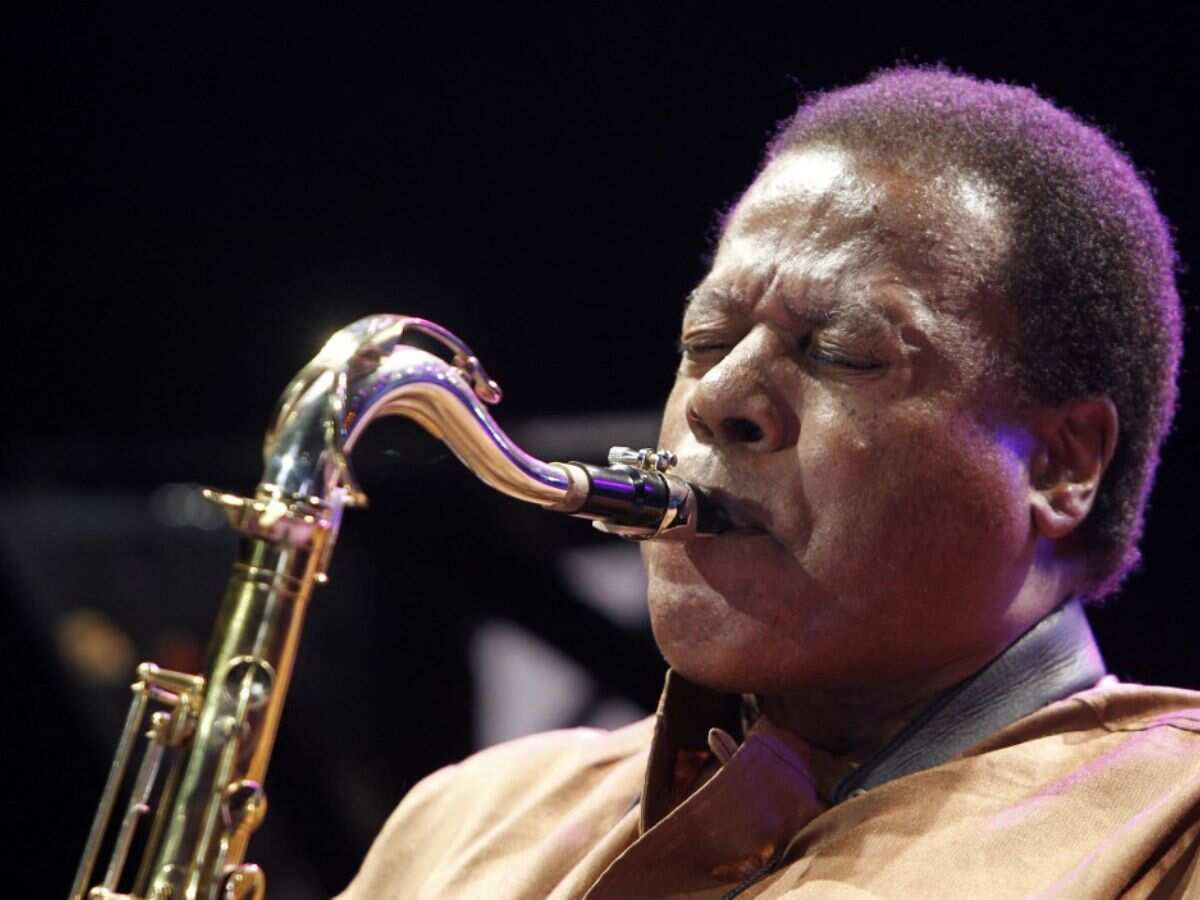
File image of Wayne Shorter
Wayne Shorter, the storied saxophonist considered one of America's greatest jazz composers and among the genre's leading risk-takers, died on Thursday in Los Angeles. He was 89.Shorter's publicist Alisse Kingsley confirmed his death to AFP, without specifying the cause.
The enigmatic jazz elder performed with fellow legend Miles Davis and went on to become a leading bandleader on both soprano and tenor sax, including with his group Weather Report.
He was one of the last living jazz greats to have cut his teeth in the genre's 1950s heyday when it was both the soundtrack at dance halls and gained ground in intellectual circles.
He won 12 competitive Grammys over his long career, the last of which came just last month, as well as a lifetime achievement award from the Recording Academy.
Tributes quickly poured in, with keyboardist Herbie Hancock -- one of Shorter's best friends and regular collaborators -- calling him "irreplaceable."
"I miss being around him and his special Wayne-isms but I carry his spirit within my heart always," Hancock said in a statement released by Shorter's publicist.
Trumpeter and composer Wynton Marsalis hailed Shorter as a "giant of saxophone regardless of register" and a "jazz messenger," while jazzman Jon Batiste chimed in: "Truly one of one."
- Early musical talent -
Born on August 25, 1933 in Newark, New Jersey, Shorter expressed early interest in music and took up clarinet as a teenager.
He picked up the saxophone -- which became his instrument of choice -- shortly thereafter.
Shorter and his brother would play bebop, calling themselves Mr Weirdand Doc Strangefor their antics like wearing dark sunglasses in a dimly lit club.
"And we had wrinkled clothes, because we thought you played bebop better with wrinkled clothes," Shorter told The Atlantic in 2004.
"You had to be raggedy to be for real."
He attended New York University, where he graduated with a degree in music education in 1956, and spent two years in the army, where he played with jazz pianist Horace Silver.
"I knew that people start on instruments when they're five years old, so I did think I had a lot of catching up to do," he told The Washington Post before receiving the prestigious Kennedy Center Honor, celebrating the best in American arts, in 2018.
"But when things started to move, opportunities came at a pace I hadn't seen."
- 'Real composer' -
In 1964, Shorter left Art Blakey's Jazz Messengers -- with which he found international fame, touring for four years and becoming the band's musical director -- to join trumpeter Davis.
It was with Davis' Second Great Quintet -- which included Hancock -- that Shorter began flexing his composing muscles, channeling his innovative spirit within the traditional rules of jazz.
Davis often described the group's ethos as "time, no changes" -- allowing free jazz without completely scrapping strictures.
The collaboration delivered some of the 20th century's best known jazz, including the songs "E.S.P.," "Nefertiti" and "Footprints."
"Wayne is a real composer" with "a kind of curiosity about working with musical rules," Davis said in his autobiography.
"If they didn't work, then he broke them, but with musical sense; he understood that freedom in music was the ability to know the rules in order to bend them to your own satisfaction and taste."s that it takes courage to leap into."
WATCH WION LIVE HERE
You can now write for wionews.com and be a part of the community. Share your stories and opinions with us here.

