WTO Showdown: US-led reform efforts trigger friction with India

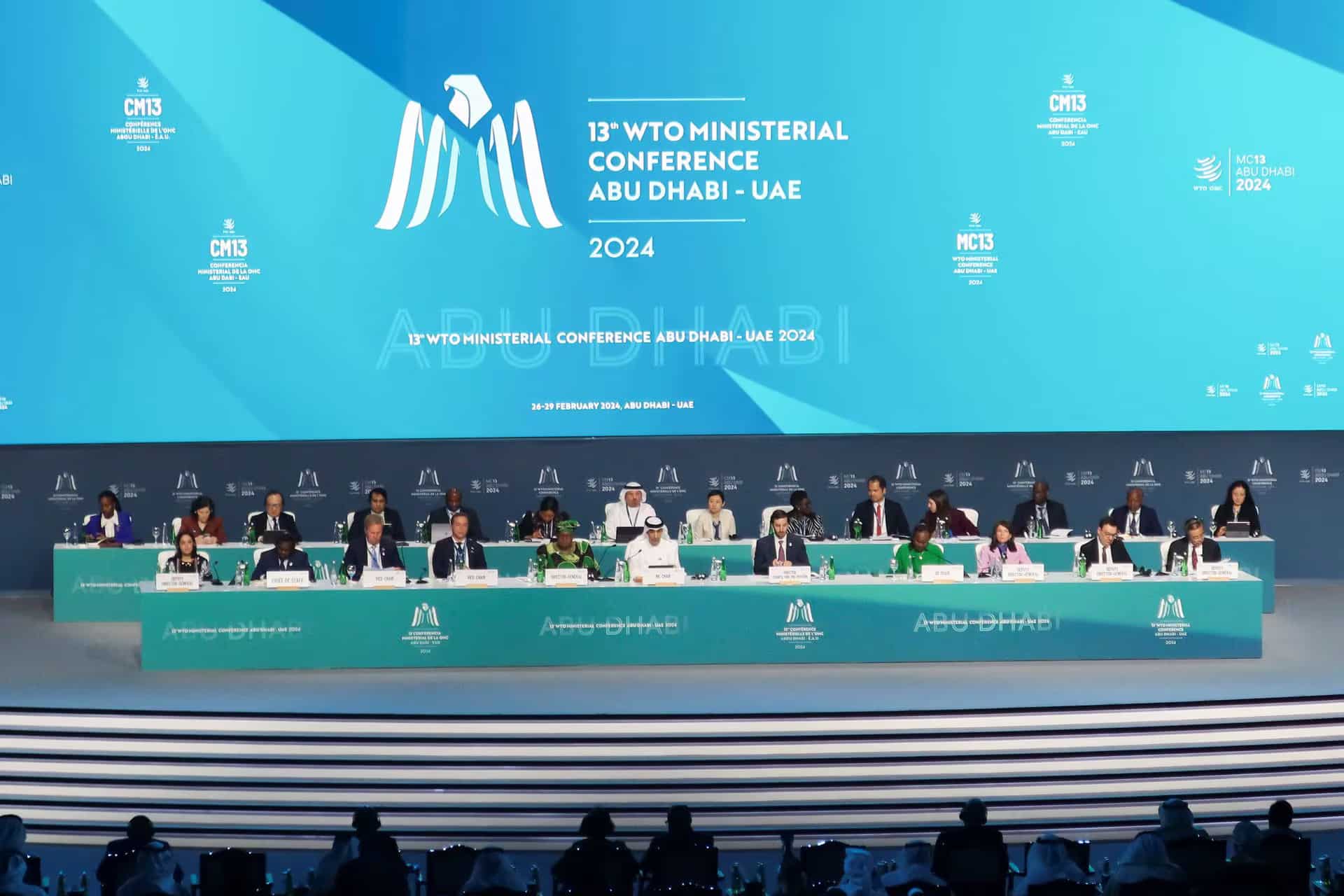
Delegates attend the 13th WTO ministerial conference in Abu Dhabi
Adispute has arisen over reforming the World Trade Organisation's dispute settlement system atthe 13th ministerial meeting (MC13),with India accusing the US of stalling progress.
Under President Donald Trump, the US obstructed the appointment of new judges to the WTO's appeals court, which led to a deadlock in 2019.
Despite efforts for reform, several disagreements persist among member states.
India has highlighted the importance of restoring the appellate body before advancing on other agreements, such as fisheries subsidies and agriculture.
There are concerns that delays in restoring the appellate body could jeopardise WTO's operations, especially if Trump is re-elected.
The Appellate Body, the appellate branch of the dispute settlement system, has not operated since December 2019 after the United States blocked the appointment of its members.
This has led to questions being raised on the legitimacy of the WTO as a whole as well as the rules-based trade system it maintains.
The Ministry of Commerce and Industry has said,"A credible and reliable WTO dispute settlement system is the bedrock of an equitable, effective, secure and predictable multilateral trading system."
Seeking formalisation and multilateralisation of reform discussions
While participating in informal dispute settlement reform discussions for the past year, India has highlighted the challenges faced by developing countries due to the format and pace of these discussions.
The Ministry has called for the immediate and effective formalisation and multilateralisation of the reform process, proposing a three-point action plan:
- Transition discussions to formal WTO bodies:India has called for the discussions to be moved to formal WTO bodies, preferably under the guidance of the Dispute Settlement Body Chair, to fulfil the mandates set forth in the 12th Ministerial Conference Declaration.
- Ensure effective multilateralisation:India has emphasised the need for an inclusive and member-driven process that acknowledges the capacity constraints of developing countries and least developed countries. This includes allowing for new proposals at any stage and ensuring the resulting text reflects the diverse viewpoints and is reached through consensus, with hybrid participation options.
- Prioritise restoration of the appellate body:India has reiterated the importance of prioritising the restoration of the Appellate Body as a key element of the reform process.
(With inputs from agencies)