
&imwidth=800&imheight=600&format=webp&quality=medium "US Commerce Bureau faces backlog of export applications, including critical technology")
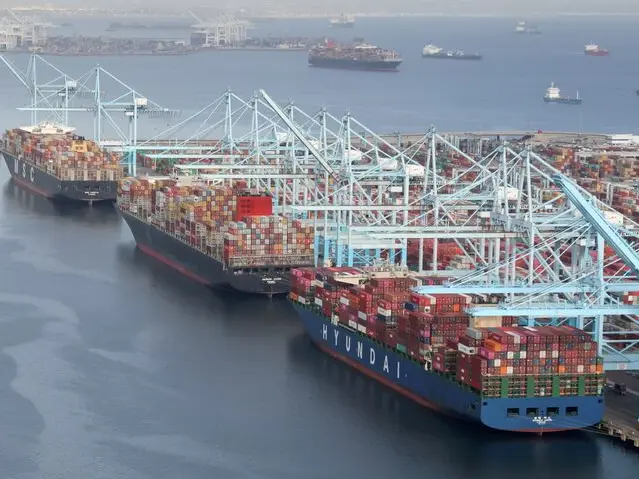
Thousands of export license applications by US companies, including those for sensitive technology shipments to China, are stuck in limbo due to turmoil at the US Department of Commerce. A report by Reuterssays that dysfunction at the Bureau of Industry and Security (BIS), the agency tasked with approving these licenses, has caused significant delays, leaving companies and industries in uncertainty. The most high-profile case involves Nvidia’s efforts to ship artificial intelligence (AI) chips to China. Despite assurances from Commerce Secretary Howard Lutnick and other officials in July that licenses for Nvidia’s H20 chip would be granted, reports suggest no licenses have been issued yet.
Nvidia had hoped to begin deliveries soon after receiving confirmation in mid-July, with billions of dollars' worth of AI chip orders at stake. The delay in approval is the latest example of the agency’s increasingly unpredictable and slow license process. The agency’s paralysis has left many US companies waiting for approval on a wide range of goods, from semiconductor manufacturing equipment to advanced sensors. The situation has been compounded by internal leadership issues, an exodus of staff, and poor communication between the BIS and industry representatives, according to several sources familiar with the matter.
Internal turmoil and leadership challenges at BIS

The BIS, which plays a crucial role in enforcing export restrictions to safeguard national security, has become nearly paralysed due to internal turmoil. The report by Reuters suggests that Jeffrey Kessler, who became BIS undersecretary in March, has micromanaged the bureau and failed to engage in adequate communication with industry stakeholders. At a staff meeting shortly after his appointment, Kessler reportedly instructed BIS employees to limit communication with companies and to log all meetings in a spreadsheet. Additionally, reports say that obtaining approval from Kessler’s office for meetings with other government agencies has also become increasingly difficult.
The lack of clear communication has raised concerns within both the US government and the private sector.
The current backlog of license applications is the longest in more than three decades, according to one US official. In fiscal year 2023, the BIS processed 37,943 export license applications, taking an average of 38 days to process each request. However, the agency has struggled to keep up with the increasing volume of applications, especially those involving sensitive technologies.
Trending Stories
)
Three labourers killed as DU student loses control of his car, rams into them on Dwarka Expressway
)
Pentagon revives mandatory testosterone testing for male troops aged 30 and above
)
FACT CHECK: Why did PM Modi ask Xi ‘is it okay’ at BRICS Summit? New video reveals...
)
India seeks to build a full semiconductor supply chain
&im=FitAndFill=(700,400))
From Abhishek Sharma to Sahil Chauhan, 5 batters with fastest T20I hundreds
)
Indian activist-lawyer Prashant Bhushan's post brings focus on ‘conflict of interest’ appointments of ex-govt officials at Reliance, Adani groups
)
Pyongyang dismisses US, western pressure over nuclear programme
)
US And Denmark reach Greenland deal, Trump announces expanded military presence
)
Google’s Gemini AI hacks real systems by guessing passwords during security test
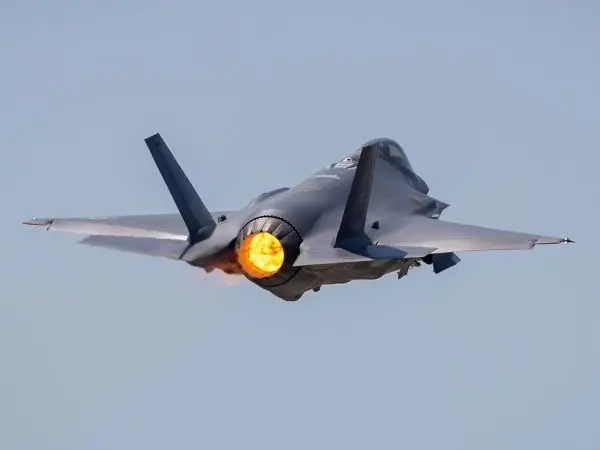)
China may have gained access to US's classified F-35 jets; parts meant for repairs diverted to Hong Kong, sparking Pentagon inquiry
)
NASA research plane reaches 61,000 feet over Panama
)
Godfather of AI Geoffrey Hinton gives US lawmakers a one-year warning on AI
)
Shivakumar attends 79th Kalyana Karnataka Utsav in Kalaburagi
)
Trump signs Russia sanctions law: India faces fresh 100% tariff threat over Russian oil
)
Brigitte Bardot’s private collection set for Paris auction; key items and prices revealed
)
Why Ranveer Singh’s Dhurandhar missed India’s Oscar entry; FFI jury member reveals what happened
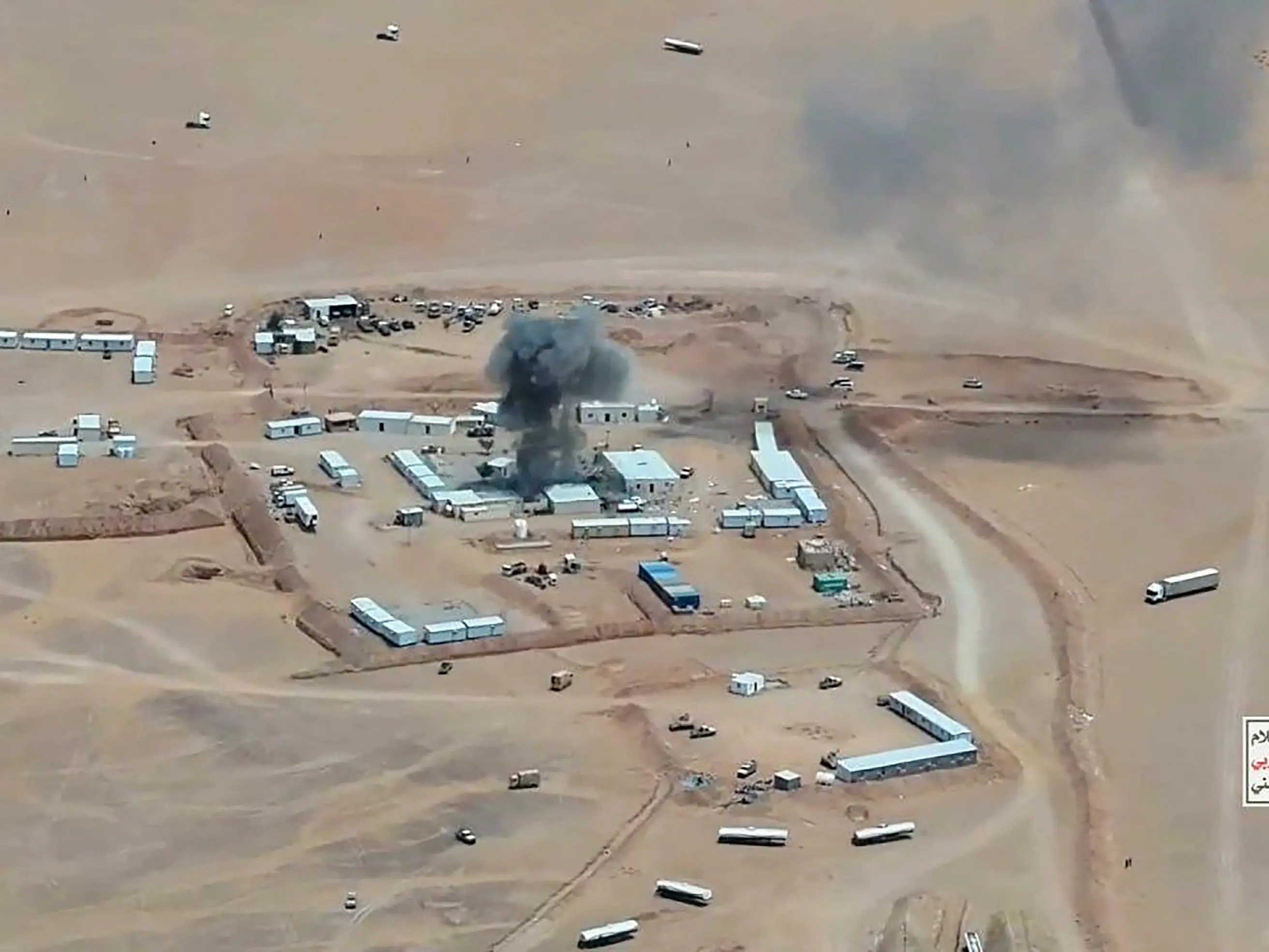)
‘Will go to any extent’: Pakistan vows to defend Saudi Arabia amid Houthi attacks
)
The Verdict | When precision fails: US commits war crime in Minab school strike, UN finds
)
Trump signs Russia sanctions bill into law, targets Moscow’s energy sector
&im=FitAndFill=(700,400))
New Friday OTT releases (September 18, 2026): Lust Stories 3, You+Me, Best of the Best- 8 new titles coming on Netflix, Prime Video and more
)
Fast bowler Brydon Carse faces no charges over Derby nightclub incident
)
Flying cars in UAE: Ras Al Khaimah signs deal with Chinese company to test new transport
)
Africa is splitting, and a lot sooner than estimated, giving way to a new ocean
)
'Gangsta' crab shoves knife blade at man and his dog in Florida - Watch
)
Trump bans CNN, MS NOW and Politico from White House over ‘FAKE NEWS’
)
Trump 2.0: Dark days ahead for America’s ‘imperial presidency’
)
Trump's Greenland dream comes true? POTUS announces 'Infinite Life' deal with Denmark, claims permanent US control
)
Drone strikes cooling tower at Russia's Kursk Nuclear Plant, IAEA confirms
)
Who is Khalilur Rahman? All you need to know about 81st UN General Assembly President
)
IIT Bombay student dies by suicide, was caught seeking AI help during exams
&im=FitAndFill=(700,400))
Meet top 5 bowlers in latest ICC T20I rankings
)
Indian Cinema bets big on mythology, brings ancient stories to modern audiences
)
Ukraine plans record $109 bn defence spending, nearly two thirds of budget amid Russia war
)
Russia holds first parliamentary elections since the beginning of the Ukraine war
&im=FitAndFill=(700,400))
Meet top 5 Indian batters with fastest T20I centuries
Frustration among exporters and delayed regulations
Industry insiders have expressed growing frustration over the delays. Sean Stein, president of the US-China Business Council, noted that many sectors are seeing no movement on their license applications, including semiconductor manufacturing equipment valued at billions of dollars. As the delays persist, he warned that Chinese companies are turning to alternative suppliers, threatening to erode US market share.
Some companies have also reported delays in getting approvals for exports to other regions, such as Latin America. Jim Anzalone, president of Compliance Assurance, a trade consultancy, stated that he has experienced delays in exporting sensors, radars, and sonar. While some exports to allied countries continue to be processed, the overall situation has raised alarms.
The Commerce Department has also delayed the publication of several important regulatory changes. In May, the agency announced it would rescind a Biden administration rule restricting where AI chips can be exported but has yet to follow through with that change. Other regulatory updates, such as one expanding export restrictions to subsidiaries of banned companies, remain unpublished.
Staff turnover has also exacerbated the crisis. Important vacancies, such as export control officers based in China, have yet to be filled, and key staff members have resigned, including Dan Clutch, the acting director of the BIS Office of Export Enforcement.