U.S. antitrust trial: Google CEO Sundar Pichai defends default search status

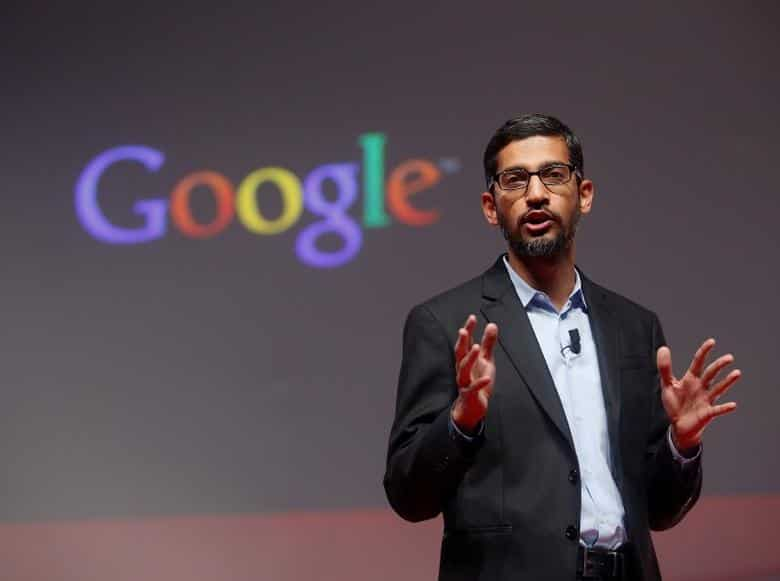
Google CEO Sundar Pichai
Google CEO Sundar Pichai appeared before the U.S. antitrust trial on Monday and conceded the significance of making Google the default search engine on various devices to retain user loyalty. This admission is central to the ongoing antitrust case, which questions Google's multi-billion-dollar payments to secure its default status on laptops and smartphones.
Google initiated its practice of paying for default status on devices in 2005, closely monitoring compliance. During the trial, it was revealed that the company expressed concerns to Apple regarding its Safari browser directing specific, particularly profitable queries to companies like Amazon.com. "We were obviously doing the deal for default placement," Reuters quoted Pichai as saying.
Under cross-examination, Pichai acknowledged the value of Google's annual payments for default status, saying, "We definitely see value."
The U.S. government's case revolves around whether Google engaged in illegal practices to maintain its dominance in online search and search advertising. If the government prevails in the case, Google might be required to discontinue certain business practices that have contributed to its market leadership.
During Pichai's testimony, instances were presented where Google exerted pressure on Apple, wireless companies, and smartphone manufacturers to feature its search engine as the default in return for revenue-sharing agreements. Pichai mentioned, "We pay for preload exclusivity on a device-by-device basis."
A 2007 discussion among Google executives, including Pichai before his tenure as CEO, was brought up during the trial. The conversation concerned an Apple request to allow users to choose their search engine on a new version of the Safari browser. At that time, it was noted that 75 per cent of people do not alter default settings, underscoring the strong impact of defaults.
Pichai also used the trial as an opportunity to comment on Microsoft's Internet Explorer, a rival browser. He remarked that the browser market had stagnated before Google introduced its Chrome browser, which competes with Microsoft's product. Pichai stated that Microsoft had little incentive to enhance its browser, while Chrome represented a significant improvement when it was launched in 2008.
Google's dominance in the search field positions it as a major player in the lucrative advertising market, which constitutes its primary revenue source. Google's argument throughout the trial has been that dissatisfied users have the freedom to switch to alternative search providers if they wish. The company has also defended the legality of its revenue-sharing agreements and emphasised its substantial investments in maintaining competitiveness in its search and advertising businesses.
During the cross-examination, the Justice Department probed Pichai about allegations that Google executives incorrectly marked sensitive documents as attorney-client privileged and regularly deleted instant messages without considering whether they should be retained as part of litigation. Pichai responded, "This is not an area I was focused on."
(Inputs from Reuters)
WATCH WION LIVE HERE